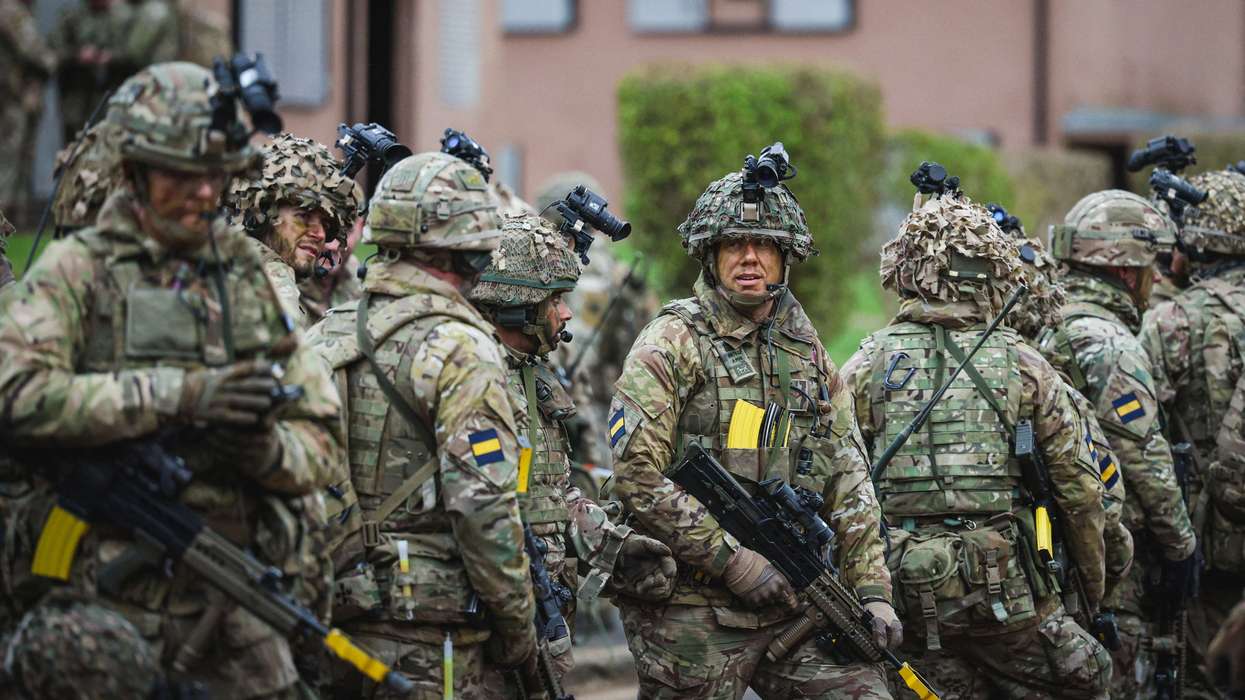

BRITISH military veterans aged up to 65 may be called back into service under new plans announced by the government on Thursday, as part of efforts to prepare for possible conflict amid what it described as “global threats”.
The move is included in proposed legislation aimed at expanding the UK’s “strategic reserve”, a pool of former service personnel and reservists who could be recalled during a crisis.
At present, recall liability for non-officer veterans in the British Army and the Royal Air Force ends either 18 years after discharge or when they reach the age of 55, whichever comes first.
For non-officer veterans from the Royal Navy and Royal Marines, the current limit is six years after discharge or age 55. This will be extended to 18 years after discharge to align with the other services.
The changes are set out in the Armed Forces Bill, which was introduced to Parliament on Thursday and is expected to come into effect from spring 2027, according to a Ministry of Defence statement.
The Ministry said the new rules will not apply automatically to those who have already left the military unless they choose to opt in.
“The Bill expands the reserve pool, allowing the most experienced volunteer reservists to step up and strengthen UK readiness as global threats continue to grow,” the Ministry of Defence said in a post on X.
The legislation will also lower the threshold for recalling reservists so they can be mobilised for “warlike preparations”. Currently, reservists can only be called up in cases of “national danger, great emergency or attack on the UK”.
“As the threat to our nation grows, we must ensure our Armed Forces can draw on the numbers and skills required to meet it,” Lieutenant General Paul Griffiths said in the Ministry’s statement.
“These reforms will allow us to mobilise that talent rapidly when it matters most, strengthening our readiness and aligning with a similar approach many NATO forces are taking to bolster their own resilience.”
The Ministry of Defence said around 95,000 people are estimated to be liable for recall as part of the strategic reserve.
The announcement comes as the UK seeks to strengthen its military capabilities and force size amid growing security concerns, particularly related to Russia.
In December, Britain’s armed forces chief Richard Knighton called on the country’s “sons and daughters” to be “ready to fight” in response to rising threats, including from Russia.
(With inputs from agencies)