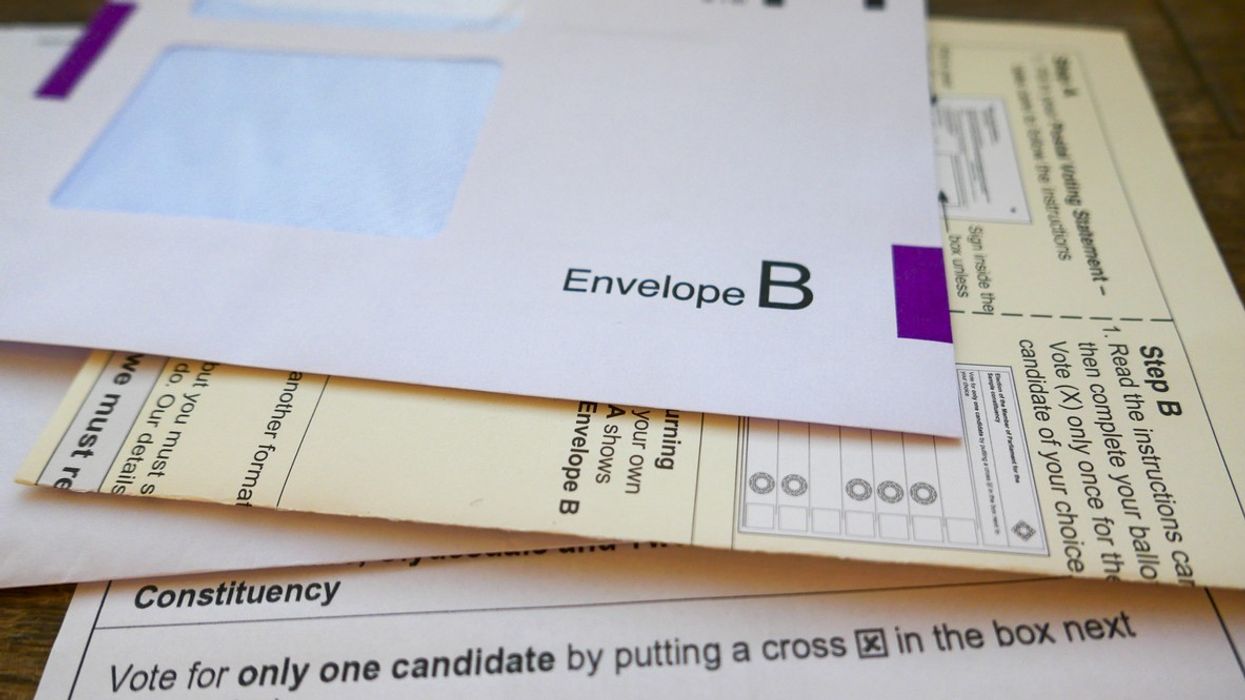

The delays in the delivery of postal ballots to the voters have evoked widespread concern as thousands fear they may not be able to cast their vote in the July 4 general elections.
The Telegraph claims that voters in 91 constituencies, including those of Cabinet ministers, have raised concerns about their ballots failing to arrive. They include 76 in England, 12 in Scotland and three in Wales.
There are several factors behind the delays, including the short turnaround time for councils to process applications, problems with printers and issues with Royal Mail deliveries.
Postal affairs minister Kevin Hollinrake criticised Royal Mail for failing to anticipate the demand, saying: “We urge Royal Mail to do all they can to make sure that postal votes get to the right people at the right time, and time is completely of the essence now."
He said the Royal Mail had a resourcing issue, but it has been sorted. The minister wants them to ensure that postal votes don't get held up at sorting offices.
No backlog: Royal Mail
But Royal Mail said it is delivering postal votes as soon as they arrive in its network - and has called for a review of how the printing and administration of postal votes is handled, Sky News reports.
A Royal Mail spokesman claimed they have no backlog of postal votes and their specialist elections team is working closely with local authorities for timely delivery of ballots to voters.
Cabinet ministers Kemi Badenoch, Grant Shapps and James Cleverly have raised concerns about postal vote delays in their constituencies.
In Scotland, schools closed for the summer holidays on Friday, so many families have already left the country. Many candidates fear these voters may not be able to vote and this could cost them their seats.
First minister John Swinney attacked the Sunak government for announcing election dates without considering the term dates of Scottish schools.
However, the prime minister’s official spokesman played down the issue saying they were “aware of some concerns” but denying the delays could affect results in marginal seats.
Rising popularity
An estimated 10 million people are thought to have opted to cast their ballot by post this year, accounting for between 20 and 25 per cent of the vote.
Postal voting was introduced for UK elections in 2001, and has increased in popularity from 4.9 per cent to 21 per cent of votes – 6.7 million – in 2019.
This rapid increase puts pressure on an already complex process and overburdened system.
British citizens living abroad are worried that there may not be enough time to guarantee the delivery of their votes, The Guardian reports.
Bruce Darrington, who is the chair of the British Overseas Voters Forum and lives in Bangkok, fears that many postal votes may not reach the UK in time.