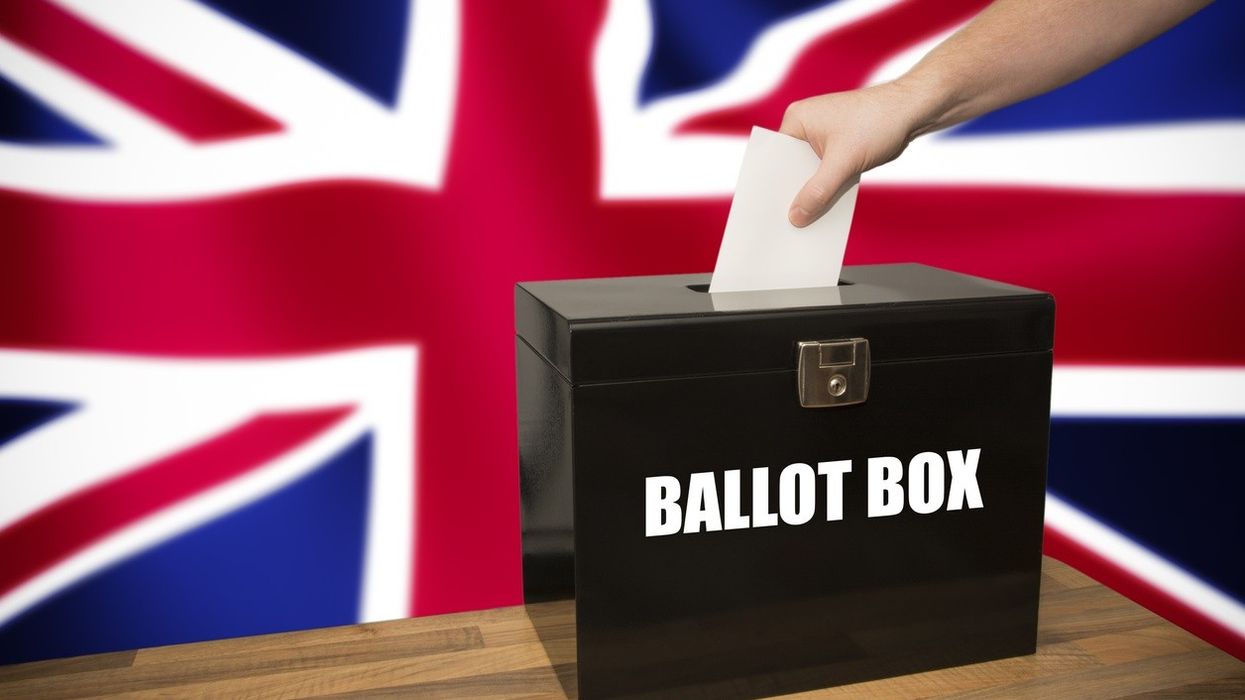

An analysis by polling expert Sir John Curtice shows that the trust and confidence in the UK's politics and election system is at its lowest and needs improvement, according to media reports.
In his report for the National Centre for Social Research (NatCen), based on a survey done between September 12 and October 31 last year, 45 per cent of respondents never trust governments to put the needs of the country before party.
The report found that nearly half of those who voted to leave the European Union are now disillusioned with UK politics.
The percentage of Leave voters in the Brexit referendum who no longer trust governments has risen to 48 per cent, up from 25 per cent in 2020.
Nearly six out of ten (58 per cent) respondents said they never trust politicians of any party to “tell the truth when they are in a tight corner”. This is a 19-point increase from 2020.
The lack of trust is very high among those battling high costs of living (75 per cent), when compared with those who are economically better off (49 per cent).
This low level of confidence has boosted support for constitutional change, including a relook at the first-past-the-post system, the survey found.
More than half of voters (53 per cent) think the system of voting should be changed to help smaller parties get a fair share of MPs.
Nearly nine out of ten (86 per cent) respondents said they were dissatisfied with the NHS and needs improvement.





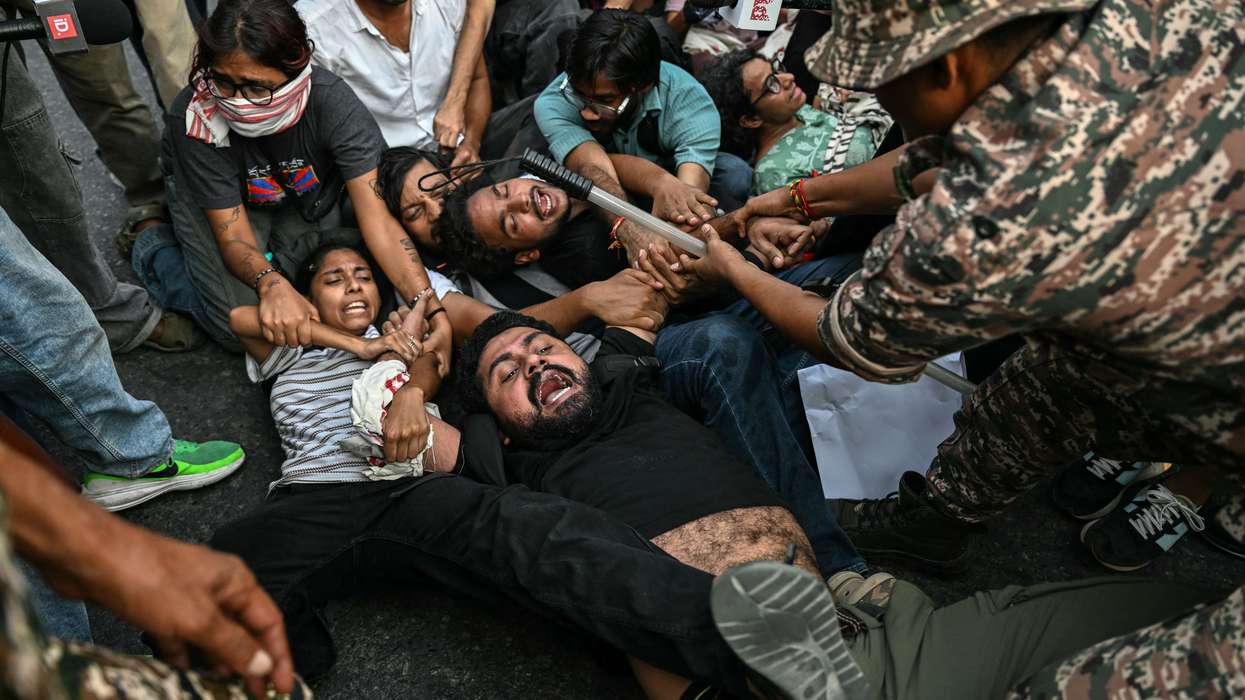
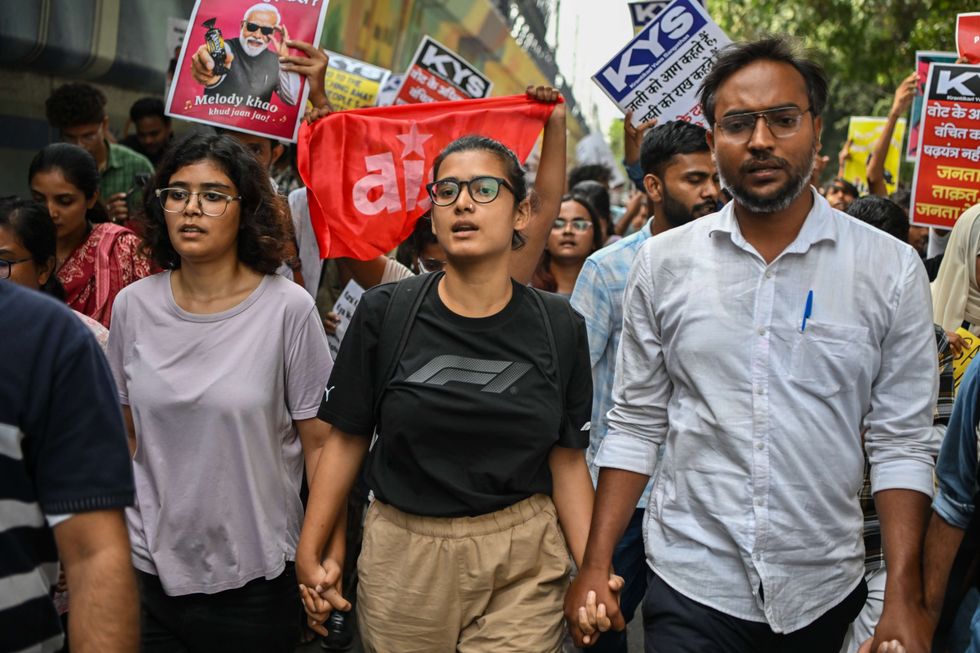 All India Students Association president Neha Bora, wearing a black shirt, takes part in a march during a protest on October 11, 2026 in New Delhi,.Getty
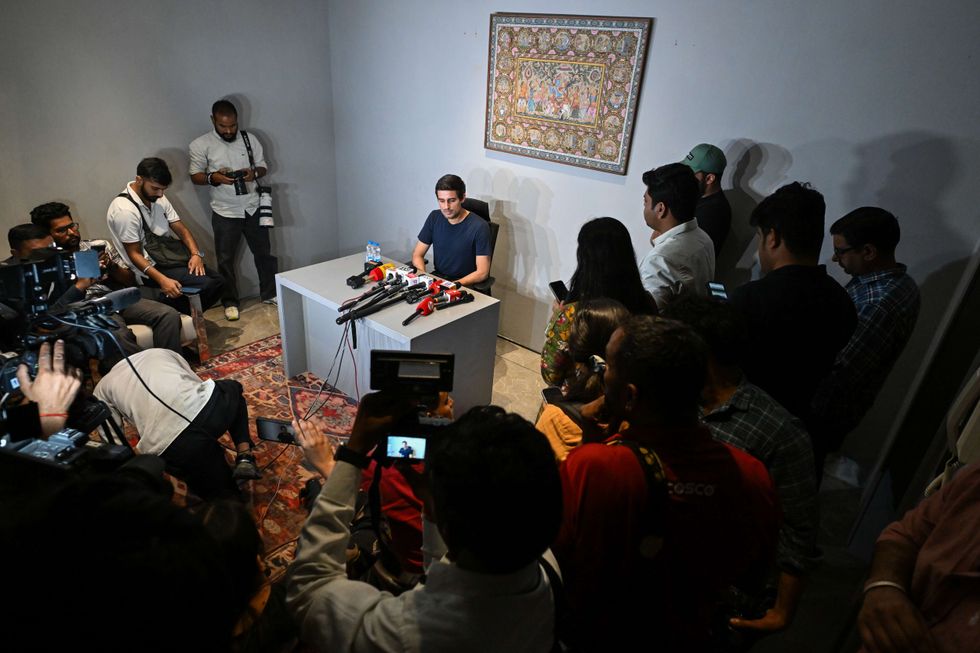 Youtuber Dhruv Rathee speaks during a press conference following his release from police detention on October 11, 2026 in New Delhi.Getty
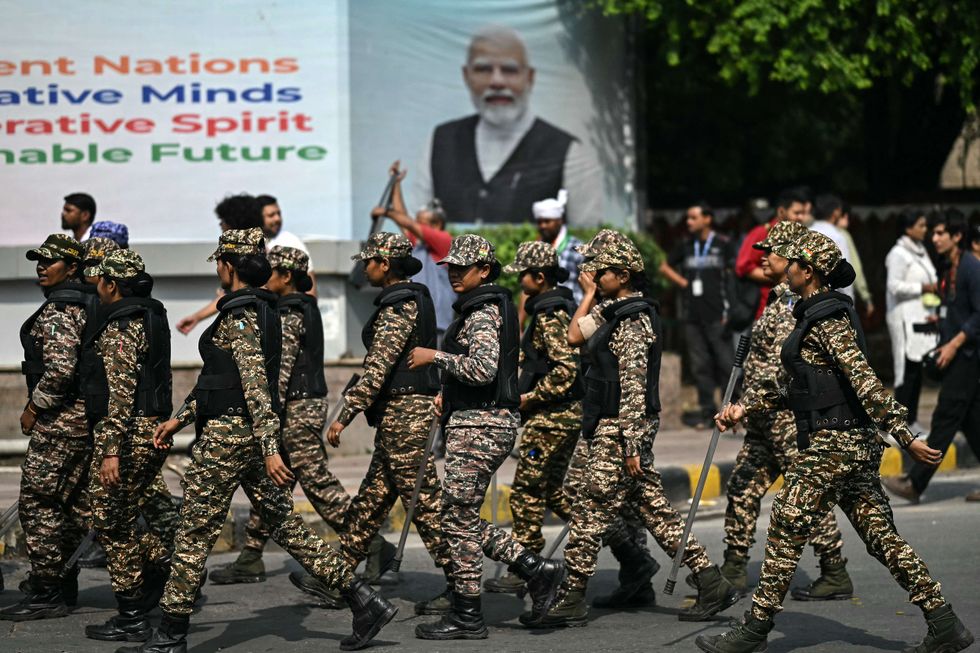 Security personnel walk past a portrait of Narendra Modi during a protest by the Congress party supporters demanding the resignation of India's Chief Election Commissioner Gyanesh Kumar.Getty

