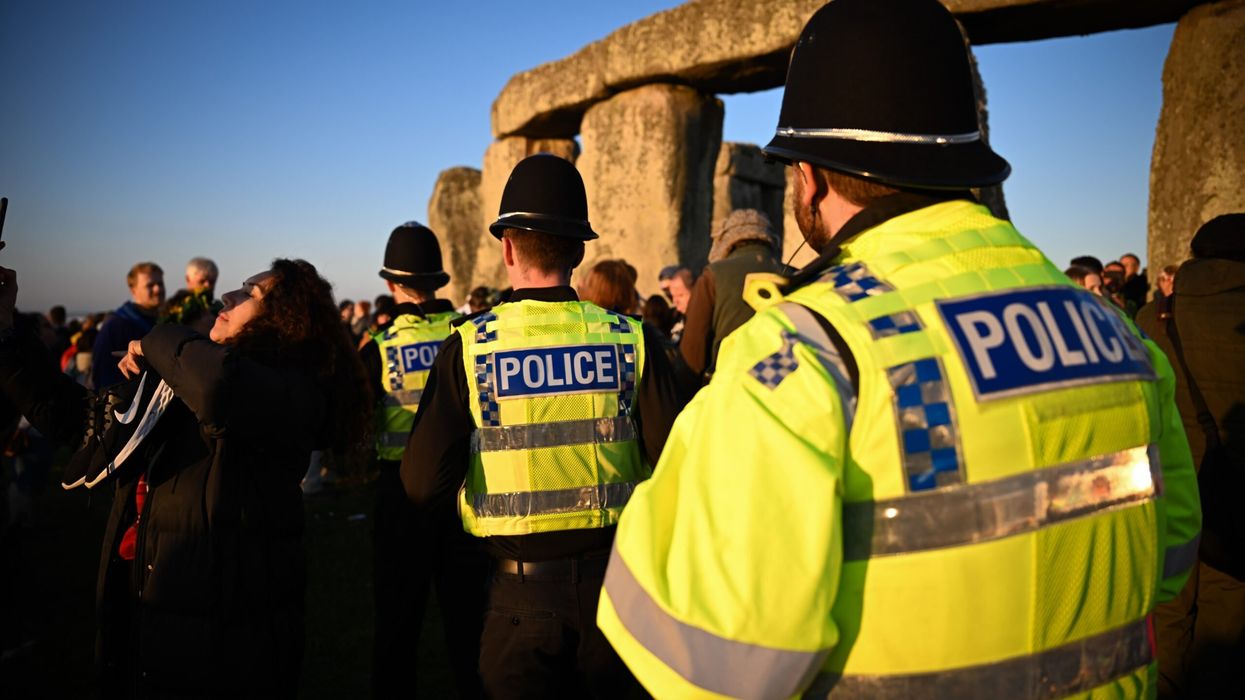

POLICING in the UK is grappling with a significant race crisis as the National Black Police Association (NBPA) has withdrawn support for the chief constables’ primary plan to eliminate discrimination within the force, reported the Guardian.
The NBPA, representing thousands of minority ethnic officers, accused police leaders of failing to honour reform promises and fostering a “toxic” environment that hampers the careers of black and Asian officers.
In response, police chiefs are organising urgent discussions to prevent a loss of credibility on race issues.
A senior minority ethnic officer, who recently left the force, criticised the lack of commitment to change among his peers.
The National Police Chiefs’ Council (NPCC) introduced a race action plan for England and Wales in 2020, aiming to address longstanding discrimination and excessive use of force against black communities. This initiative was a reaction to the global outcry following George Floyd’s murder by a police officer in the US.
The NBPA president, Inspector Andy George, said, “We believe that the working environment is toxic and the views of black people and civil society organisations are neither listened to nor valued. This is not an environment that the NBPA can endorse.”
The NBPA will soon meet to decide if their boycott will be permanent. George emphasised that the current national race action plan is unsustainable in its existing form.
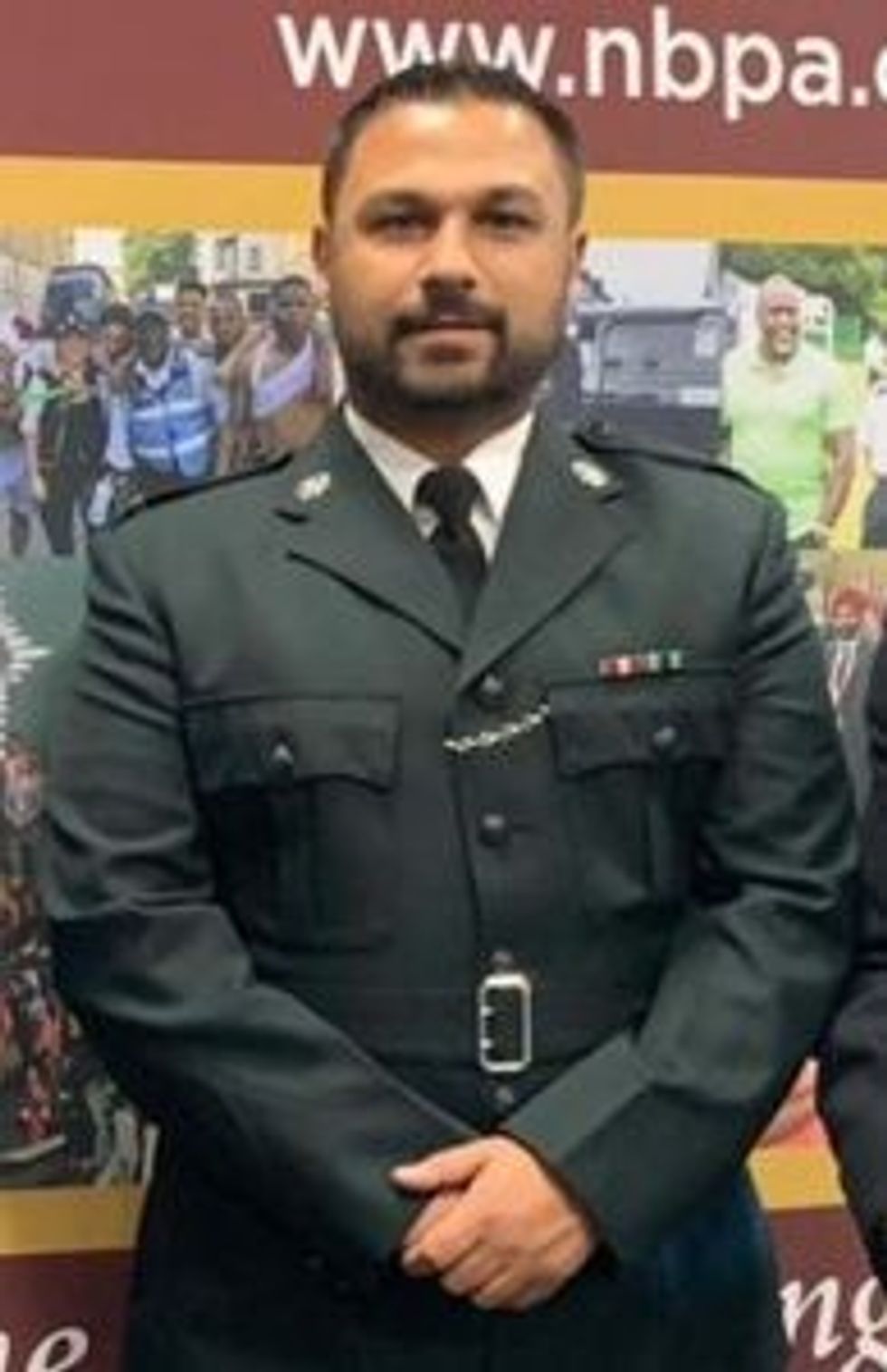 Andy George
Over recent weeks, the NBPA has struggled with participating in a plan they see as flawed while risking losing their influence on potential reforms. George pointed out an increase in support requests from members facing racism and a decline in positive experiences for black people in policing.
The NBPA also accused some police chiefs of creating their own minority ethnic officer groups to undermine communities and stifle criticism. An employment tribunal involving an officer who worked on the chiefs’ plan is set to begin next week.
The former Metropolitan Police assistant commissioner Neil Basu, previously the UK’s top counter-terrorism officer, described the situation as “disastrous” for policing. He pointed out that communities will be dismayed by unfulfilled promises.
“This is a disastrous moment for policing. The NBPA represents thousands of officers and staff across the country. Communities will be looking on aghast at the promises that have not been kept. Chief constables have had many opportunities to deliver a credible plan and have chosen not to do so,” he was quoted as saying.
Basu retired in 2022 due to colleagues’ lack of commitment to race reforms and is now advising the Labour party. He expressed hope that a new government might prioritise these crucial reforms.
The NBPA has called for the removal of chiefs from leading reform efforts and suggested the Home Office might need to take control. They stressed the need for a national race action plan with the authority to enforce improvements across all police services.
Gavin Stephens, chair of the NPCC and leader of the race action plan, invited the NBPA to discuss their concerns. “There has been a renewed sense of purpose and direction under the new leadership of the plan since September 2023 and we plan on publishing our first-ever progress report on the plan in a matter of weeks.
“This will give people a sense of what we have achieved and our future direction,” he said. “What is not in question is that we will continue to listen to and seek the views of the NBPA to ensure the plan delivers for their members and black communities.”