
- Inflation climbed to 3.3 per cent in March, driven largely by fuel and travel costs
- Energy-linked risks could push inflation closer to 4 per cent in the coming months
- Escalation in West Asia may strain UK borrowing and household finances further
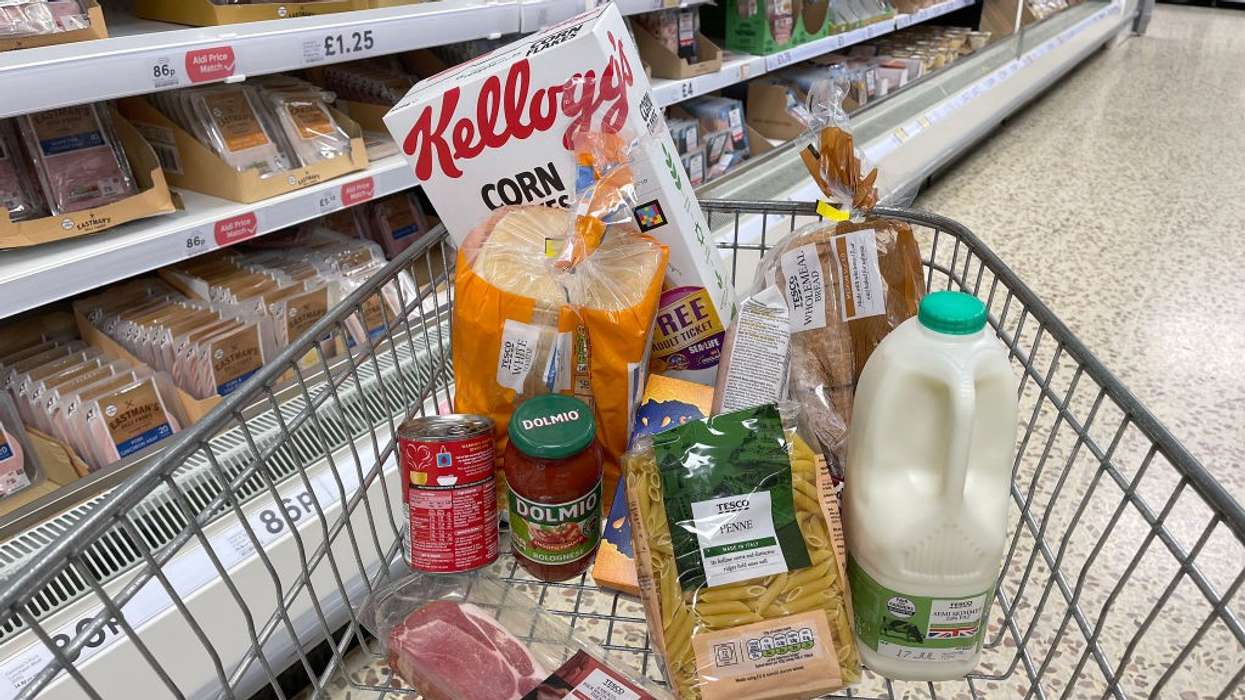
UK inflation has started to tick up again, and the timing is hard to ignore. Consumer price inflation rose to 3.3 per cent in March, up from 3.0 per cent in February, according to official data released on April 22. That puts it right where economists had expected, but the reasons behind it are drawing more attention than the number itself.
Higher petrol and diesel prices did most of the work, alongside a jump in air fares. These increases came just as the fallout from the Iran conflict began feeding into global energy markets. The UK inflation rate, already among the highest in the G7 in recent years, now looks set to stay above the Bank of England’s 2 per cent target for longer than previously thought.
Before tensions escalated on February 28, the central bank had expected inflation to settle near target levels by April. That outlook has since shifted. The Bank has revised its forecasts upwards, suggesting inflation could approach 3.5 per cent by mid-2026. Meanwhile, the International Monetary Fund has gone further, predicting a peak closer to 4 per cent in the coming months.
Even so, policymakers are not rushing into action. Rate-setters have indicated it is still unclear whether this spike will translate into deeper, sustained inflation, especially with a weak jobs market limiting wage growth and spending power. Markets are split, pricing in one or two small rate hikes this year, while many economists expect no change through 2026.
The bigger threat may be outside the UK
What is unfolding goes beyond inflation prints. The broader concern is how far the conflict’s economic impact could stretch. The UK’s reliance on gas — which makes up around 62 per cent of household energy use — leaves it particularly exposed.
According to analysis by the Resolution Foundation, a “severe but plausible scenario” could push government borrowing up by £16 billion annually by 2029–30. That would wipe out a significant portion of Chancellor Rachel Reeves’ £21.7 billion fiscal buffer set aside in the autumn budget.
There are already early signs of strain. Petrol prices have surged by around 20 per cent, while household energy bills are expected to rise by as much as 20 per cent in July. For homeowners, the pressure is building quietly — first-time buyers coming off fixed-rate mortgages are estimated to be paying about £100 more per month since the conflict began.
The think tank has cautioned against broad, unfunded support measures. Borrowing an additional £20 billion to shield households could push mortgage rates up by roughly 0.4 percentage points, it reportedly said.
Interestingly, the economic shock so far remains less severe than the one triggered by Russia’s invasion of Ukraine. Gas prices have risen, but nowhere near the dramatic spike seen earlier this decade. Still, the UK appears more sensitive to these shifts than its peers.
Both the IMF and the Organisation for Economic Co-operation and Development have downgraded UK growth forecasts by 0.5 percentage points — the steepest cut among G7 economies.
Markets steady, but uncertainty lingers
Financial markets are, for now, holding steady. London’s FTSE 100 dipped slightly by 0.1 per cent in early trading, while major European indices posted modest gains. Brent crude has eased marginally to $98.03 a barrel, offering some temporary relief.
But the geopolitical backdrop remains tense. While Donald Trump has extended a ceasefire between the US and Iran, the US blockade of Iranian ports continues, and the Strait of Hormuz remains closed — a key choke point for global oil supply.
There are also reports of fresh maritime incidents near Oman, adding to the sense that the situation could still escalate.
For now, the UK economy is absorbing the first wave of impact. Whether this remains a short-lived bump or turns into something more persistent will depend less on domestic policy — and more on how events unfold far beyond its borders.