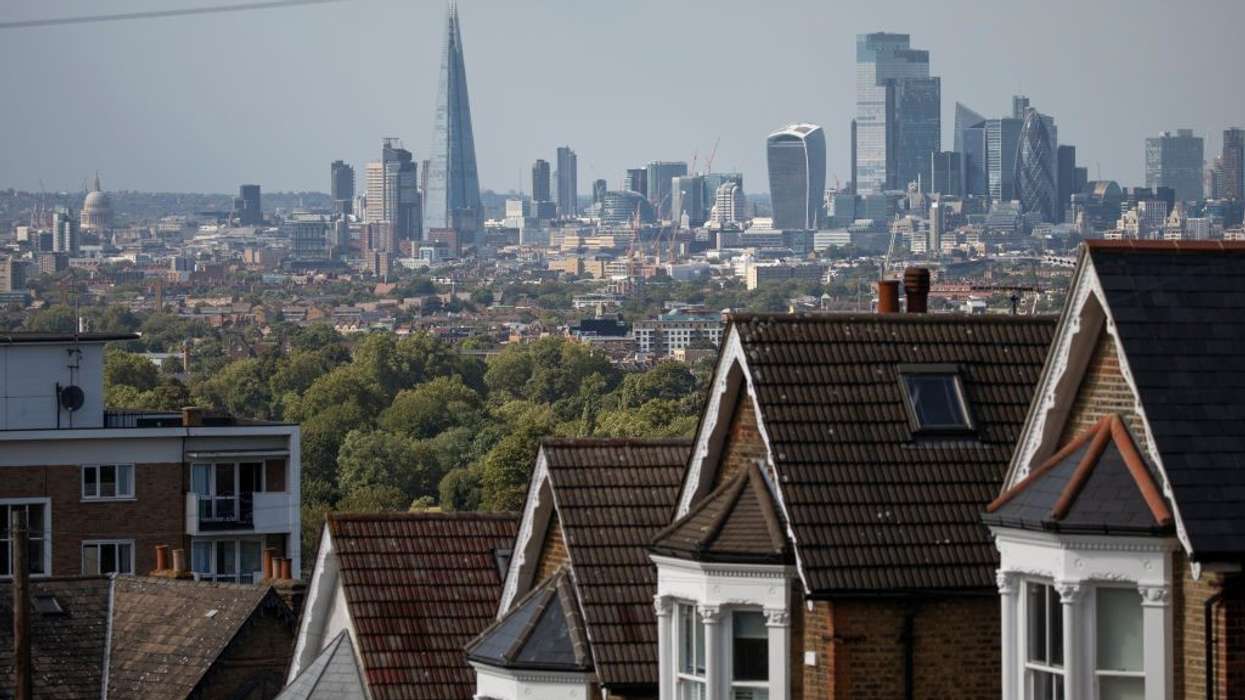

- UK house prices rose just 0.1 per cent year-on-year in July, the slowest growth since November 2023.
- Higher mortgage rates and economic uncertainty continue to weigh on buyer confidence.
- Northern Ireland remained the strongest-performing housing market, while London and the South East recorded annual price falls.
UK house price growth slowed sharply in July as higher mortgage rates and affordability pressures continued to cool buyer activity, according to the latest Lloyds House Price Index.
The average UK home was valued at £299,253 in July, down £143 from the previous month after a modest 0.2 per cent rise in June. Annual house price growth eased to 0.1 per cent, marking the weakest increase since November 2023.
The figures suggest the housing market is struggling to regain momentum as buyers remain cautious about borrowing costs. Mortgage rates, which had eased earlier in the summer, have moved higher again following renewed uncertainty in the Middle East, making home loans more expensive and reducing affordability for many prospective buyers.
Amanda Bryden, head of mortgages at Lloyds, reportedly said affordability remained one of the biggest barriers facing buyers. She added, as quoted in a news report, that while housing demand had broadly held up, market activity continued to respond quickly to changes in mortgage rates.
Industry data also pointed to a modest recovery in mortgage approvals and completed property transactions during June after a sharper slowdown in May. However, higher borrowing costs and concerns over inflation continue to limit activity.
The Bank of England kept interest rates unchanged at 3.75 per cent for a fifth consecutive meeting in July but warned rates could rise if prolonged conflict in the Middle East keeps oil and gas prices elevated.
Ashley Webb, senior UK economist at Capital Economics, reportedly said the Lloyds figures reinforced similar findings from other house price indices, suggesting high mortgage rates continue to constrain both housing demand and price growth.
Anthony Codling, analyst at RBC Capital Markets, reportedly described the market as being in "suspended animation", with house prices remaining trapped within a narrow range as affordability pressures and persistently high mortgage rates continue to hold back stronger growth.
Lloyds expects both house prices and market activity to remain broadly stable for the rest of the year, although much will depend on the direction of mortgage rates and household confidence.
Regional divide widens
The latest figures show housing market performance continues to vary widely across the UK.
Northern Ireland remained the strongest-performing region, with average house prices rising 7.4 per cent over the year to £231,131. Scotland followed with annual growth of 3.6 per cent, taking average prices to £223,246, while Wales recorded a 1.6 per cent increase to £231,458.
Within England, the North East led regional growth with prices rising 2.8 per cent to £182,488, followed by the North West, where average prices increased 2.1 per cent to £247,836.
By contrast, higher-value markets continued to weaken. House prices in the South East fell 2 per cent to £381,146, while London recorded a 1.3 per cent annual decline, leaving the average property price at £533,930.
The slowdown is also being felt across the housebuilding sector. Persimmon reported a 13 per cent increase in first-half home completions to 5,189 properties but also noted softer buyer enquiries during July. Its shares fell after the update.
Taylor Wimpey has already warned that it expects the housing downturn to continue, cutting shareholder returns and reducing land acquisition targets alongside rivals Barratt Redrow and Berkeley. Housebuilders continue to argue that, alongside affordability challenges, the UK faces a long-term shortage of new homes.
The latest figures come as Prime Minister Andy Burnham has pledged what he described as the biggest council housebuilding programme since the post-war period, while England remains well behind its target of delivering 1.5 million new homes over five years. Estimates suggest the country is currently on course to fall short by 662,500 homes.