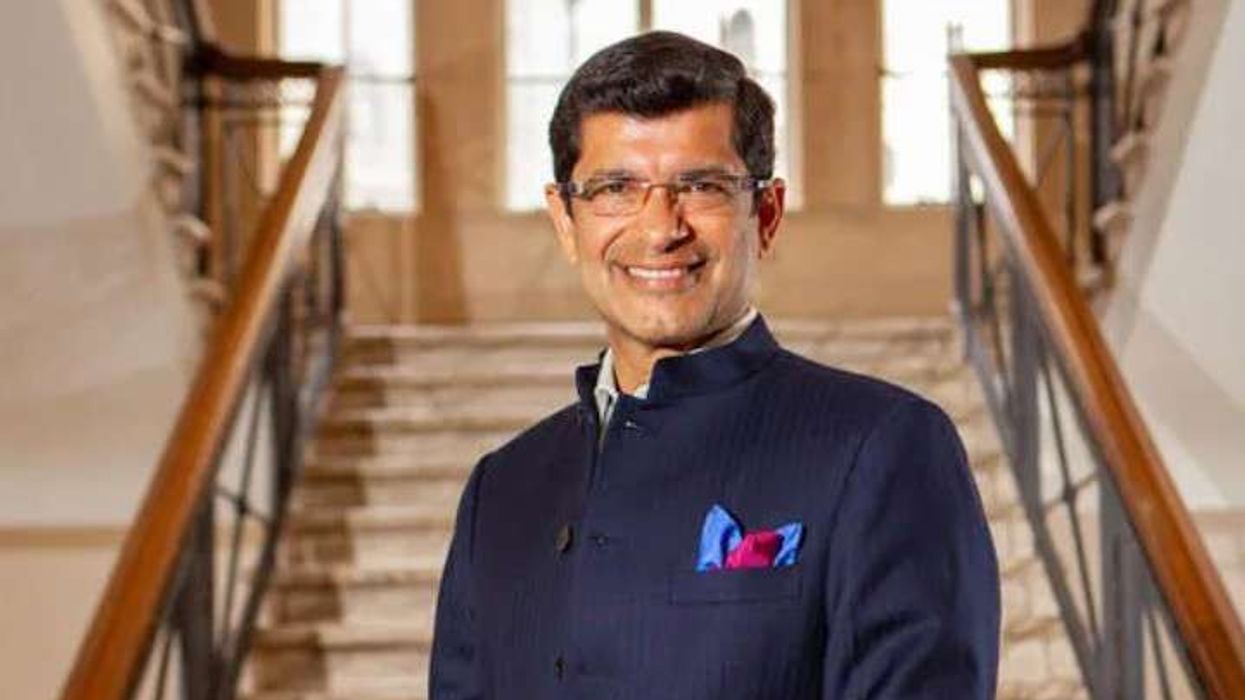

A UNIVERSITY degree in the UK is no longer a guaranteed route to social mobility, according to the vice-chancellor of King’s College London.
Prof Shitij Kapur told The Guardian that the expansion of higher education has created a surplus of graduates, meaning universities can no longer promise good jobs for all those who complete degrees. With nearly half of young people entering higher education, Kapur said a degree now offers an opportunity rather than certainty.
He said a degree should now be seen as a “visa” rather than a “passport” to social mobility, citing weaker graduate pay premiums and increased competition from artificial intelligence and graduates from other countries.
Kapur said competition for graduate jobs reflects both economic stagnation and the number of graduates, adding that employment outcomes now depend on factors such as the institution attended and the course studied.
The debate comes after prime minister Keir Starmer said in 2025 that the target for 50 per cent of young people to attend university was “not right for our times”, ending a goal set by Tony Blair in 1999. Starmer’s comments followed earlier remarks by Rishi Sunak criticising the same target.
Kapur referred to predictions by sociologist Martin Trow that mass participation in higher education would reduce the social status and earnings advantage of graduates while making degrees a necessity for participation in advanced society.
Data from the Department for Education show graduates in England still have higher employment and pay than non-graduates, though earnings for younger graduates have been flat for a decade. Kapur told The Guardian that slow economic growth and tuition fee policies have worsened pressures on students and universities.
He warned that restrictions on international students could harm universities and the wider economy, saying universities would be central to future productivity and technological growth.