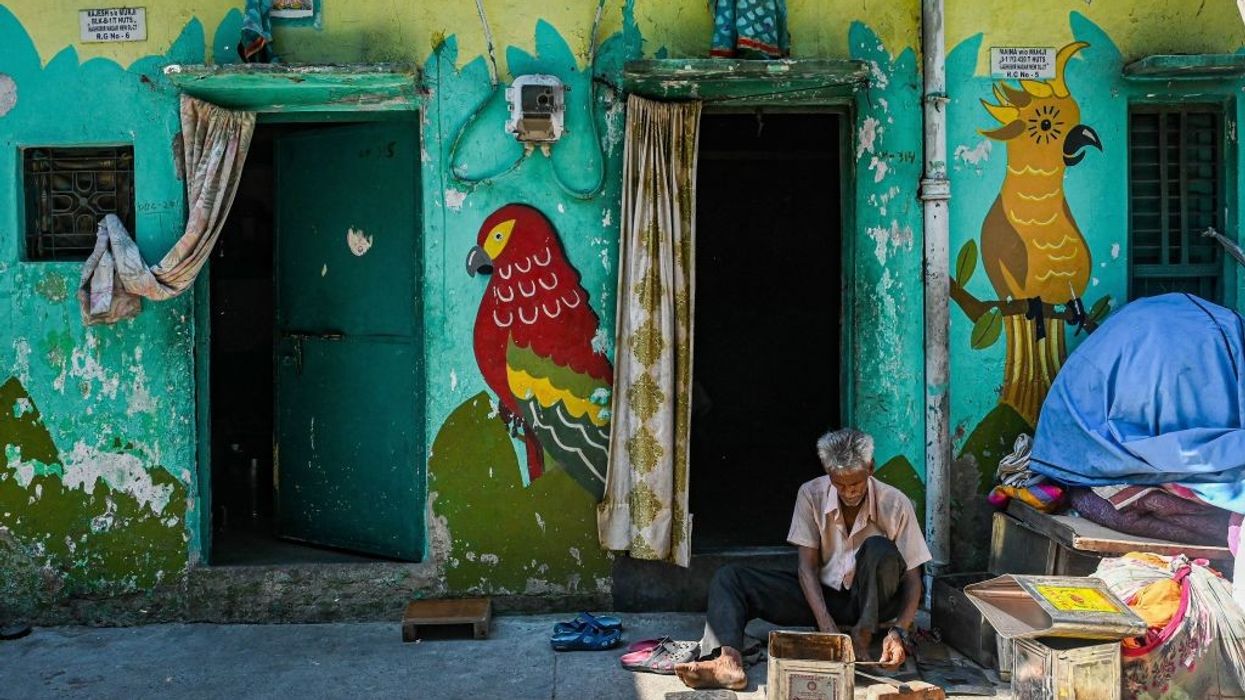
Britain's aid to India has failed to achieve the desired objectives of poverty reduction and inclusive growth due to a “lack of coherence”, a review has found.
The aid programme also did little to support Indian democracy and human rights despite “negative trends in these areas”, the Independent Commission for Aid Impact (ICAI) said.
Britain provided about £2.3 billion in aid to India between 2016 and 2021, including £441 million in bilateral aid and £1 billion in investments through British Investment International. But it was fragmented across activities and spending channels and there was no “compelling development rationale,” the aid watchdog said in its review published on Tuesday (14), calling for a sharper focus.
The ICAI gave the UK's model of development cooperation a score of amber-red.
Britain should focus its aid portfolio on a limited number of areas to make “India’s economic growth more inclusive and pro-poor,” the watchdog said.
“The UK should build on its emerging success story in climate finance and green infrastructure, looking for opportunities to combine technical assistance, research partnerships, development investments and multilateral partnerships for greater impact and value for money”.
India was one of the largest recipients of the UK’s aid in the decade before 2015 but it shrank after New Delhi stated that it no longer needed London’s aid. Yet the ICAI estimated that the UK sent around £1.9 billion of aid to India between 2016 and 2020.
ICAI chief commissioner Tamsyn Barton said, “while we appreciate that democracy and human rights in India is a sensitive area for the UK, we were surprised to find out that the UK had largely ceased supporting work at the local level.”
“Despite concerns about the model that has emerged in India, there are areas of strength to build on if the UK and India want to continue this partnership,” said Barton who led the review.
“The UK has provided innovative support on climate change and clean energy, showing the value of combining support for policy reforms with well-targeted development investments,” she said.
UK aid to India failed to support human rights, inclusive growth: Watchdog
Britain provided about £2.3 billion in aid to India between 2016 and 2021, including £441 million in bilateral aid and £1 billion in investments