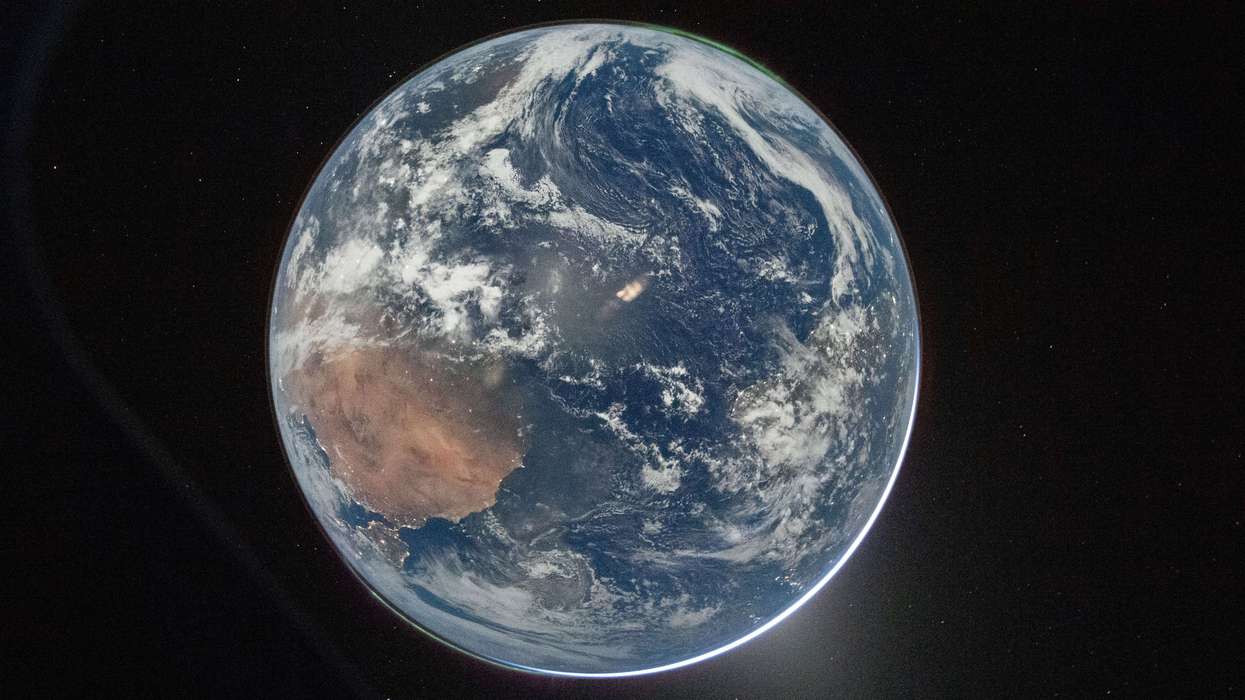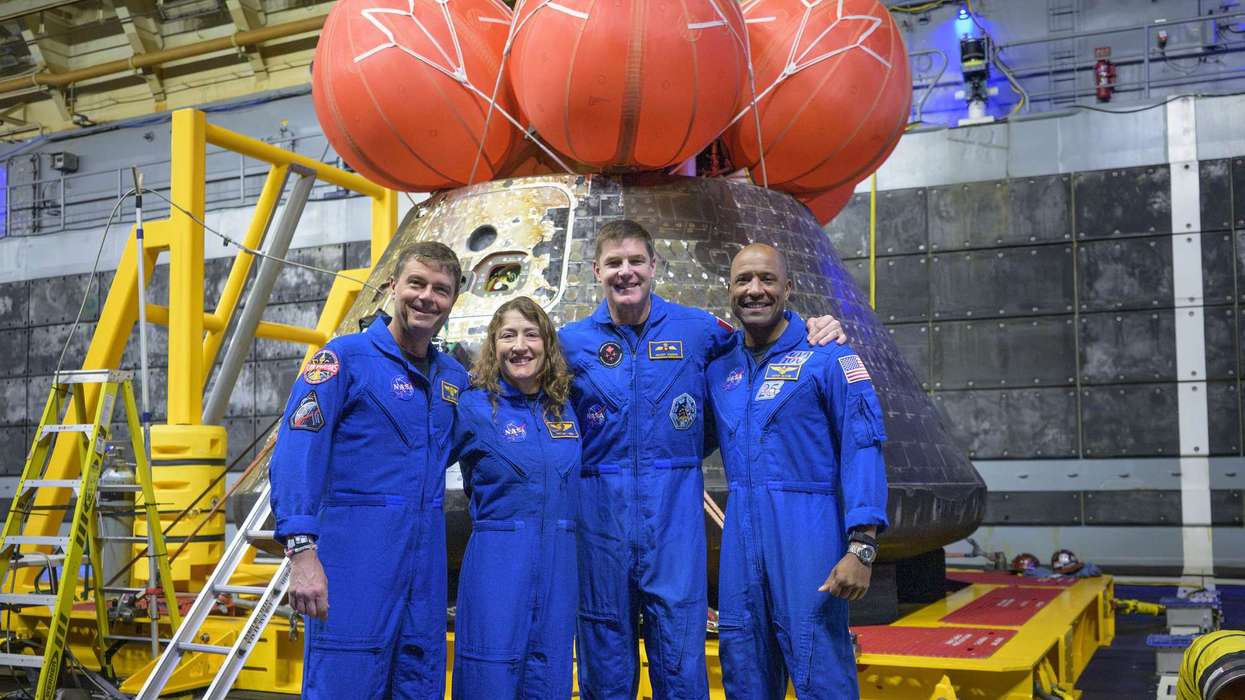

TO MOST people across the world, the US president Donald Trump represents the negative side of America. The positive is reflected in the stunning Artemis II moon mission.
Having logged on to the live streaming of the return of the four astronauts to Planet Earth, it was worth staying up late to witness the exhilarating drama unfold on television. It was gripping stuff to see the Orion spacecraft named Integrity emerge from the skies, and float down to the Pacific Ocean after the parachutes had opened. And then a raft was built round the capsule to give it stability so that the astronauts could be winched up by helicopter and flown to the deck of the waiting mother ship, the USS John P Murtha.
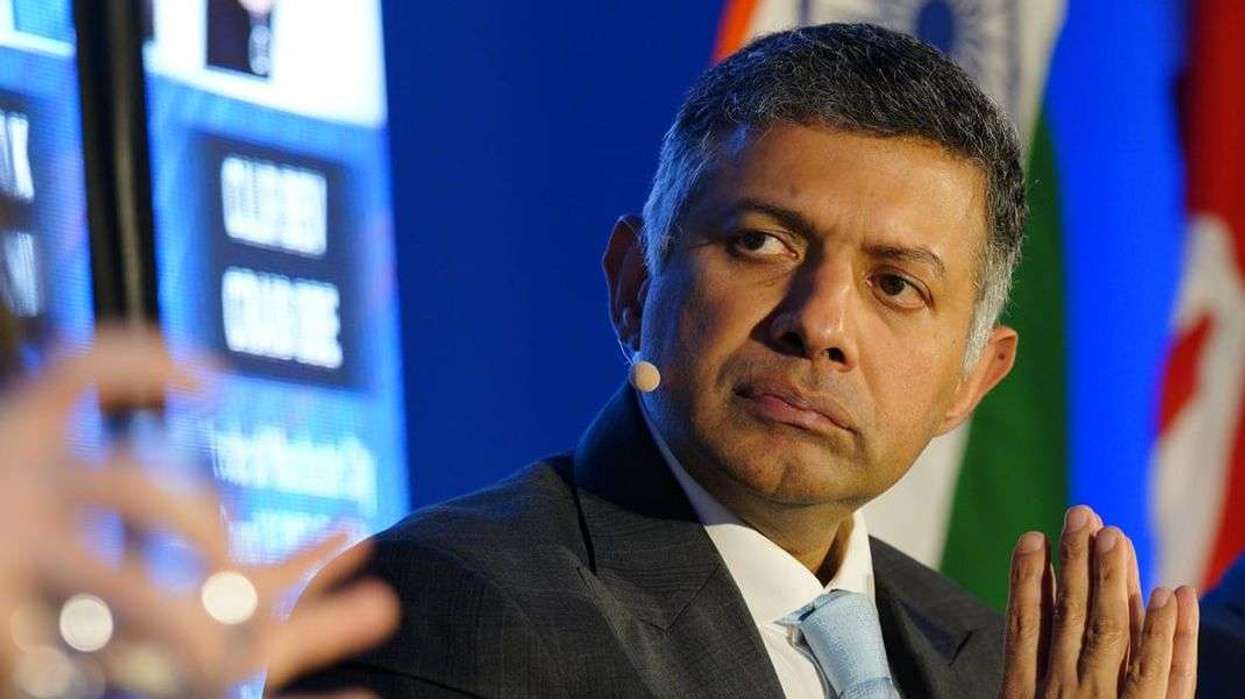
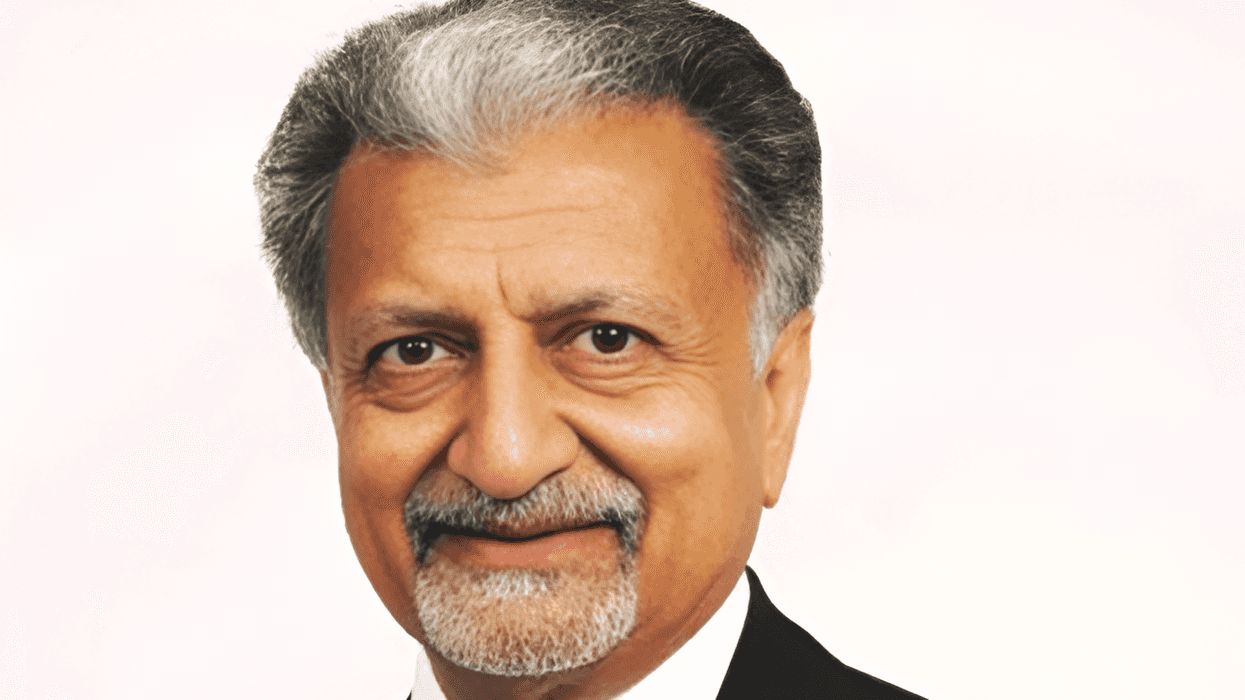
Viewers across the world were promised an interview with one of the key people in charge, “Ahmed Chattria”. Only when his name flashed up on the screen did I realise the interview was with Amit Kshatriya, the associate administrator of NASA.
The reason American science is so advanced is because the US has allowed in the most talented people from around the world.
Kshatriya was born in Brookfield, Wisconsin, the son of Indian immigrants to the US.
Another person interviewed on the deck of the ship was Liliana Villarreal, who was in charge of recovering the Orion spacecraft after its 695,000-mile journey. At one point its glowing heat shield, at a temperature of 2,760°C, was half as hot as the surface of the sun as it entered earth’s atmosphere at 30 times the speed of sound. It slowed down to 20mph, the speed limit routinely broken by motorists in south London,
“I was born in Colombia,” said Liliana, a trailblazing engineer who encouraged those who were interested “to come and work for NASA”.
The Nasa reporter on the ship, Megan Cruz, who happened to be a black woman, did an excellent job of avoiding both jargon and a triumphalist note, as she explained the recovery process. While her male colleague spoke of “extracting” the astronauts from the capsule, Megan described “the golden hour” as the sun set in the Pacific Ocean.
The scientific genius behind the moon mission has also allowed Trump to use his bunker buster bombs.