
AMERICAN military intervention in Iran has not always been successful. For example, when president Jimmy Carter sent in “Delta Force” – the American equivalent of Britain’s elite SAS – to try and rescue the hostages taken when the US embassy in Tehran was stormed by Iranian students, the whole venture ended in disaster.
The rescue mission was aborted after a US C-130 transport aircraft and a helicopter collided in the deserts of Iran.
I did a foolish thing at the time, which I certainly wouldn’t repeat today. Keen to find out exactly what had happened, I hired a light aircraft (and a willing pilot) at Mehrabad airport in Tehran and flew out to the far away crash site with the charred debris. The Iranians brought back the bodies of the Americans so that Sadegh Khakhali, the most erratic of the religious leaders, could convene a press conference in Tehran. He amused himself by saying one of the Americans had “two heads”. Anyway, the hostages were hastily dispersed across multiple locations, making any future rescue attempt even more difficult.
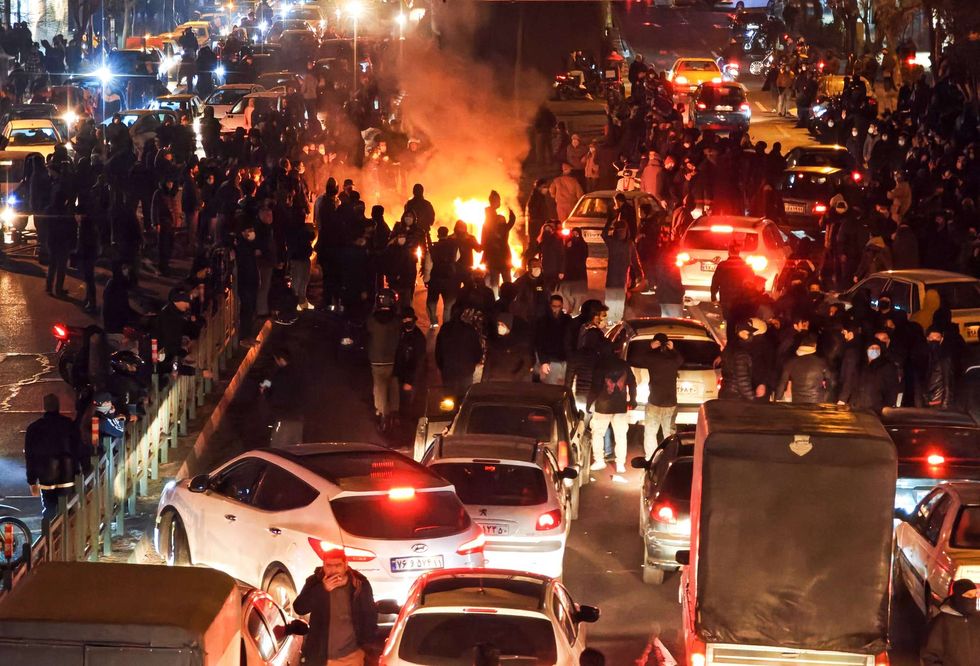 Protests continue across Iran as security forces crackdown on demonstrators.Getty Images
Despite the nationwide protests that Iran has just witnessed, the Islamic regime will not be toppled without outside help.
US president Donald Trump warned the regime: “If Iran shots [sic] and violently kills peaceful protesters, which is their custom, the United States of America will come to their rescue. We are locked and loaded and ready to go.”
This was followed by: “Iranian Patriots, KEEP PROTESTING – TAKE OVER YOUR INSTITUTIONS!!!... HELP IS ON ITS WAY.” He also said: “I have cancelled all meetings with Iranian officials until the senseless killing of protestors STOPS.”
The protesters were no match for the heavily armed IRGC (Islamic Republican Guard Corps), which was specifically created in the days of Ayatollah Khom-eini to guard the regime from the threats he had anticipated.
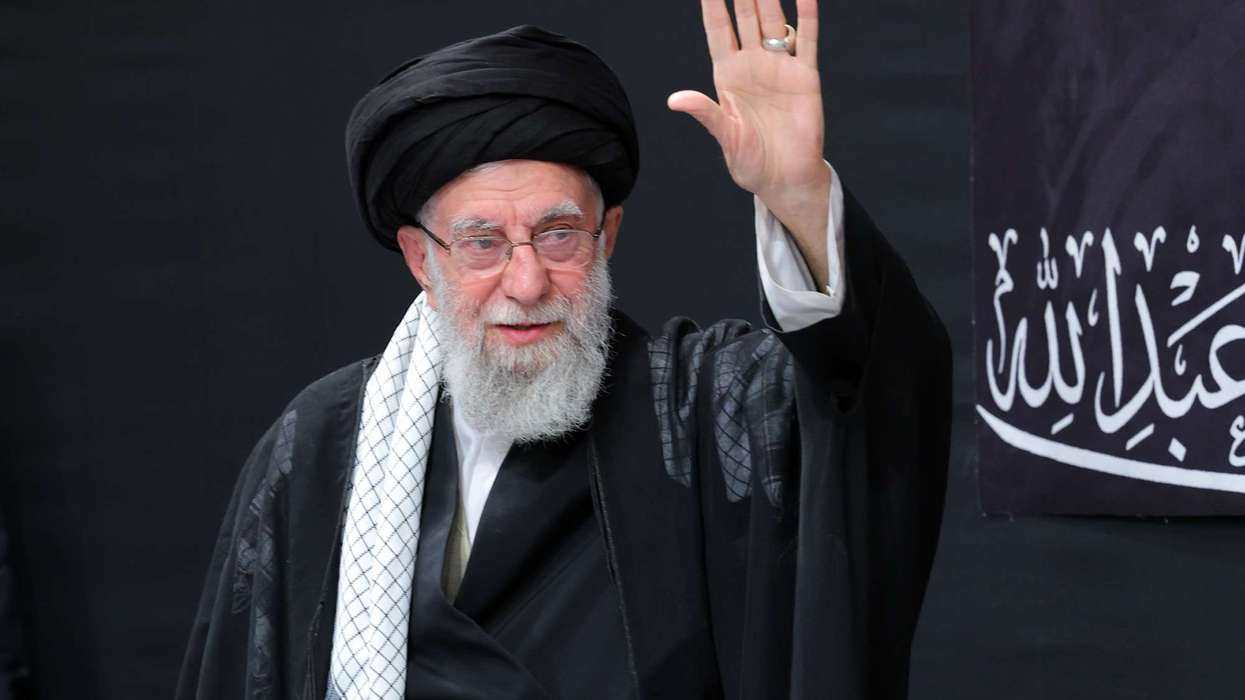
Khomeini’s successor as supreme leader, Ayatollah Khamenei, has confirmed “thousands” have died. Various sources put the toll at anything between 3,300 and 20,000. There have been images of distraught family members rummaging through body bags to try and discover the whereabouts of missing loved ones. I remember spending time in the Tehran morgue at midnight, during the prolonged Iran-Iraq war. There was a man with yellow gloves, of the kind used for washing up in Britain, piling the gladioli into buckets of water so that the flowers could be used again.
Tragically, violent death is all too familiar a way of life in Iranian morgues.
One can never be sure that Trump isn’t playing a double bluff, but he told reporters: “Iran cancelled the hanging of over 800 people.”
“And I greatly respect the fact that they cancelled,” he added.
Maybe Trump was willing to fight the regime down to the last Iranian, without involving the US military.
As a result, protesters feel betrayed, according to Time, which quoted a woman in Tehran: “I’ve lost all hope. Trump’s not going to do anything. Why should he? He doesn’t care about us.”
It is probable fewer people would have been killed had Trump not egged on the protesters.
The regime, which has survived, will almost certainly go ahead with the executions once it is confident Trump has decided against attacking Iran. It is the Islamic regime which is “locked and loaded”.
The regime will do everything it can to survive – and without military intervention from Trump, it might even have been strengthened.
But eliminating Khamenei, which must be one of the American options, will ensure he is made a martyr. As with Venezuela, Trump would basically have to “run” Iran.