
Skip to content
Search

Latest Stories

Submit Guest Post

East London's Swaminarayan Temple to host Patotsav – Manthan Mahotsav

East London's Swaminarayan Temple to host Patotsav – Manthan Mahotsav

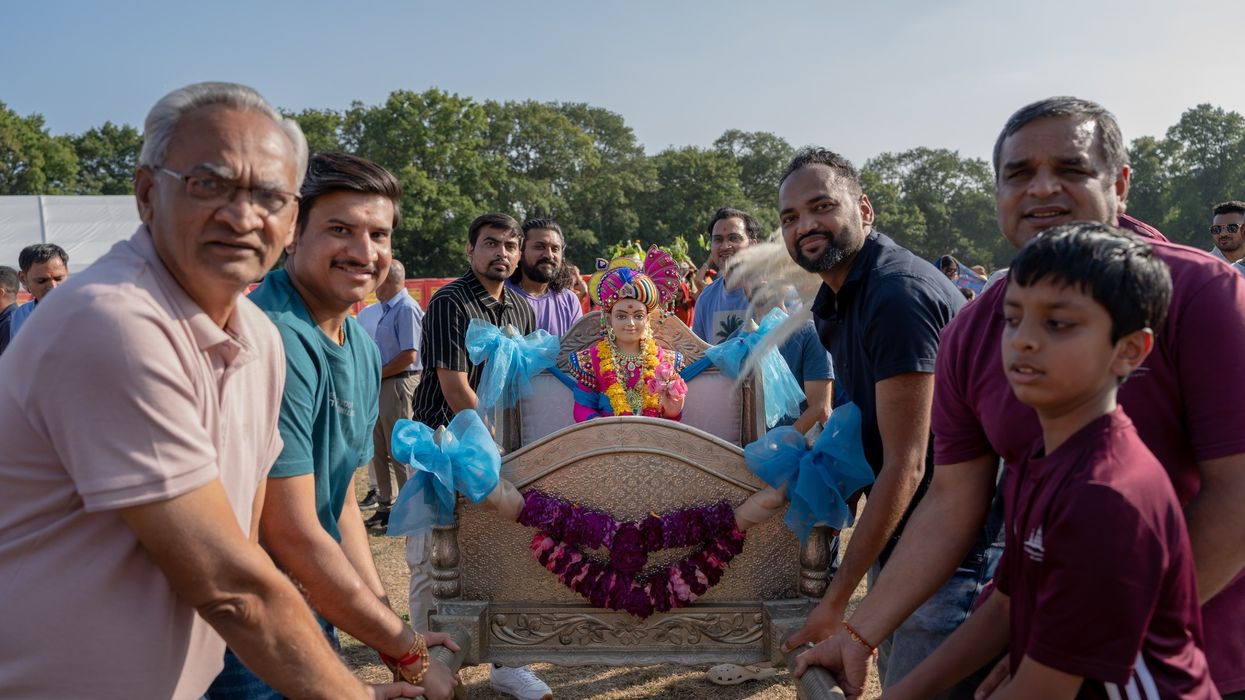
The Shree Kutch Satsang Swaminarayan Temple (SKSST) – East London will mark its annual Patotsav – Manthan Mahotsav with a special evening of devotional activities, cultural events, and community spirit on Friday (15).

Members of the Shree Swaminarayan Gadi Parivar UK (SSGP-UK) have confirmed they will attend to show their support and join in the festivities. The programme will begin at 5:30 pm at Swaminarayan Sports World, Blake Hall Road, Wanstead, London E11 2QW. Attendees will be treated to a communal dinner before the India Independence Day celebrations commence at 7:00 pm.
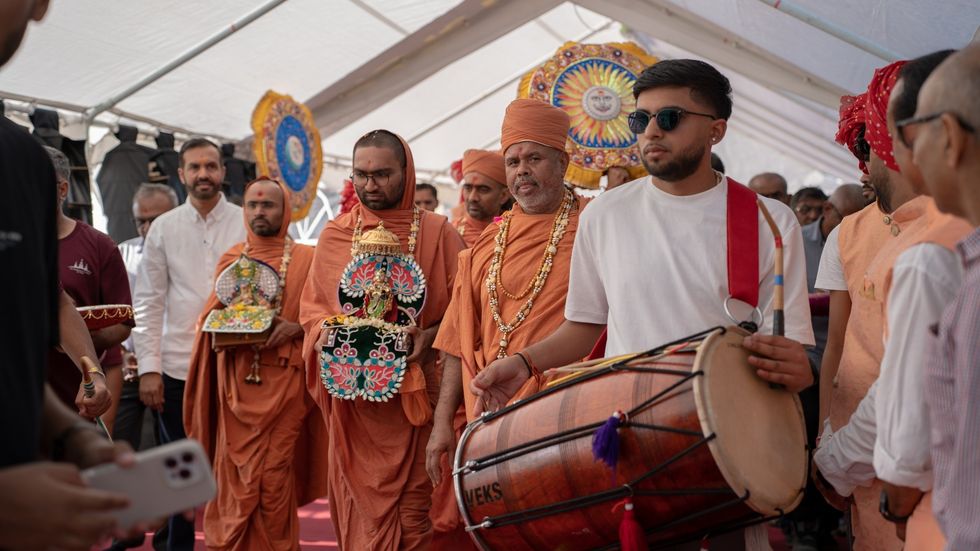

Organisers say the evening will combine traditional religious observances with patriotic pride, offering an opportunity for devotees and the wider community to come together in a spirit of unity and joy. The event is open to all, and guests are encouraged to bring friends and family to share in the celebrations.

Free on-site parking will be available, making it easier for visitors from across London to attend. The organisers look forward to welcoming everyone to what promises to be a memorable and uplifting occasion.


Add EasternEye As Your Trusted Source
preferred source on google news

More For You

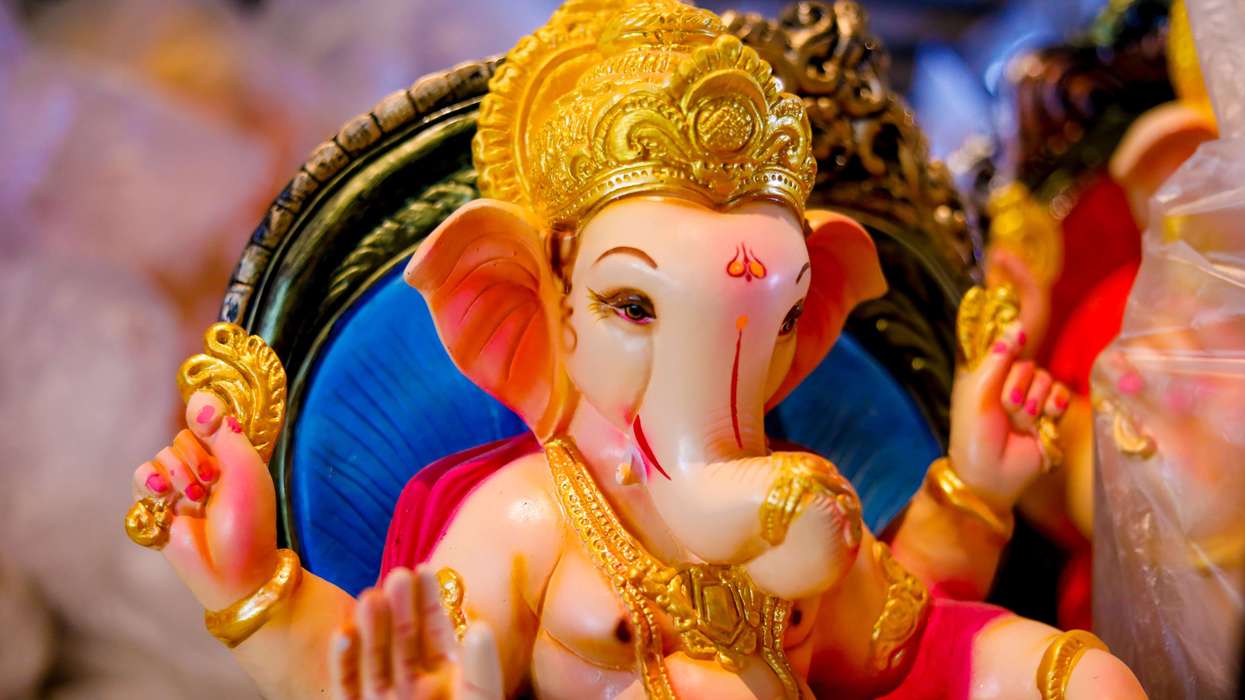
Ganesh Chaturthi 2026: How British Hindus found a workaround for an 'illegal ritual'

Ganesh Chaturthi

iStock

Ganesh Chaturthi 2026: How British Hindus found a workaround for an 'illegal ritual'

Highlights:

  • Ganesh Chaturthi 2026 begins on 14 September and runs for ten days, ending with Anant Chaturdashi on 23 September.
  • The festival's closing ritual, immersing a clay idol of Lord Ganesha in water, is restricted in UK rivers and lakes under the Environmental Protection Act 1990 and the Water Resources Act 1991.
  • British Hindu communities have spent two decades building workarounds, from Environment Agency-permitted river sites to eco-friendly idols designed to dissolve safely at home.

Every Ganesh Chaturthi ends the same way. Ten days after Lord Ganesha's clay idol is welcomed into a home or temple, it's carried out in procession and lowered into water, so that he can begin his journey back. In Maharashtra, that means the Arabian Sea. In Britain, it means the Thames isn't legally yours to use that way, and the diaspora has been quietly solving that exact problem for twenty years.

Why can't you just do it in the river?

Because British law doesn't make an exception for it. The Environmental Protection Act 1990 and the Water Resources Act 1991 both restrict depositing solid material into protected waterways, and that applies to clay idols and religious offerings just as much as anything else, regardless of intent. The Thames, in particular, is treated as a protected waterway, meaning any activity that could affect water quality or wildlife needs formal authorisation from the Environment Agency and, in London specifically, the Port of London Authority as well.

Keep ReadingShow less