
- Nearly 31 per cent of firms plan to adopt dynamic pricing tools.
- Technology like digital shelf labels could enable rapid price changes.
- Concerns grow over fairness as essential goods may see fluctuating prices.
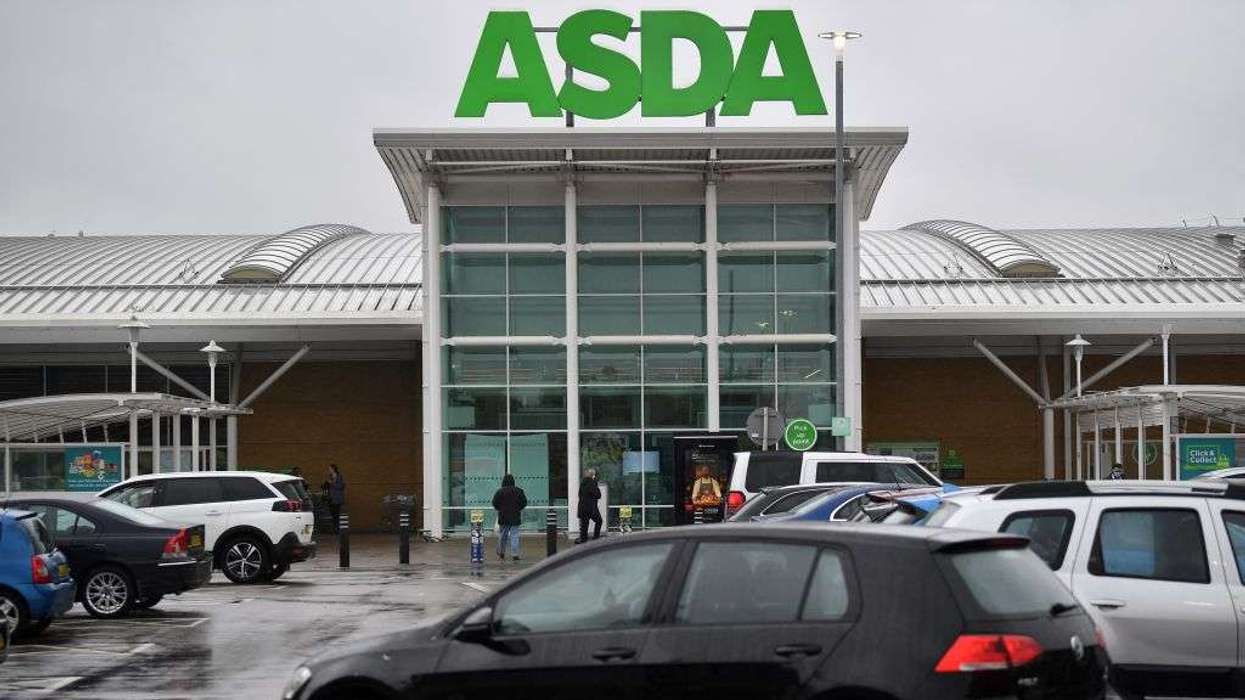
The idea of supermarket prices changing through the day — much like taxi fares or flight tickets — may not be far off. The Bank of England has warned that “dynamic pricing” could soon make its way into grocery stores, driven by rapid advances in digital technology.
In simple terms, dynamic pricing allows businesses to adjust prices based on demand. It is already common on platforms like Amazon and Uber, where costs can rise during busy periods. The difference now is that similar systems could begin to influence the price of everyday essentials — including food.
A recent survey by the Bank suggests the shift is already underway. Around 31 per cent of companies said they plan to introduce “market-responsive pricing tools” within the next year, up from 21 per cent previously.
From fixed prices to flexible shelves
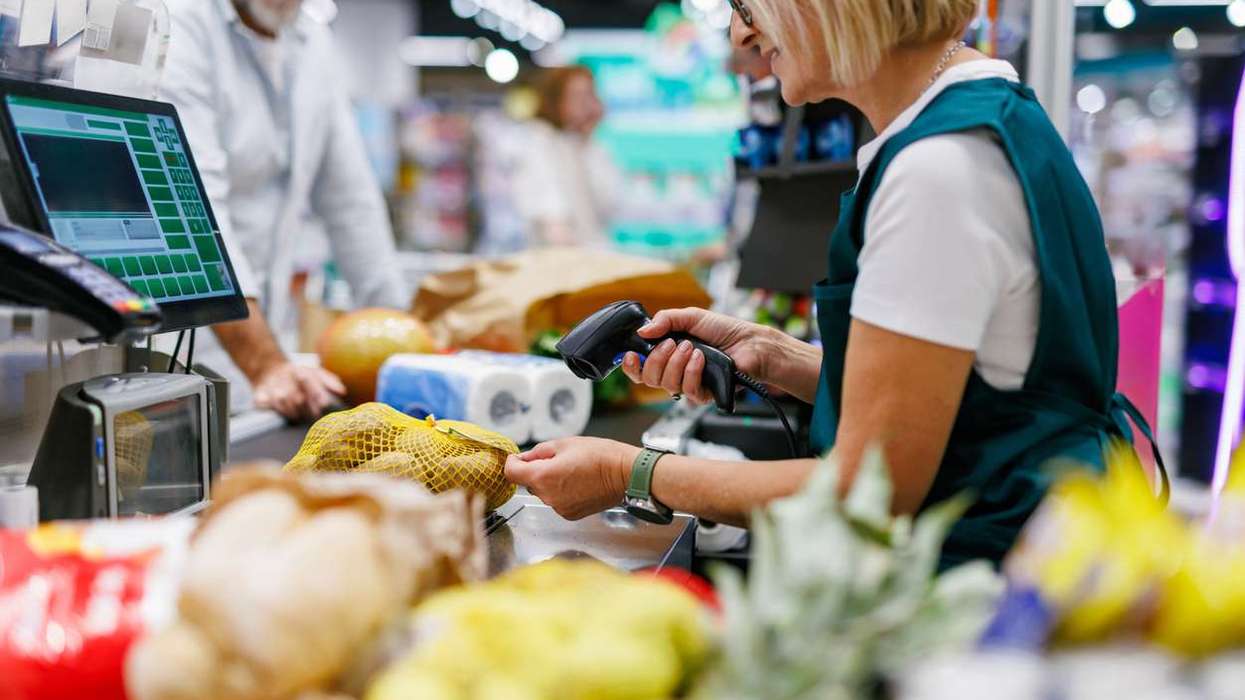
At the centre of this shift is technology. Digital shelf labels — already widely used across parts of Europe — allow retailers to update prices instantly without the need for manual changes.
Clare Lombardelli said, as quoted in a news report, that digitalisation has significantly reduced the traditional costs of changing prices. What once required reprinting menus or labels can now be done almost instantly.
This opens the door to more frequent price adjustments. In theory, it could mean higher prices for items like ice cream during a heatwave or increased costs during peak shopping hours.
The Bank also noted that businesses are beginning to experiment with more personalised pricing, where costs may vary depending on a shopper’s behaviour or spending patterns.
Efficiency gains — and fairness concerns
Supporters of dynamic pricing argue it can improve efficiency, helping businesses respond quickly to demand and manage supply more effectively. But it also raises questions about fairness, particularly when applied to essential goods.
Ms Lombardelli said, as quoted in a news report, that while such systems can create opportunities, they also introduce concerns about how pricing decisions are made and who benefits.
Regulators are already paying attention. The Competition and Markets Authority recently looked into pricing practices in the ticketing market, following complaints over rising prices during high-demand events. While no evidence of dynamic pricing was found in that case, the scrutiny reflects growing unease around how these systems are used.
The trend itself is not new. In sectors such as travel and hospitality, dynamic pricing is now standard. Hotel room rates, for instance, are far more likely to change frequently than they were two decades ago, driven by data and demand patterns.
For supermarkets, the shift may still be in its early stages. Most retailers have not confirmed plans to introduce surge-style pricing. But with the technology already being rolled out, the groundwork appears to be in place.
If adopted widely, it could mark a significant change in how people experience everyday shopping — where the price of a product may no longer be fixed but constantly moving.