
- Some medicines in the UK could run out within days, NHS England has warned.
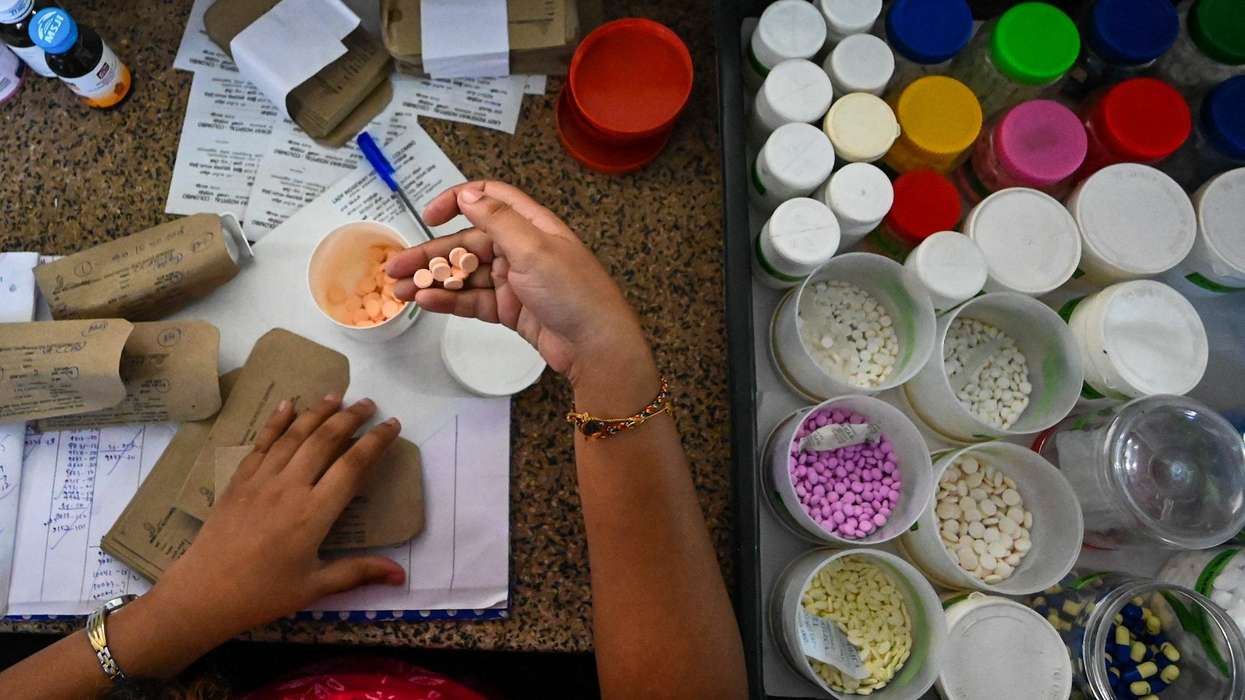
- The country imports around 75 per cent of its medicines, exposing supply risks.
- Price spikes are emerging as an early sign of pressure across pharmacies.
The UK’s medicine supply chain is under growing pressure, with NHS England warning that some drugs could run out within days if disruption worsens.
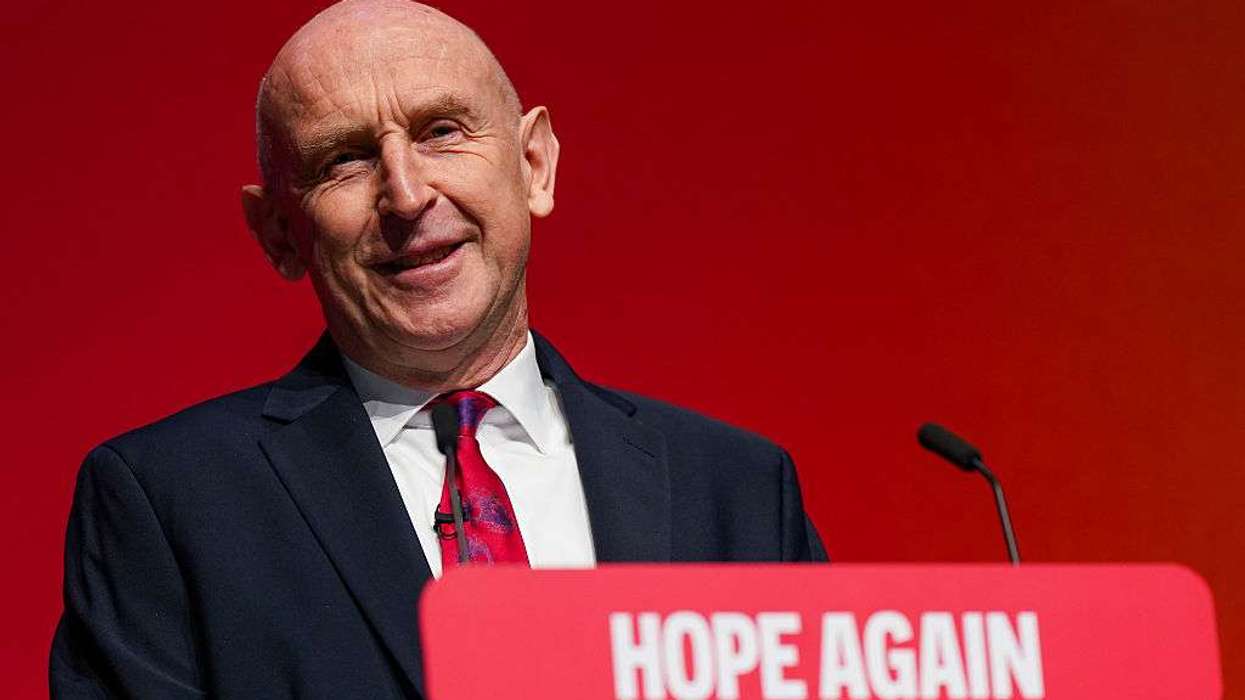
Sir Jim Mackey, chief executive of NHS England, said he is “really worried” about medicine supplies, highlighting that the UK imports around 75 per cent of its medicines. That reliance leaves the system vulnerable when global supply chains are hit.
Speaking on LBC Radio, he said stock levels vary depending on the product. While many medicines are available for a few weeks, the margin is much tighter in some cases. “It could be days for some products,” he said, as quoted in a news report.
A global chain under strain
The concern comes as the Iran conflict disrupts global trade routes, including the Strait of Hormuz, a critical shipping corridor for energy and goods. The impact is being felt across supply chains, from raw materials to finished medicines.
Mackey said the NHS cannot stockpile medicines indefinitely. Products have limited shelf lives, storage is expensive, and supply is managed across both central and local systems. A team is now actively tracking risks across supply chains to manage potential disruption.
He also pointed to recent instability, noting there have already been “a couple of supply shocks in the last 12 to 18 months”, as quoted in a news report.
Prices signal early stress
There are no confirmed shortages directly linked to the conflict so far, but warning signs are beginning to show elsewhere.
Henry Gregg, chief executive of the National Pharmacy Association, said pharmacies are seeing “disturbing spikes in prices”, reportedly suggesting that supply pressure may be building. The Department of Health has issued an unusually high number of price concessions to help pharmacies cope with rising costs.
Dr Leyla Hannbeck, chief executive of the Independent Pharmacies Association, reportedly warned of a “perfect storm”, driven by heavy reliance on imports, rising energy costs and constraints on raw materials linked to the Middle East conflict.
A government spokesperson said there are “currently no reported medicine shortages” tied to the situation and that supply chains are being closely monitored.
For now, supplies are holding. But with some medicines potentially running out in days rather than weeks, the system appears to be operating with very little room for error.