Skip to content
Search

Latest Stories

Submit Guest Post

Sri Lankan crew averts mid-air fire caused by phone

Crew on a Sri Lankan Airlines plane carrying 202 passengers have extinguished a mid-flight fire triggered by a mobile phone battery in an overhead locker, the carrier said Monday (31).

The airline said a "major" incident was averted by the quick-thinking attendants on the flight Sunday (30) from Kochi in India to Colombo.


Smoke was detected shortly after a meal service on the 70-minute flight, it said.

The smoke came from an overhead bin, the airline added, thanking its crew for "averting a major incident".

Crew suspected a lithium battery fire and put the luggage in water after failing to stop the smoke with a fire extinguisher, an airline statement said.

"The situation was successfully contained and the bag ceased to emit smoke," the statement said. "Upon investigation, the crew found a lithium battery pack and two mobile phones in the bag."

The airline did not give the make or model of the battery and the phones involved, but said an investigation was underway into the incident on the Airbus A330-200 aircraft.

No one was hurt.

In October, the carrier joined other airlines in banning Samsung Note 7 phones from its flights fearing spontaneous combustion.


Add EasternEye As Your Trusted Source
preferred source on google news

More For You

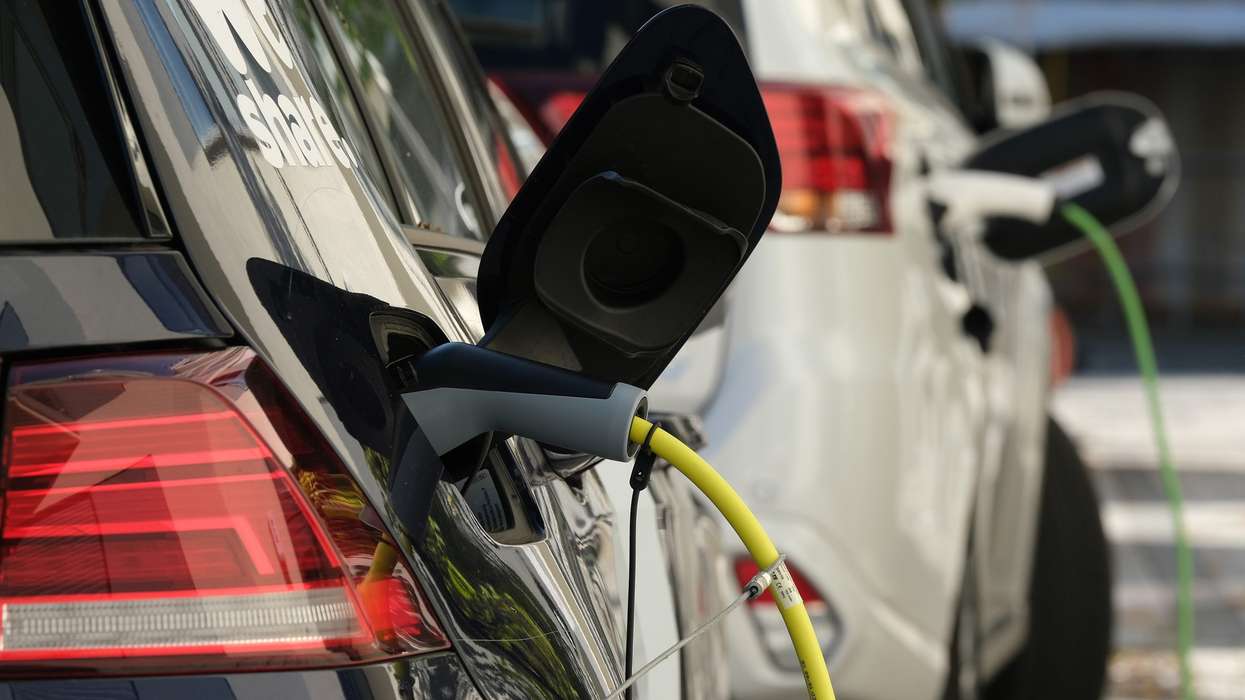
EV pavement gully charging england

New rules aim to make home charging more accessible for electric car drivers who do not have off-street parking

Getty Images

EV drivers without driveways can save £300 on home charging from today

  • Qualifying under-pavement EV charging installations no longer require planning permission, potentially saving drivers up to £300.
  • Drivers without driveways could charge their cars at domestic electricity rates, with the government saying home charging can cost as little as 2p per mile.
  • The government is consulting on further changes to make it easier for tenants and leaseholders to install chargers and to improve charging provision in new buildings.

Electric car drivers who park on the street could save up to £300 on home charger installation under new government rules designed to make charging cheaper and easier.

From today (21), drivers no longer need planning permission for qualifying permanent cables installed beneath pavements to connect their homes to parked electric vehicles. The change is intended to reduce installation costs and remove a barrier for households without driveways.

Keep ReadingShow less