
Sri Lanka is seeking $2.2 billion (£1.6 billion) from Chinese banks, the government said on Thursday, in echoes of a borrowing binge more than a decade ago that resulted in the country having to give up a strategic port to China.
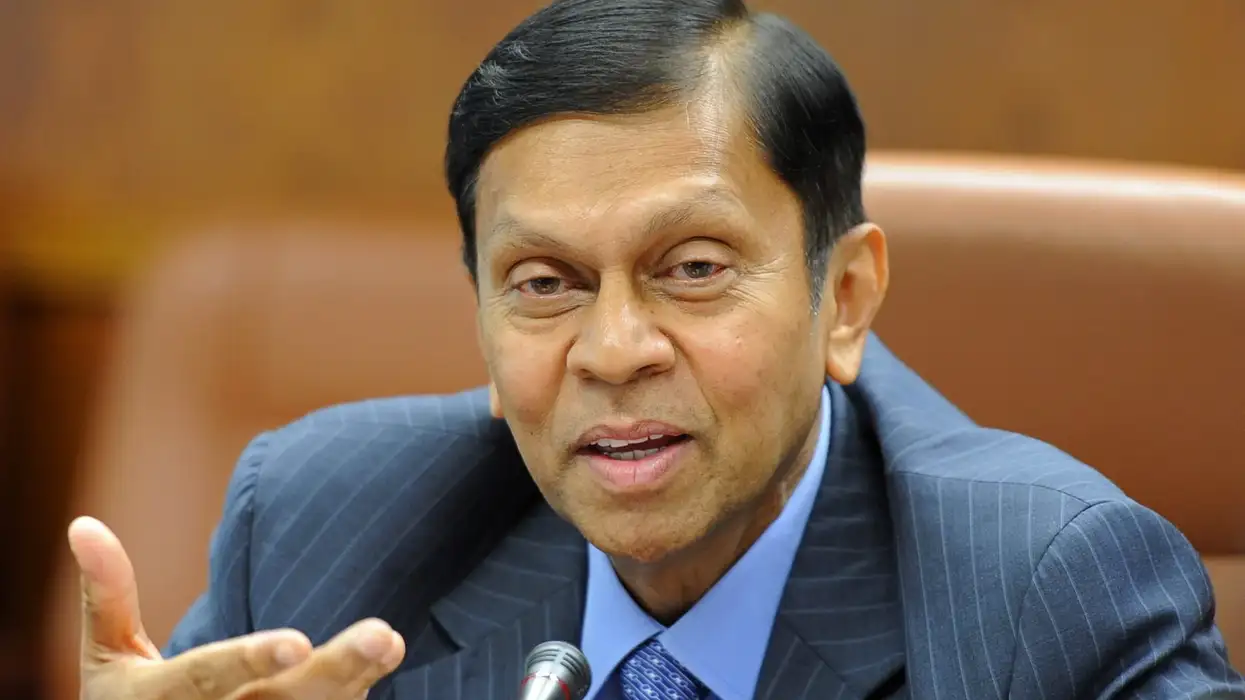
Money and capital markets minister Nivard Cabraal said the government was hopeful of finalising a $1.5-billion (£1.1 billion) swap facility with China's central bank.
"Within the next two weeks we should be able to finalise it," Cabraal told reporters in Colombo while maintaining that the funds would be used as a "buffer" to meet the government's foreign currency needs.
Official figures show Sri Lanka's foreign reserves plummeted to $4.8 billion (£3.4 billion) at the end of January, the lowest since September 2009 when they fell to $4.2 billion (£2.9 billion).
Officials said Sri Lanka was also in talks with China Development Bank for a $700-million (£496 million) loan that would include the equivalent of $200 million (£142 million) being drawn in Chinese currency.
Under former president Mahinda Rajapaksa between 2005-15, Colombo borrowed billions from China, accumulating a mountain of debt for expensive infrastructure projects.
This sparked Western and Indian concerns that the strategically located Indian Ocean nation was falling victim to a Chinese debt trap.
Mahinda Rajapaksa returned to power as prime minister in 2019 after his brother Gotabaya Rajapaksa as elected president.
Sri Lanka was forced to hand over its strategic Hambantota port on a 99-year lease to a Chinese company in 2017 after Colombo said it was unable to service the $1.4-billion (£1 billion) debt from Beijing used to build it.
Three top international rating agencies downgraded Sri Lanka's creditworthiness late last year after raising doubts over Colombo's ability to service its foreign debt.
The South Asian nation's economy is reeling from the twin impacts of the deadly 2019 Easter bombings that killed 279 and devastated the tourism sector as well as the fallout from the pandemic.
Cabraal insisted Thursday that Sri Lanka would maintain its record of repaying debt on time and said the credit downgrades by international agencies were "unwarranted."
He said Sri Lanka had already repaid $500 million (£354 million) this year out of its $3.7 billion debt servicing commitment for calendar 2021.
He said the government imposed a ban on luxury imports and several other commodities in a bid to conserve foreign exchange so that the country could have sufficient foreign currency to repay its debt.
Sri Lanka's economy contracted by a record 3.9 percent last year.
However, Cabraal said economic activity was picking up and the country estimated foreign inflows of $32 billion (£22.6 billion) against outflows of $27.6 billion (£19.6 billion) this year leaving a surplus of $4.4 billion (£3.1 billion).





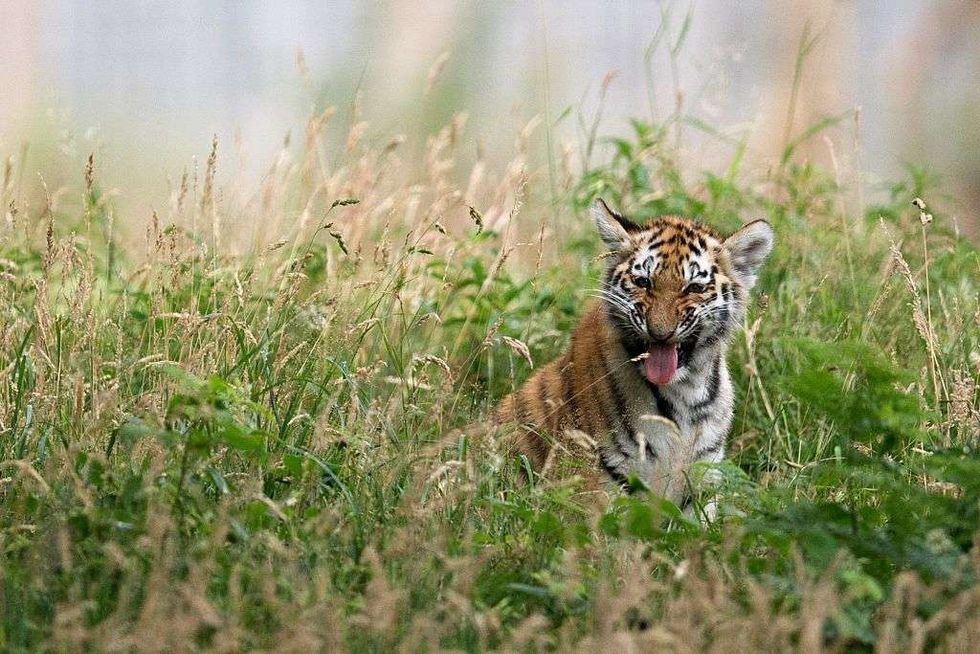 A rare Amur Tiger cub, aged four months, experiences its reserve for the first time at the Yorkshire Wildlife Park near Doncaster, northern England on July 29, 2015. Only around 450 Amur Tigers survive in the wild in their native Russia and Yorkshire Wildlife Park's release of three cubs, named Hector, Harley and Hope, into their reserve coincides with International Tiger Day. Getty Images
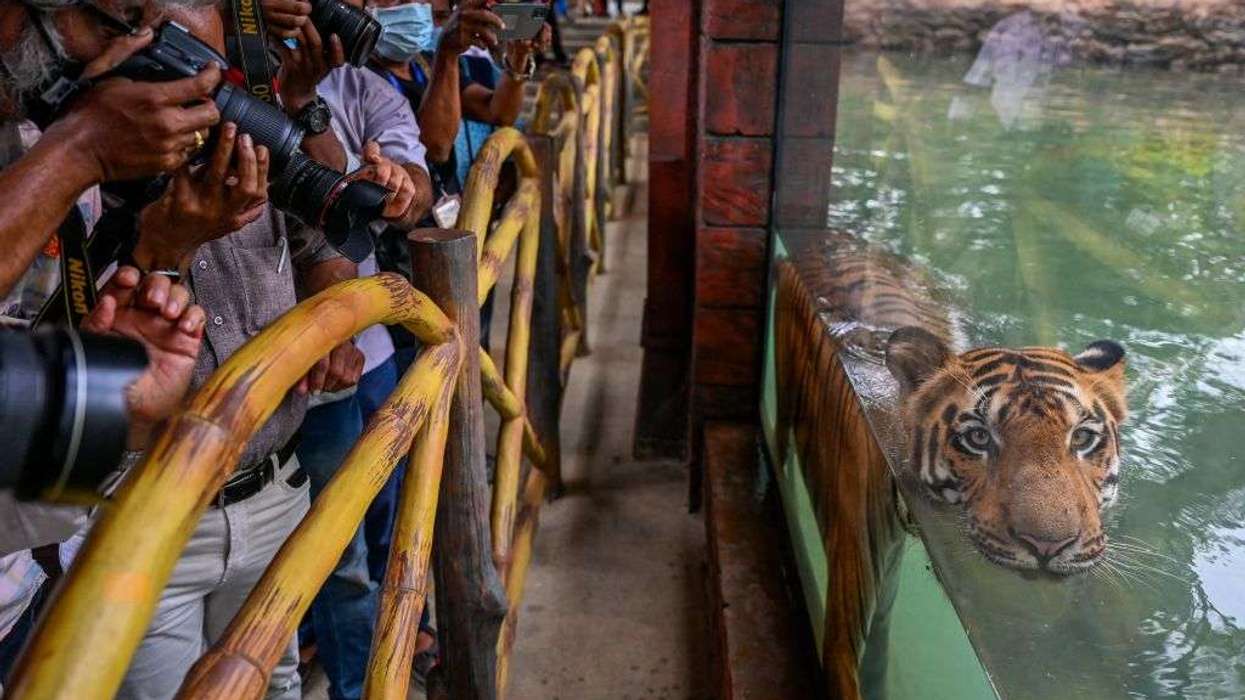
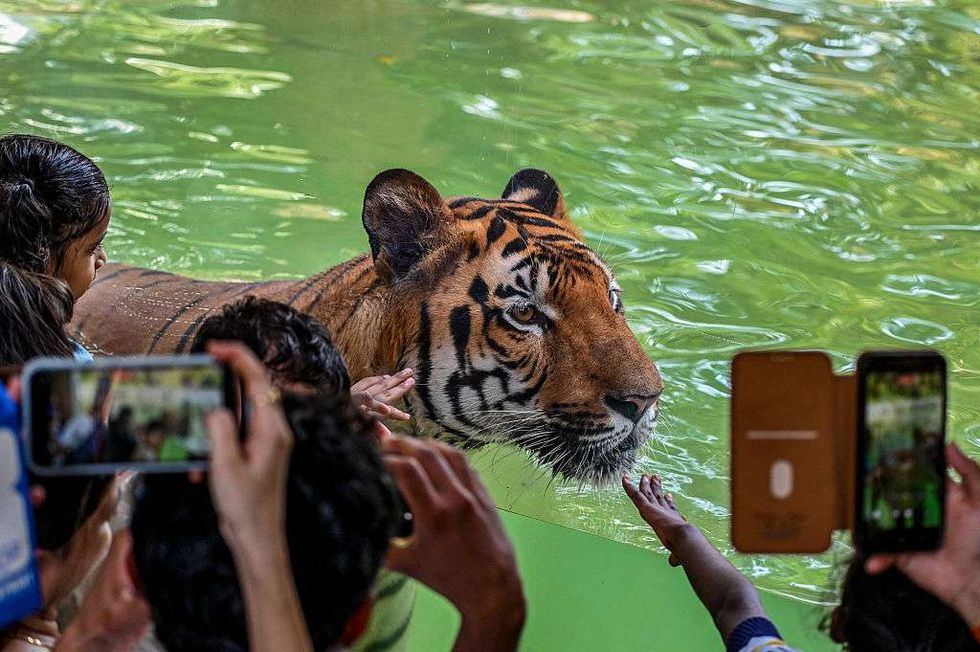 Visitors watch Jai, a Bengal tiger enjoying in a pool on a hot afternoon at the Veermata Jijabai Bhosale Udyan and Zoo in Mumbai on May 10, 2026. Getty Images
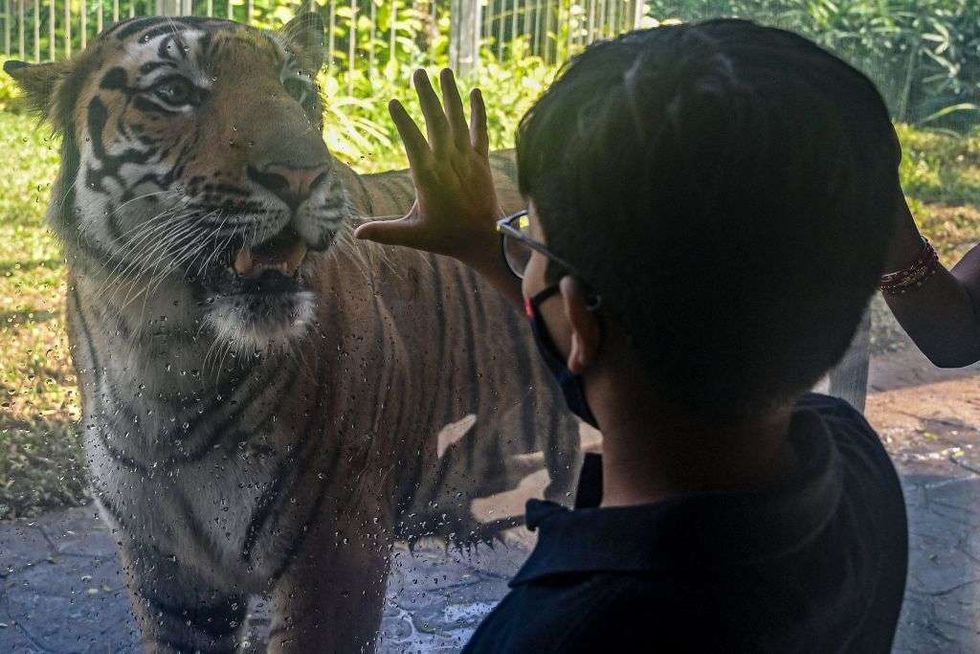 A boy looks at Shakti, a Bengal Tiger strolling inside its enclosure at Veermata Jijabai Bhosale Udyan and Zoo after the facility was reopened for visitors as part of easing of restrictions imposed earlier to curb the Covid-19 coronavirus pandemic in Mumbai on February 10, 2022. Getty Images