
Sril Lanka president Ranil Wickremesinghe has instructed government departments to expedite the drafting of legislation in order to implement the Action Plan for Reconciliation of Tamils in the island nation.
Sri Lanka endured a three-decade conflict, including a protracted and brutal armed conflict, between the Liberation Tigers of Tamil Eelam (LTTE) and the country’s armed forces.
On May 18, 2009, a campaign by the LTTE to establish a separate Tamil homeland in the northern and eastern province of the island nation came to an end with the killing of the LTTE supremo Velupillai Prabakaran by the Sri Lankan Army.
Six years later, in 2015, the Sri Lankan government renewed its commitment to reconciliation and embarked on several initiatives for national reconciliation. The Action Plan for Reconciliation was part of the government’s need for a comprehensive national policy to resolve these prickly issues.
During a meeting last Thursday (8), Wickremesinghe sought the progress of initiatives in five key areas - legislation, institutional activities, land issues, prisoner release and power decentralisation, which were also reviewed, the president’s media division said.
The implementation of the Truth and Reconciliation Commission, the establishment of a National Land Council, and the formulation of a National Land Policy were among the matters that were also discussed.
Sinhalese, mostly Buddhist, make up nearly 75 per cent of Sri Lanka’s 22 million population while Tamils make up 15 per cent. The majority hardline Buddhist clergy resisted attempts for reconciliation with the Tamil minority since 1948, when the country gained its independence from Britain.
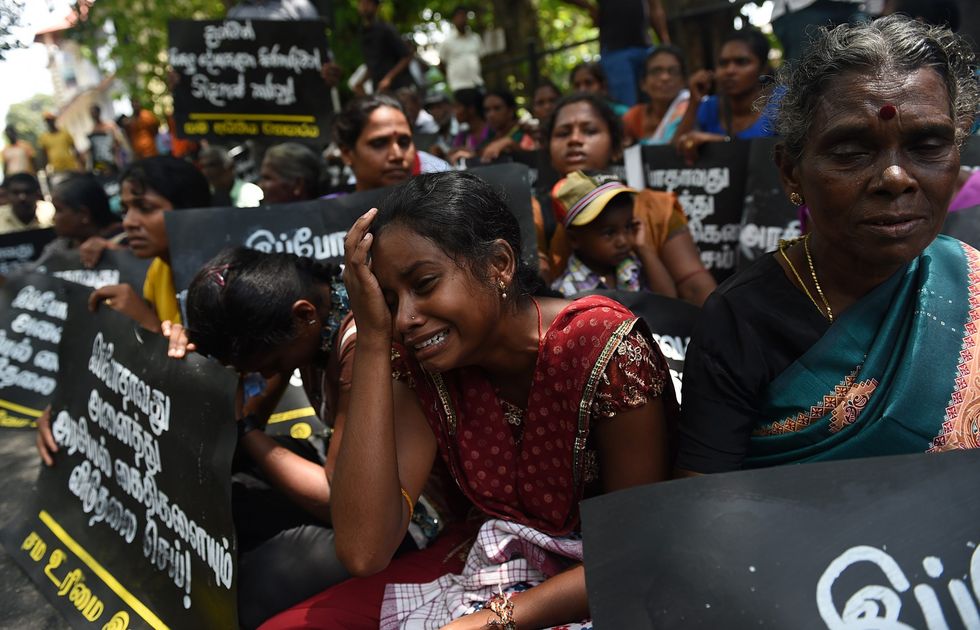 Tamils allege that thousands were massacred in the war that ended in 2009
The Tamils allege that thousands were massacred during the final stages of the war that ended in 2009, a charge the Sri Lankan Army denies. At least 40,000 Tamil civilians may have been killed in just the final months of the civil war, according to a UN report. Sri Lanka has been subject to the UN human rights council resolutions since 2013 calling for accountability through international investigations to the incidents of alleged war crimes.
Ousted president Gotabaya Rajapaksa was the defence secretary during the final phase of the conflict when LTTE supremo Prabhakaran was killed.
The island nation has had a long history of failed negotiations with the Tamils.
An Indian effort in 1987, which created the system of a joint provincial council for the Tamil-dominated north and east, faltered as the minority community claimed it fell short of full autonomy.
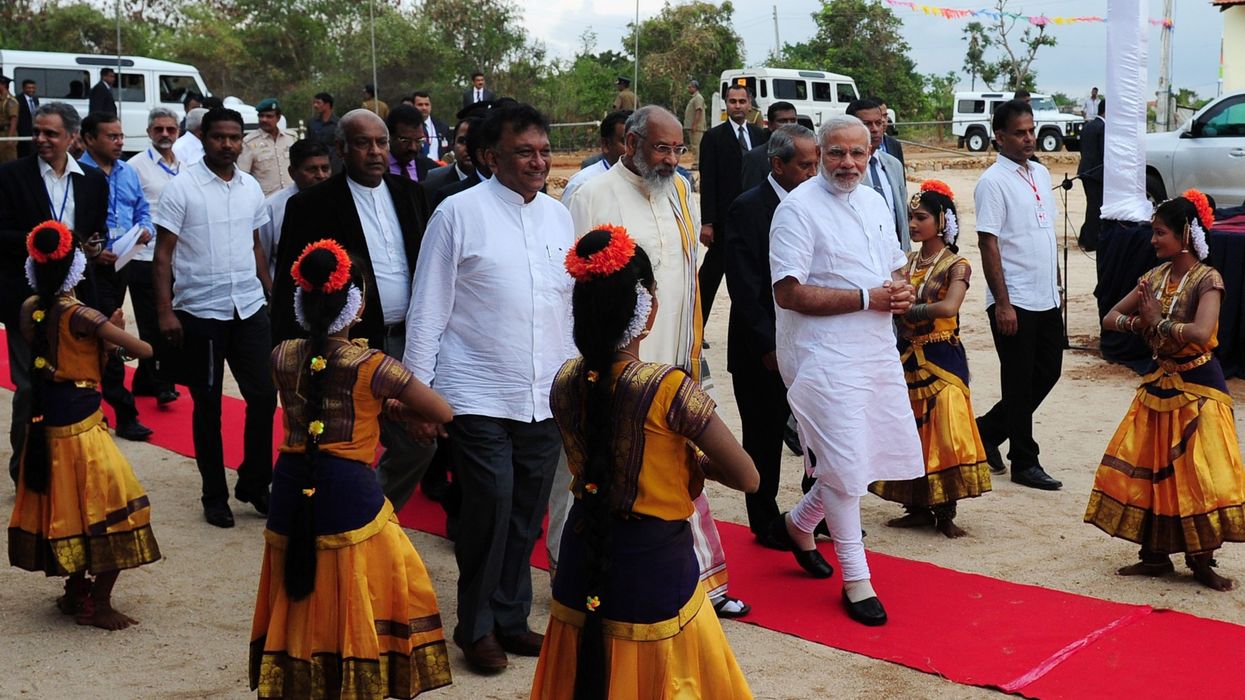
Wickremesinghe, who took over as the president last year amid the unprecedented economic crisis and political turmoil, earlier, underlined the need to fully implement the 13th Amendment to the Constitution to grant political autonomy to the minority Tamils in the country.
The 13A provides for the devolution of power to the Tamil community in Sri Lanka.
India has been pressing Sri Lanka to implement the 13A which was brought in after the Indo-Sri Lankan agreement of 1987.





 Vijay with friend and racer Ajith KumarPhoto: X