
Skip to content
Search

Latest Stories

Sir Mark Tully: The Englishman whose heart was Indian

Mark, who died, aged 90, was cremated at the Lodhi Road cre­matorium, where Hindu priests sprinkled Ganga jal and Christian hymns were also sung.
Sir Mark Tully India

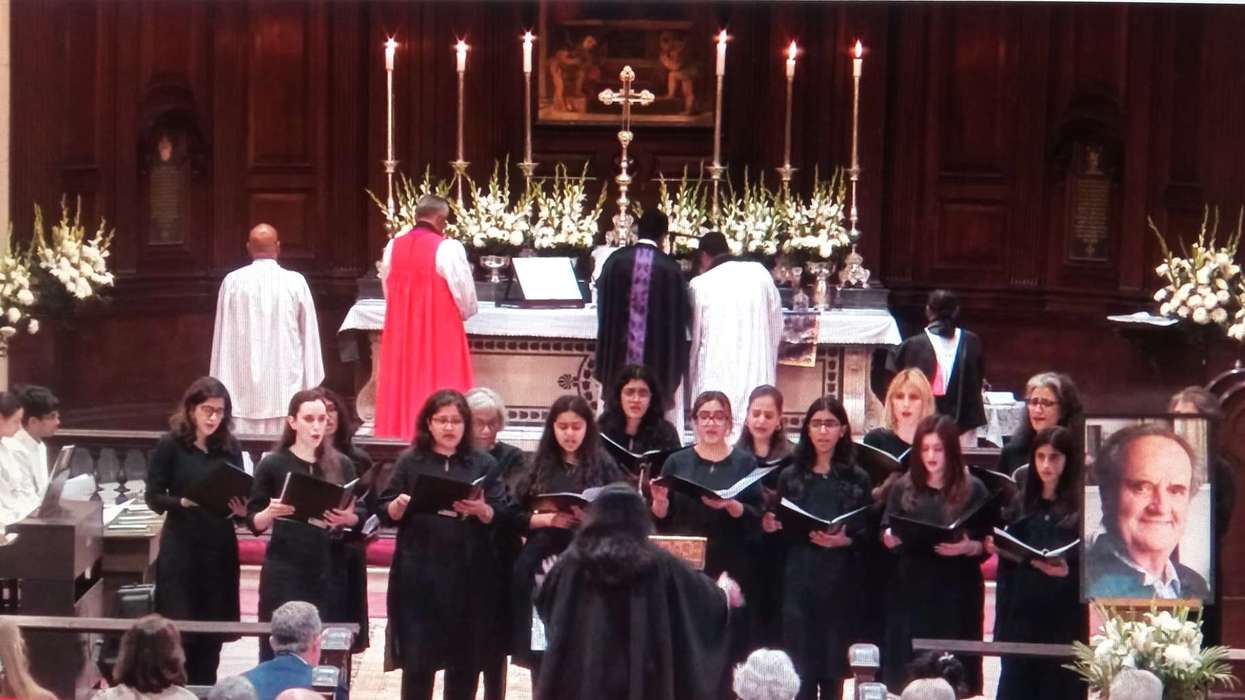
The requiem service for Sir Mark Tully.

Eastern Eye

THE farewell for Sir Mark Tully blended his love for India and for Britain. A requiem mass was held for Mark, long the BBC’s man in India, last Sunday (1) at the Ca­thedral Church of the Redemption in Delhi.

Mark, who died, aged 90, was cremated at the Lodhi Road cre­matorium, where Hindu priests sprinkled Ganga jal and Christian hymns were also sung.


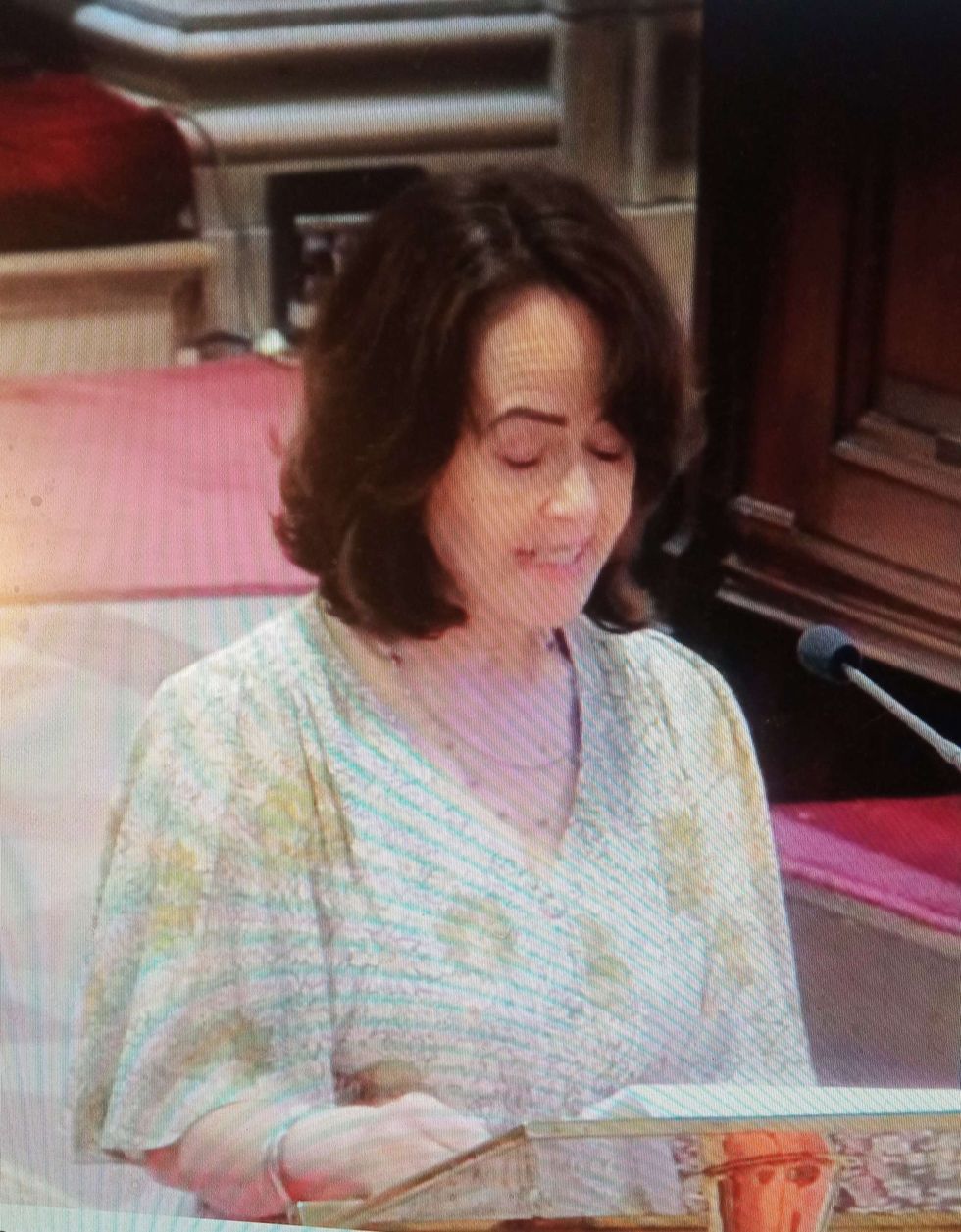
Sir Mark Tully India Serra TullyEastern Eye

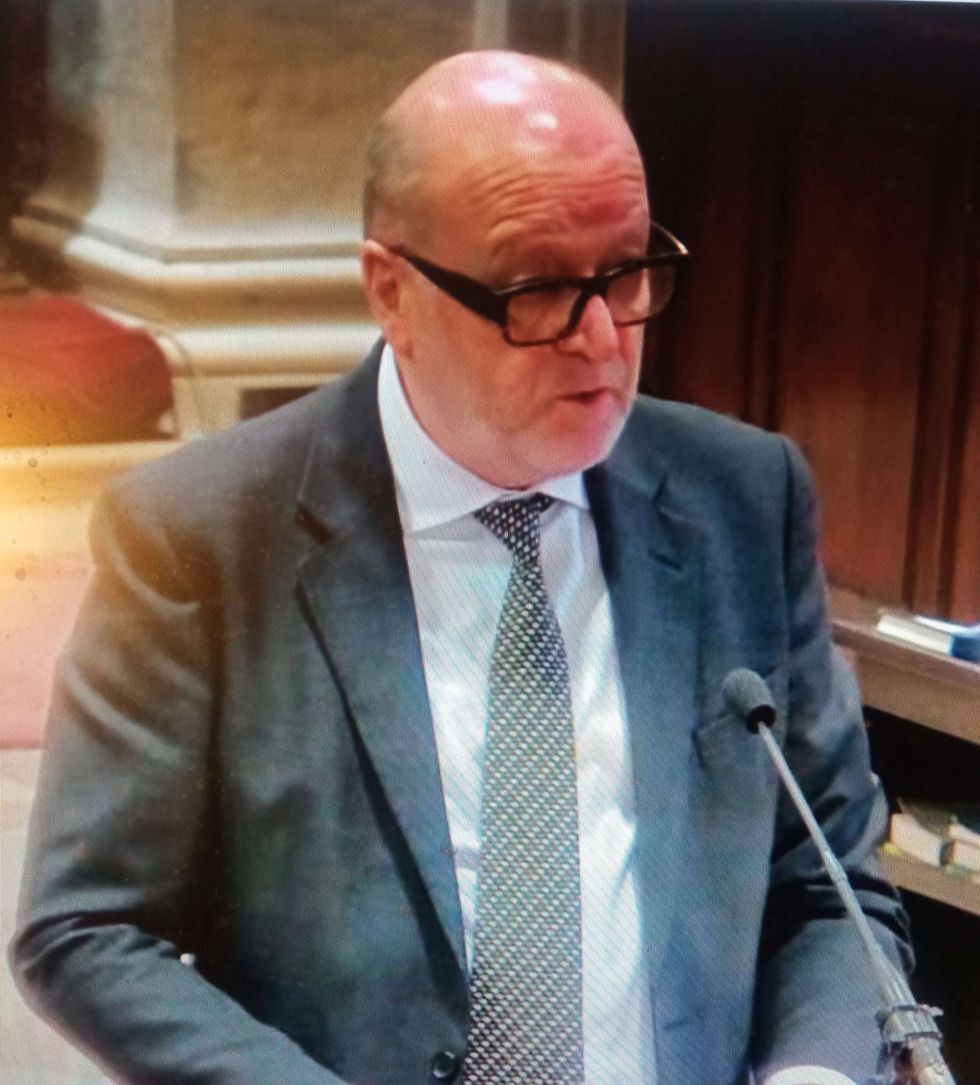
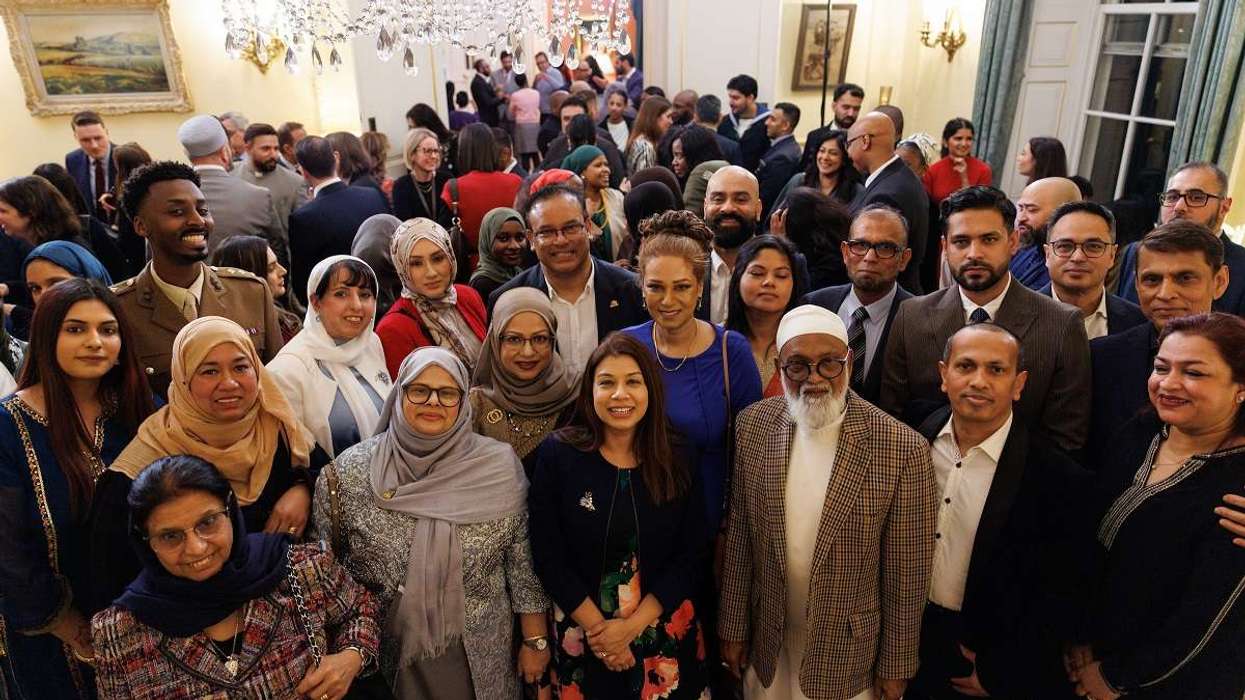
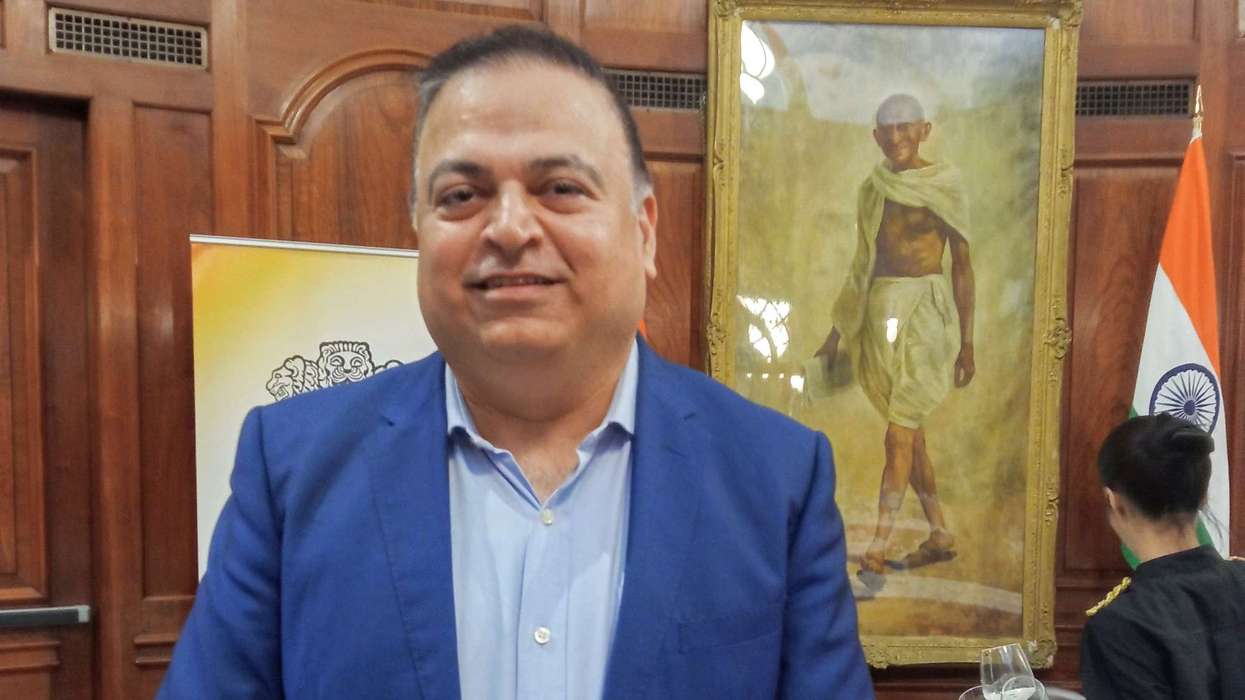
At the cathedral service, which was also a celebration of his life, tributes were paid by three of his four children – Patrick, Serra and Sam Tully.

Born in an affluent part of Cal­cutta on October 24, 1935, he was one of five siblings. His British nanny’s responsibility was to en­sure “her charge didn’t go native”.

Sir Mark Tully India Sam TullyEastern Eye

He was a “spiritual seeker” and a link between India and the UK. He had great affection for Britain but “his dil was Hindustani” (as in the song from the Raj Kapoor Bol­lywood movie, Shree 420, from 1955). He loved going to the Kumbh Mela and could recite the Hanuman Chalisa, but “his sheet anchor was Christianity, especially High Anglican”. There were anec­dotes about his passion for Indian rail journeys.
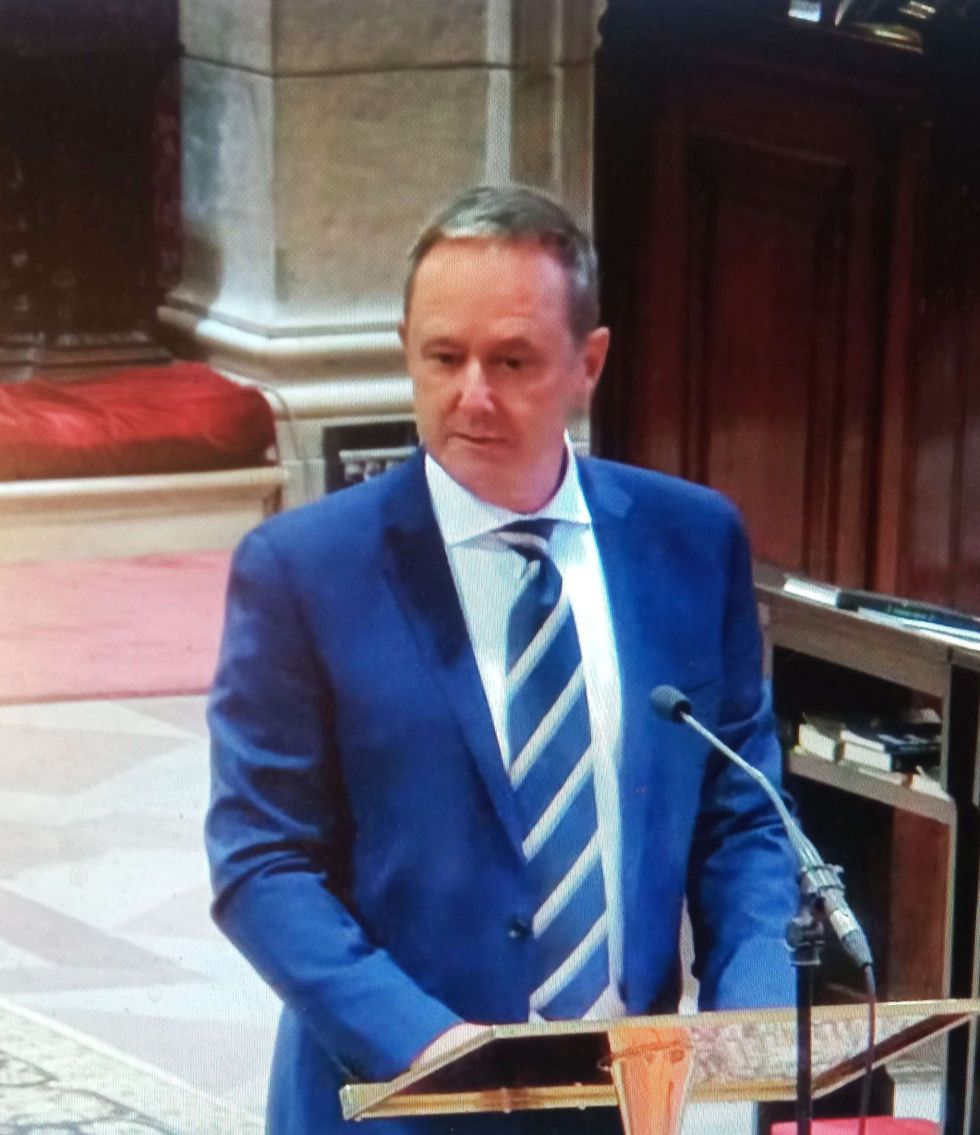
Sir Mark Tully India Patrick TullyEastern Eye

With Mark’s passing, there ap­pears to have been a genuine sense of loss across India. The family re­ceived condolence messages from both the Indian prime minister Narendra Modi and the opposition Congress leader Sonia Gandhi.

Mark was quintessentially Eng­lish, retained his British passport and loved India. It should also be possible to remain quintessential­ly Indian and love Britain. It would be good if there were equivalents of Mark Tully in this country.


More For You

How May elections could disrupt Britain’s political balance

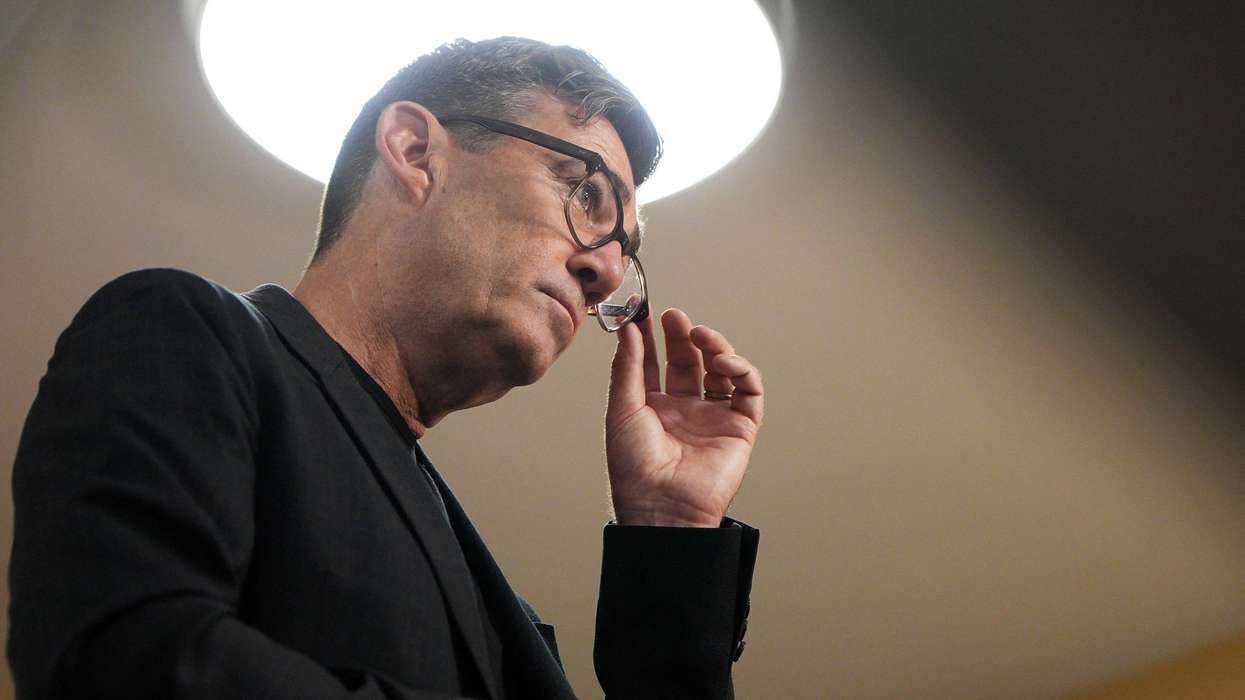
Scottish Labour leader, Anas Sarwar speaks to media infront of the party’s Ad Van Campaign on May 04, 2026 in Bathgate, Scotland

Getty Images

How May elections could disrupt Britain’s political balance

Sunder Katwala

The tremors of the May 2026 elections could shift the tectonic plates of British politics. Attention will quickly turn to the Westminster aftershocks, including what the fallout of these national elections in Scotland and Wales alongside local elections across much of England, mean for Sir Keir Starmer’s future. Yet these seismic electoral upheavals merit scrutiny in their own right.

Wales is set for a once a century political earthquake. Labour has not just led the Welsh government since devolution began in 1999 - but won the most votes in every national election in Wales since 1922. Yet it now trails third, burdened by double incumbency in Cardiff Bay and Westminster, with the party watching the Welsh nationalists of Plaid Cymru and Reform’s pro-Brexit populists compete to top the polls. That contrast has polarised Wales - by age and geography - though a broad majority would prefer a government led by Plaid Cymru’s Rhun Ap Iowerth, with two-thirds hoping to keep Reform out.

Scotland could offer a rare pocket of political stability. John Swinney is the third Scottish first minister of a turbulent term after Nicola Sturgeon and Humza Yousaf, but may now secure a fifth term for his Scottish National Party. The trick to bucking the anti-incumbent trend has been to leverage his Edinburgh government being comparatively less unpopular than its London counterpart. Scottish Labour leader Anas Sarwar sought to demonstrate his own distance from Westminster by calling for Starmer to resign, but his bid to lead Scotland, and become its second Asian First Minister, looks set to fall short.

Plaid Cymru leader Rhun ap IorwerthGetty Images

Keep ReadingShow less