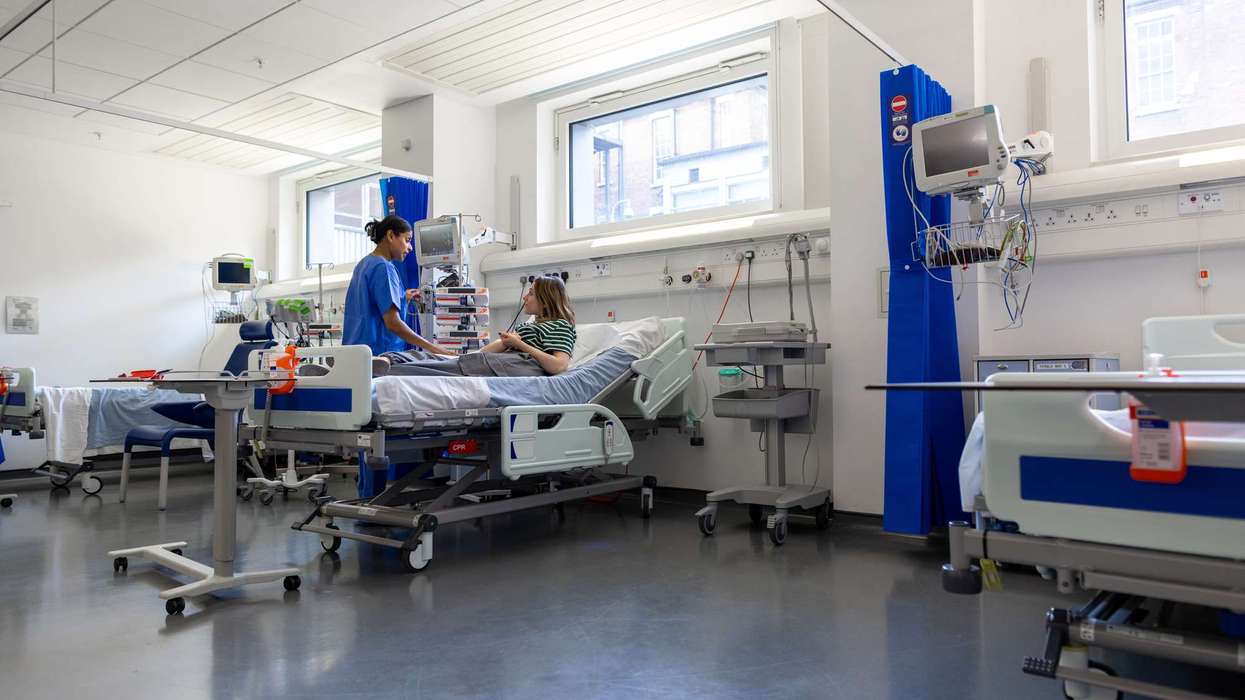
SCHOOLS in England will be required by law to create Individual Support Plans (ISPs) for all children with special educational needs and disabilities (SEND), under major changes set out by the government.
More than one million children who currently do not have legally enforceable rights will gain entitlement to a support plan.
Education, Health and Care Plans (EHCPs), which set out the help children are entitled to, will be retained and improved. By 2035, EHCPs will be reserved for only the most complex cases. In England, 639,000 people with SEND up to the age of 25 have EHCPs, a number that has more than doubled in a decade.
Children who currently have an EHCP will keep it until they reach the next stage of their education, such as secondary school or sixth form. From 2029, children will be reassessed for EHCPs as they move to the next stage of their education.
The government said no child will lose support already in place. Any child with a special school place in 2029 will be able to keep it until they finish education if they want to. Changes from EHCPs to ISPs in mainstream schools will begin from 2030 and only when children move between stages. ISPs will be in place before any change takes place. No child in year 3 now, or older, will have to move to an ISP before the end of secondary school if they do not want to.
Parents will continue to have the right to appeal decisions through the SEND Tribunal. EHCPs and ISPs will be digitised. Draft Specialist Provision Packages will be published later this year. Independent special schools will come under a new regulatory system.
The plans include £200 million for teacher and staff training, £1.6 billion through an inclusion grant, £3.7 billion to create more than 60,000 specialist places, and £1.8 billion for an “Experts at Hand” programme.
Education Secretary Bridget Phillipson said: “The SEND system designed ten years ago for a small number of children is now broken. Parents end up fighting tooth and nail for entitlements on paper that don’t see them getting additional support. Children's educations and lives have suffered.”