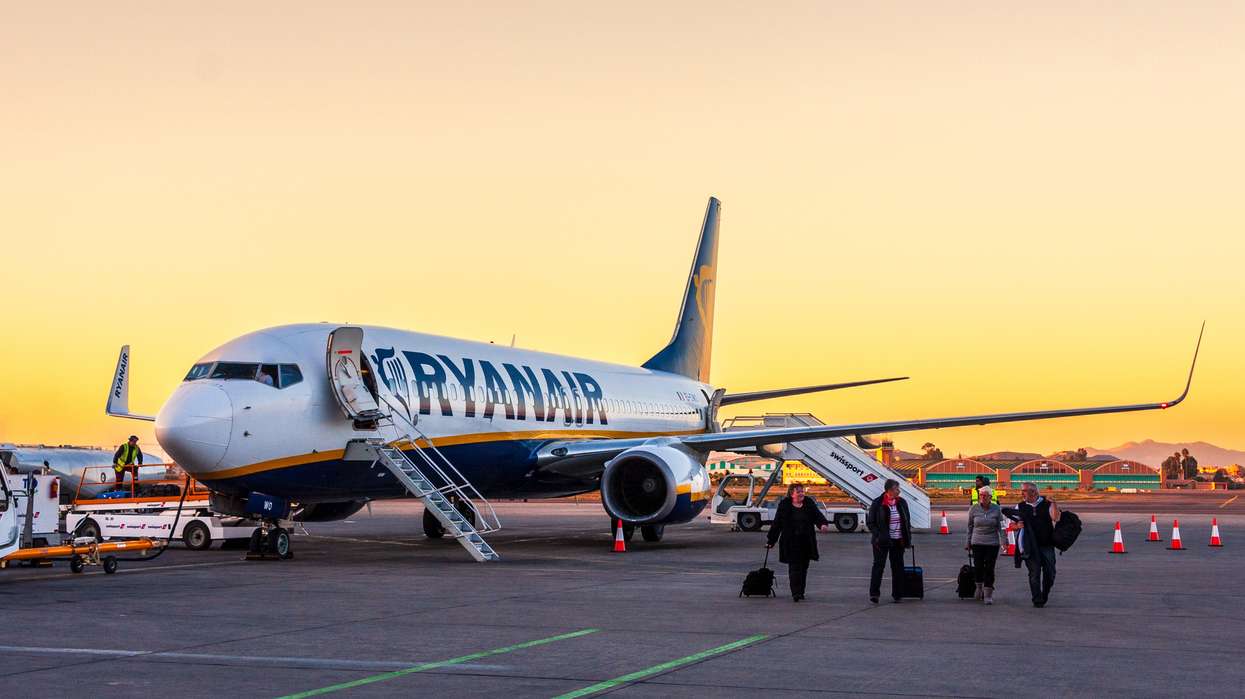

- Ryanair cancelled more than 1,000 flights in September, according to the airline.
- Two NATS incidents occurred within a fortnight, disrupting flights across Britainand Ireland.
- Ryanair carried 20.1 million passengers last month, up 4 per cent year on year.
Ryanair has blamed problems with Britain’s air traffic control system for part of the more than 1,000 flights it cancelled in September, as repeated failures at National Air Traffic Services (NATS) continue to put pressure on the UK’s aviation infrastructure.
According to reports, the Irish budget airline attributed the cancellations to two separate air traffic control (ATC) incidents within a fortnight, alongside ATC strikes in Belgium and disruption caused by volcanic ash from eruptions at Mount Etna in Sicily.
The figures came as Ryanair reported a 4 per cent annual rise in passenger numbers for September. The airline said it carried more than 20.1 million passengers during the month and operated more than 111,700 flights, with a load factor of 94 per cent.
The latest figures underline the contrast facing European airlines: passenger demand remains strong, but operational disruption and rising costs are making it harder to keep schedules running smoothly.
Two NATS failures in two weeks
Britain's air traffic control system was hit by a major software failure on September 8, disrupting more than 2,000 flights and affecting hundreds of thousands of passengers, according to NATS and subsequent reports.
NATS said its preliminary investigation found that the incident was caused by a software defect in a small subsection of its flight data system. The organisation said the problem occurred “in the space of a millisecond”, although the resulting disruption lasted far longer.
NATS chief executive Martin Rolfe said: “This was a software issue in a specific part of our flight data system, that we have traced to a small subsection of coding.”
The system was eventually restored, but the disruption spread across major UK airports and took days for the wider network to recover. The UK Civil Aviation Authority has also been examining the incident.
Less than two weeks later, another problem hit NATS, this time at its Prestwick centre in Scotland. NATS said the second incident was a “connectivity issue” and was unrelated to the earlier software fault.
Ryanair has repeatedly called for Rolfe to resign. Following the second incident, its chief operations officer Neal McMahon said: “Just three days after NATS assured airlines and passengers that it had introduced a robust ‘mitigation plans’, its flight data processing system has failed again.”
He added: “Enough is enough. Martin Rolfe should resign today.”
The repeated failures have placed Rolfe under growing pressure. Transport Secretary Heidi Alexander is reportedly due to meet NATS chairman Sir Warren East in the coming weeks to discuss the problems and the future of the organisation's leadership.
The government has also been seeking assurances about the resilience of the systems supporting Britain's aviation network, while the regulator considers the wider implications of the September failures.
Airlines face pressure beyond NATS
Ryanair's September cancellations were not all linked to Britain's air traffic control system.
The airline also pointed to air traffic control strikes in Belgium and disruption across Europe following volcanic ash clouds from Mount Etna. The combination highlights how quickly problems in one part of Europe's tightly connected aviation network can affect schedules elsewhere.
Ryanair was not the only budget airline reporting strong passenger growth. Wizz Air said it carried 7.78 million passengers in September, a 24 per cent increase from a year earlier, while capacity rose 25.3 per cent.
But Wizz Air has also warned of a more difficult operating environment. The airline recently said it planned to cut its flight programme by 5 per cent during the second half of 2026, citing pressures from the Iran war and higher fuel costs.
For Ryanair, September's figures therefore tell two stories at once. The airline continued to carry record numbers of travellers, but more than 1,000 cancelled flights show how vulnerable those schedules remain to failures in infrastructure outside the airline's direct control.
The continuing scrutiny of NATS means the question now extends beyond the individual September incidents: whether Britain's air traffic control network has sufficient resilience and back-up arrangements to prevent another technical failure from cascading through the wider European aviation system.