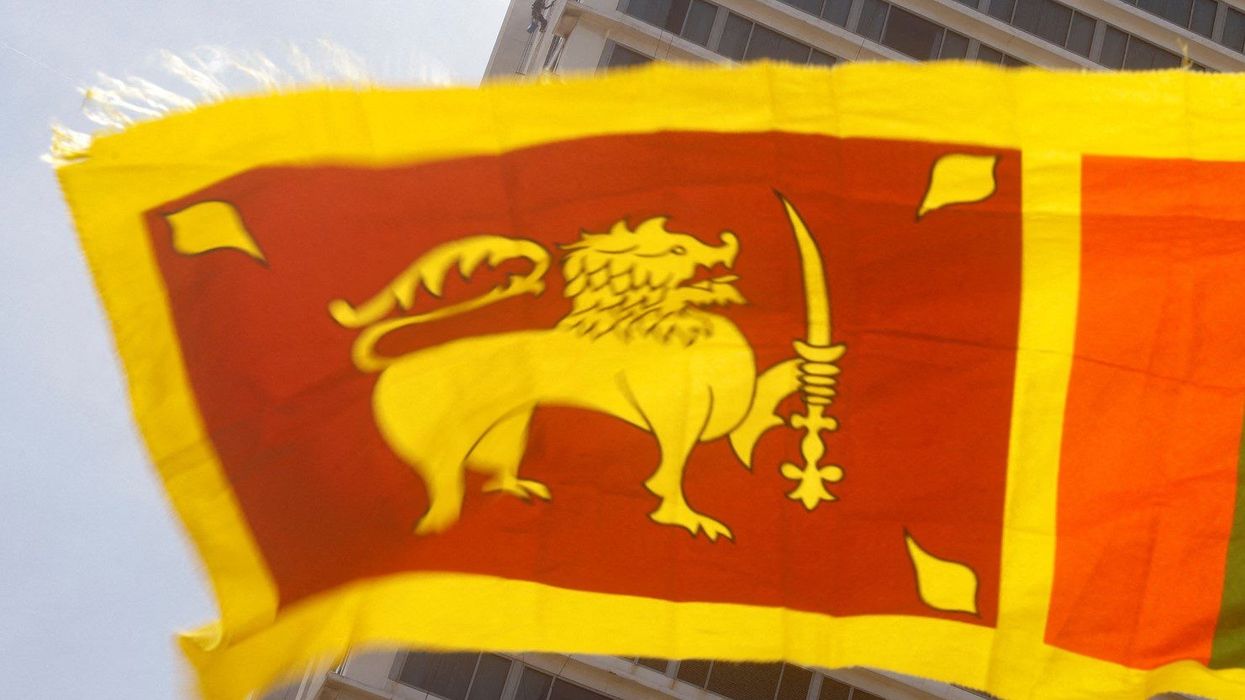

SRI LANKA’S economy shrank 11.5 per cent in the first three months of 2023, official data showed last Thursday (15), as the country remained in the grip of its worst financial crisis in decades.
The downturn was driven by high inflation and high interest rates, the rising cost of components, as well as restrictions on imports and lower earnings from apparel exports, the Census and Statistics Department said in a statement.
The agriculture sector grew 0.8 per cent from a year earlier, while output from industries contracted 23.4 per cent and services dropped five per cent, the department said. Sri Lanka’s central bank projects that GDP will shrink by two per cent this year while the International Monetary Fund (IMF) estimates a contraction of three per cent.
The central bank slashed interest rates by 250 basis points earlier this month, the first reduction in three years, as it shifts focus towards stimulating the economy.
Sri Lanka’s economy contracted by a record 7.8 per cent last year after its foreign exchange reserves hit record lows.
The country started to see signs of an economic recovery after it secured a $2.9 billion (£2.27bn) bailout from the IMF in March, and on improved dollar inflows and somewhat reduced inflation.
But Sri Lanka still needs to complete debt restructuring talks by September in time for the first IMF review.