
- Rachel Reeves signals openness to freezing private rents across England
- Proposal could block rent increases for a year if approved
- Critics warn it may push landlords out and tighten housing supply
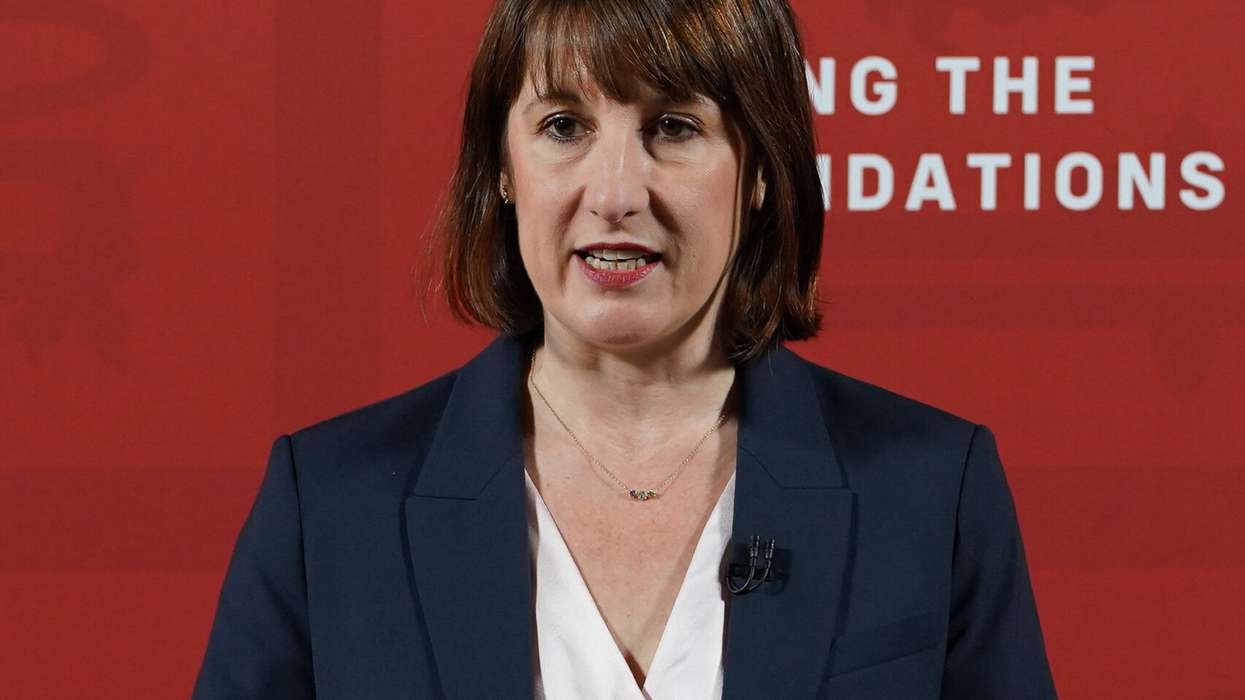
Rachel Reeves has indicated she is willing to consider a temporary freeze on rents across England, as the government looks for ways to ease pressure on households facing rising costs linked to the Iran war.
The idea, first reported as part of internal discussions, centres on a possible one-year block on rent increases in the private sector, aimed at limiting the immediate impact of higher living costs. The proposal has not been confirmed, but Reeves’ latest comments suggest it is actively being examined.
Speaking in Parliament, she said she would do “everything” in her power to reduce the cost of living, including for renters, reportedly said. She added that while mortgage holders have benefited from falling borrowing costs, support for those in rented homes also needs to be addressed, particularly as global tensions risk feeding into domestic expenses.
A shift in stance as pressure builds
If introduced, a rent freeze would mark a notable shift in approach. Reeves has so far avoided direct rent controls in the private sector, even as the government prepares to roll out broader reforms through the Renters’ Rights Act.
The proposed measure is being framed as a short-term response to external pressures rather than a long-term policy change. With the Iran conflict pushing up energy costs and feeding into wider inflation, the Treasury appears to be exploring options to contain knock-on effects on households.
The reported plan would apply to existing tenancies, preventing landlords from increasing rents for a fixed period. New-build properties are likely to be excluded, in part to avoid discouraging construction activity at a time when housing supply remains tight.
The political timing is also hard to ignore. With local elections approaching, the move could be seen as an attempt to appeal to renters, particularly in urban areas where housing costs have been a persistent concern. The Green Party has long supported rent controls, and Labour is expected to face competition in several councils.
Also read: Why Jobs No Longer Guarantee Renting a Home in the UK | EasternEye
Pushback from landlords and opposition voices
The proposal has already drawn criticism from policy groups and opposition figures, who argue that limiting rent increases could have unintended consequences.
Robert Colville from the Centre for Policy Studies described the idea as a significant intervention in the private market, reportedly said, suggesting that increasing housing supply would be a more effective way to bring down rents.
Conservative housing spokesperson James Cleverly warned that a freeze could lead landlords to exit the market, reportedly said, reducing the number of available properties and potentially driving up rents for new tenants instead. He pointed to Scotland as an example where similar measures were followed by sharper increases in new rental prices.
These concerns reflect a broader debate around rent controls. Supporters argue they provide immediate relief for tenants facing rising costs, while critics say they can distort the market and reduce long-term supply.
For now, the proposal remains under consideration. But Reeves’ willingness to explore a rent freeze signal how far the conversation has shifted — from reforming tenant rights to directly intervening in pricing, if only temporarily.




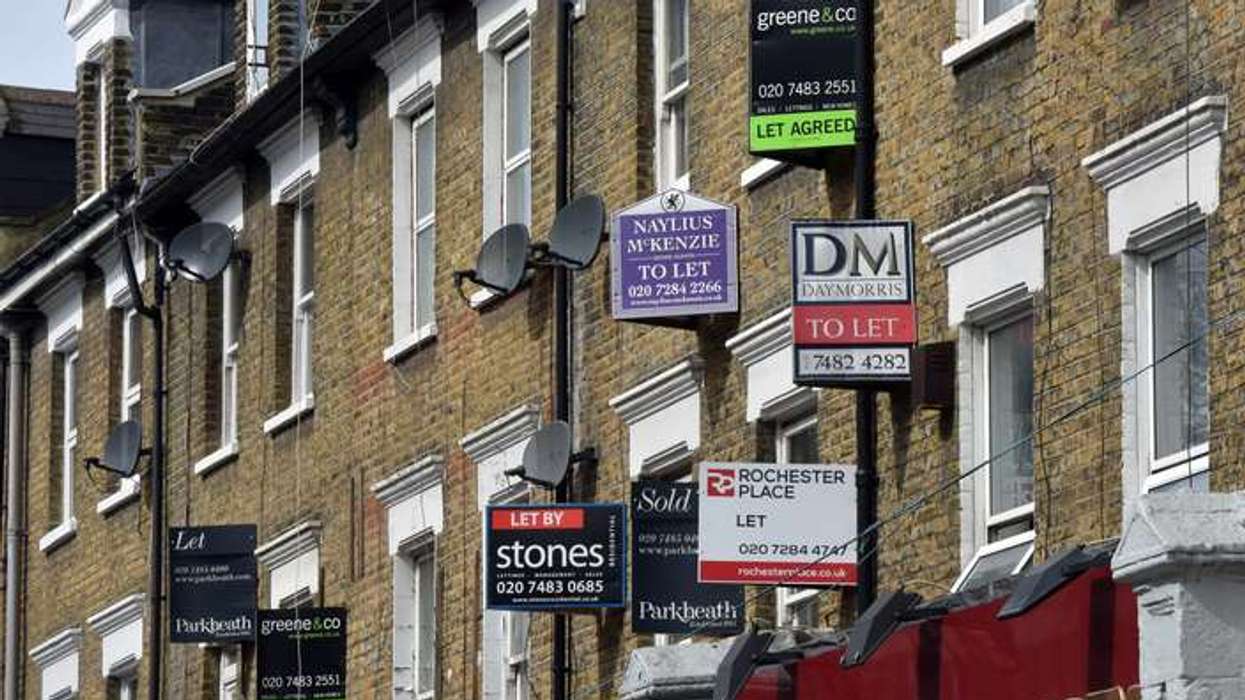
 Rental insuranceiStock
 Young worker iStock