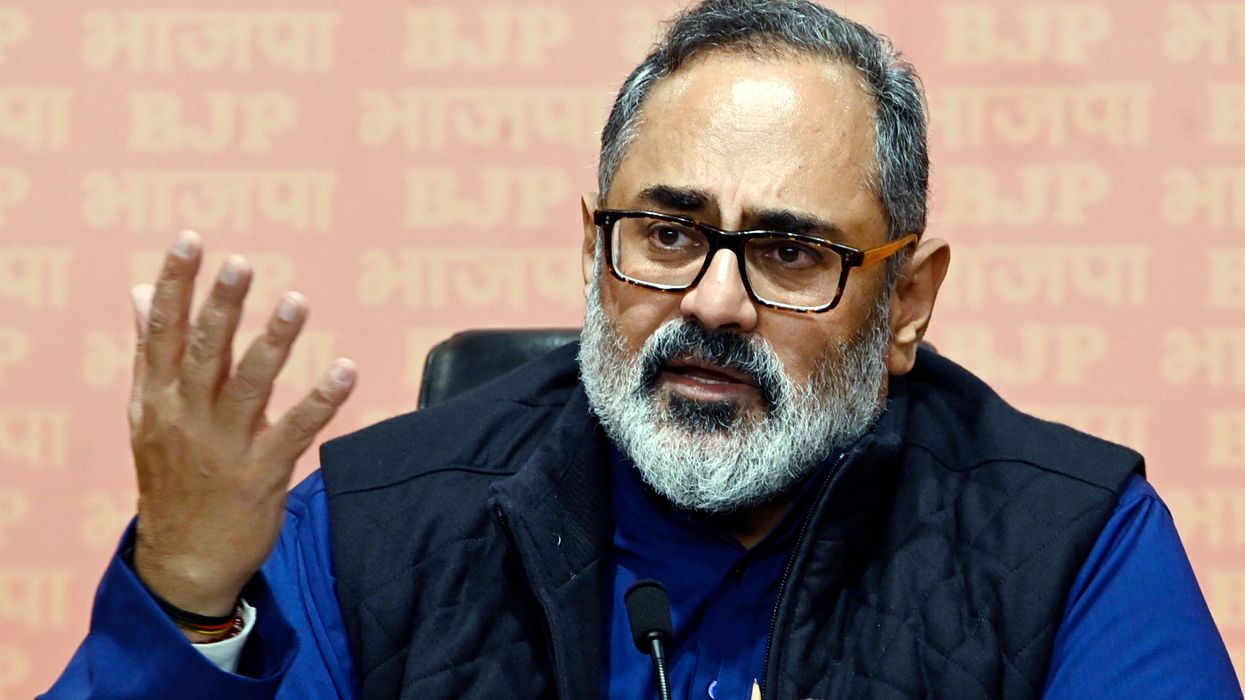

INDIA has made significant strides in the semiconductor sector in the last two years during which the government received investment proposals of Rs 2.5 trillion (£24 billion) from global chip makers, minister Rajeev Chandrasekhar has said.
In the last 10 years, India has moved out of the league of 'Fragile Five' and become the world's fifth largest economy, he added.
Speaking at the 'Viksit Bharat Ambassador Meet' organised in Pune on Wednesday (28), Chandrasekhar said India has become a source of inspiration for countries across the world in terms of its inclusive policies.
"We have become a beacon of hope and inspiration for countries across the world in terms of our inclusive policies, in terms of how you transform governance and make governments work for people. In the next few years, the prime minister has set a target for India to become 'Viksit Bharat'," he said.
Talking to reporters on the sidelines of the event, Chandrasekhar said that in 2022, prime minister Narendra Modi announced a semiconductor policy and it instantly attracted global attention.
"Today, investment proposals of more than £24bn have been received by the government from global semiconductor majors. India is fast becoming a semiconductor nation. Just two years ago, it was not even present in the semiconductor ecosystem of the world," the minister stated.
(PTI)