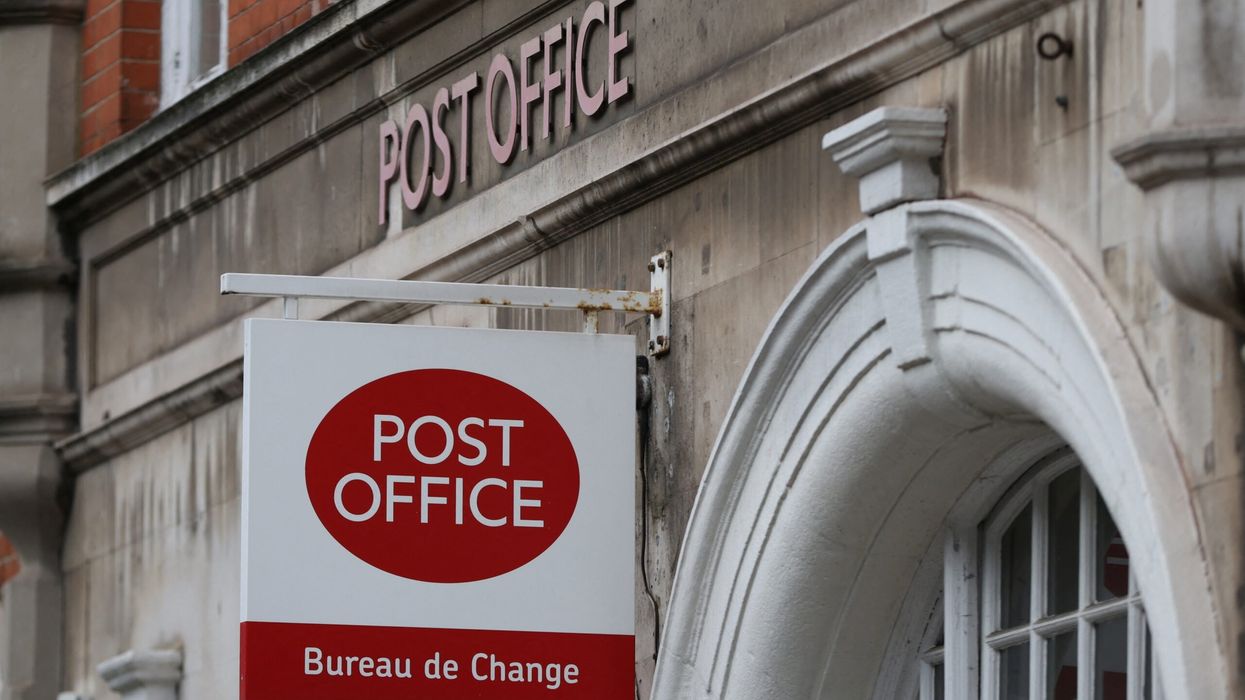

THE technology head of Post Office is stepping down after a year in the role as the project to replace the troubled Horizon IT system continues to face significant delays and escalating costs, reported the BBC.
Chris Brocklesby, who was appointed as "chief transformation officer" in August 2023 on a one-year contract, is set to leave on 6 September. His departure was announced in a message to Post Office employees by interim chief executive Owen Woodley.
The Post Office has been grappling with the challenge of replacing the Horizon computer system, originally supplied by Fujitsu. Efforts to build a new system using Amazon’s cloud computing services were scrapped in 2022. As a result, the Post Office has spent over £95 million to extend the Horizon contract until April next year.
The complexity and age of the Horizon system have made the transition to a new system both expensive and technically difficult.
According to reports, a fully operational replacement may not be ready until the end of the decade. Horizon, which was introduced in 1999 after a problematic development phase by ICL (now Fujitsu), has been at the centre of one of the country's largest miscarriages of justice.
Faulty data from the system led to the wrongful conviction of hundreds of sub-postmasters for theft and false accounting, a scandal that is still under investigation.
In 2015, the Post Office enlisted IBM to develop a replacement for Horizon, but that project was also abandoned. Despite these setbacks, the Post Office has made some progress, with pilots for the new system currently running in five branches.
According to the report, the company has requested additional funding from the Department for Business and Trade to continue the project.
A Post Office spokesperson credited Brocklesby with advancing the firm's technology and laying a strong foundation for the eventual replacement of Horizon. Andy Nice, the former transformation director at Camelot, will take over from Brocklesby.






 Curator Emma Slocombe with ikat robes and arabachi coats in the Peter the Great Room in Blickling Hall Amit Roy
 View of the entrance to Blickling Hall on a rainy autumn dayAmit Roy
 Kente cloth from Ghana in the Long Gallery in Blickling Hall
 Decoration in the Great Hall at Blickling Hall Amit Roy
 Palampore fragment made in coastal south-east India in the Brown Room in Blickling Hall Amit Roy
 Bed valance dating from early 1700s in the Italian Print Room at Blickling Hall Amit Roy
 Indian inspired fabric draped on sofas in the South Drawing Room in Blickling Hall Amit Roy
 Indian inspired fabric draped on sofas in the South Drawing Room with Indian carpet in Blickling Hall Amit Roy
 Karun Thakar has picked out the geometric patterns in the bookcase and the Kente cloth in the Long Gallery in Blickling Hall Amit Roy
 Large tapestry depicting Peter the Great defeating the Swedish army at the Battle of Poltava in 1709 Amit Roy
 ikat robes and arabachi coats in the Peter the Great Room in Blickling Hall Amit Roy
 Baghs and kanthas made by women provide contrast to the men only portraits in the Great Hall at Blickling Hall Amit Roy
 Baghs and kanthas in the entrance Great Hall at Blickling Hall Amit Roy
 Baghs and Kanthas in the Great Hall in harmony with stained glass window at Blickling Hall Amit Roy
 Kimonos reflect Japanese influence in Upper Ante Room in Blickling Hall Amit Roy
 Kimono in Upper Ante Room in Blickling Hall
 A view of the Palace and fort at Agra shows romantic side of India Amit Roy
 Blickling Hall Amit Roy
 Table carpet, European 1670-1680 Amit Roy
 Unfinished 17th century Italian embroidery in the Print Room at Blickling Hall Amit Roy
 Picture of Kashmir shows a romantic view of India Amit Roy
 A panel of Ashburnham bed hangings made in Gujarat for sale in Europe in the Brown Room in Blickling Hall Amit Roy
 Colcha made in the 1600s by women in Bengal for the Portuguese market in the Long Gallery at Blickling Hall Amit Roy