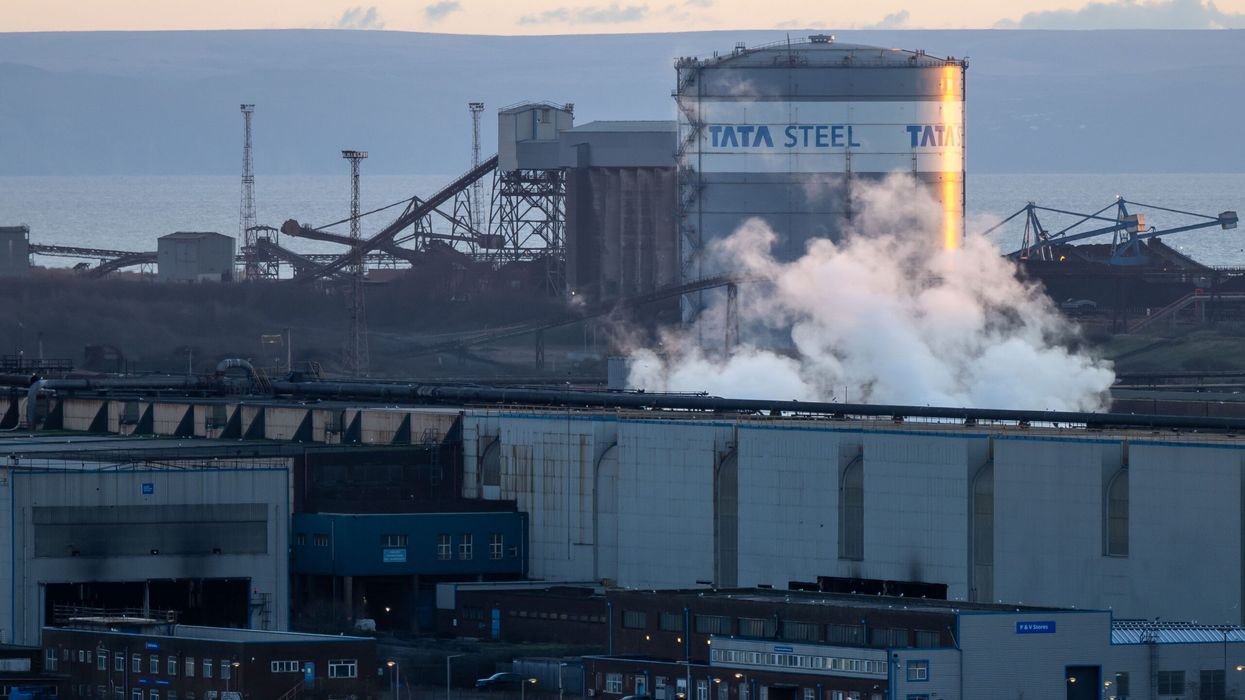

TATA Steel’s UK operations reported a pre-tax loss of £1.12 billion for the year ending March 2023, driven by costs associated with the closure of two blast furnaces at its Port Talbot site in South Wales. This marks a significant increase from the £279 million loss recorded in the previous year.
The company wrote off £619m in restructuring, impairment, and disposal costs related to shutting down the furnaces and coke ovens, with the first furnace closing in July and the second in September, according to The Guardian. These closures are expected to result in 2,500 job losses.
Revenues for Tata Steel UK fell by 16 per cent to £2.63 bn due to declining steel prices and volumes. The closures are part of a transition to greener steel production, with plans to construct a £1.25 bn electric arc furnace at Port Talbot.
The UK government is contributing £500m towards the project, while Tata will invest £750m. The new furnace, expected to be operational by 2027, will produce 3.2m tonnes of steel annually from scrap metal and create around 500 construction jobs.
The shift to scrap-based steelmaking is projected to reduce emissions at Port Talbot by over five million tonnes annually. However, unions and politicians have raised concerns about the potential impact on the UK’s economy and its ability to produce raw steel.
Separately, the UK government is reportedly considering nationalising British Steel, which operates the country’s last blast furnaces at Scunthorpe and is owned by China’s Jingye Group.
Tata Steel acquired Port Talbot and Scunthorpe as part of its £6.2 bn purchase of Corus in 2007.