
INDIAN police said on Tuesday (16) that one of the two gunmen behind Australia's Bondi Beach mass shootings, Sajid Akram, was an Indian citizen who had left the country 27 years ago.
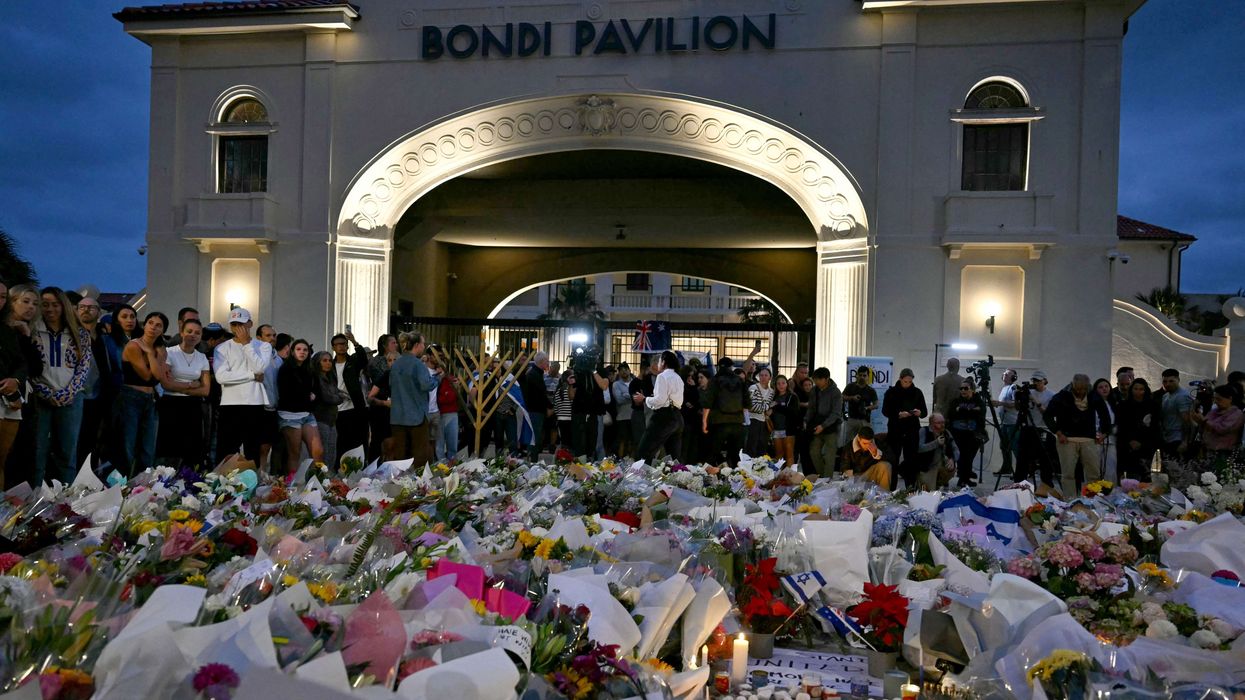
Akram and his son Naveed - who is listed on Australian immigration records as an Australian citizen, according to authorities - opened fire on people celebrating the Jewish festival of Hanukkah last Sunday (14), killing 15.
"Sajid Akram is originally from Hyderabad, India. He... migrated to Australia in search of employment approximately 27 years ago, in November 1998," police in India's southern state of Telangana said in a statement.
"As per information available from his relatives in India, Sajid Akram had limited contact with his family in Hyderabad over the past 27 years," the statement added.
"He visited India on six occasions after migrating to Australia, primarily for family-related reasons such as property matters and visits to his elderly parents. It is understood that he did not travel to India even at the time of his father's demise."
Australia's prime minister Anthony Albanese said the father and son who carried out one of the country's deadliest mass shootings were driven by "Islamic State (Daesh) ideology". Authorities said the attack was designed to sow panic among the nation's Jews.
Telangana police said they had "no adverse record" against Sajid while he had been in India prior to his departure.
"The family members have expressed no knowledge of his radical mindset or activities, nor of the circumstances that led to his radicalisation", the statement read.
"The factors that led to the radicalisation of Sajid Akram and his son, Naveed, appear to have no connection with India or any local influence in Telangana", it added.
Australian police said both men had travelled to the Philippines last month, the father on an Indian passport and the son was on an Australian one. The purpose of the trip is under investigation, officials said, adding it was not conclusive they were linked to any terrorist group or whether they received training in that country.
Police found a car registered to Naveed parked near the beach in the aftermath of the shooting, in which they found improvised bombs and "two homemade ISIS flags", New South Wales Police commissioner Mal Lanyon said.
Authorities are also facing mounting questions over whether they could have acted earlier to foil the attack.
Albanese said Naveed, reportedly an unemployed bricklayer, had come to the attention of Australia's intelligence agency in 2019, but was not considered an imminent threat at the time.
"They interviewed him, they interviewed his family members, they interviewed people around him," Albanese said. "He was not seen at that time to be a person of interest."
Police are still piecing together the duo's movements before the shooting. Naveed reportedly told his mother on the day of the attack that he was heading out of the city on a fishing trip. Instead, authorities believe that he was holed up in a rental apartment with his father plotting the assault.
Carrying long-barrelled guns, they peppered the beach and a nearby park with bullets for 10 minutes before police shot and killed 50-year-old Sajid. Naveed, 24, remains in a coma in hospital under police guard.
(Agencies)



 Conservative Friends of India members at the reception in BirminghamCFI