CONSIGNMENTS of Indian tea are being sent back because of the presence of excessive chemicals, amidst fears they are unfit for human consumption.
Media reports last month said Taiwan and Iran sent back three containers of Indian tea, clouding New Delhi’s efforts to fill up the gap caused by the short supply from a crisis-hit Sri Lanka.
India aims to export 220-225 million kg of tea this year, up from 196.54 million kg achieved last year.
The rejection of Indian consignments came after the Federation of All India Traders Associations (FAITTA) said various teas sold at auctions in India failed to meet the testing parameters set by the FSSAI (Food Safety and Standards Authority of India) and are unfit for human consumption.
In a communication to the Tea Board of India in May, it said the failure rates ranged between 15 per cent and 40 per cent because of the presence of chemicals beyond the maximum residue limits. The FAITTA, which engages Eurofins Analytical Services for testing, said the teas which did not meet the standards could not be used in blends, packaged or retailed.
Expressing similar views, the India Tea Exporters Association (ITEA) said the export of Indian tea was impacted by the rejection of consignments.
ITEA chairman Anshuman Kanoria said most countries followed EU standards which were more stringent than FSSAI regulations. He criticised the calls for making Indian regulations more liberal, saying it would send a wrong signal as tea was considered a health drink.
FSSAI is believed to have raided tea warehouses randomly and found that much of India's teas did not meet the standards required for human consumption.
Newby Teas, which said it was the only tea brand in the world with a state of the art packing and preservation to safeguard the character of its products, started a campaign in 2018 to expose the malpractice in the industry which adversely affected end consumers.
The UK-registered firm, whose products are approved by Eurofins, said because of its efforts, the Indian government chose to appoint the French testing services company to certify teas produced in India.
Nirmal Sethia, the chairman of Newby Teas, said he had complained about the presence of fluorides and pesticides in teas and the FSSAI’s decisions vindicated his position, according to a Hindustan Times report.
Sethia said Newby, which met both EU and US standards, “is the number one tea brand” in the world in terms of safety. He said because of the stringent measures Newby adopted to guarantee safety, the cost of production at the company was around twice that of other gardens. He said other firms are reluctant to adopt similar measures.
Newby is part of the N Sethia Foundation and all its profits go to the British charity.
Pesticide storm in teacup: Excessive chemicals make brew ‘unfit for consumption’
India aims to export 220-225 million kg of tea this year, up from 196.54 million kg achieved last year






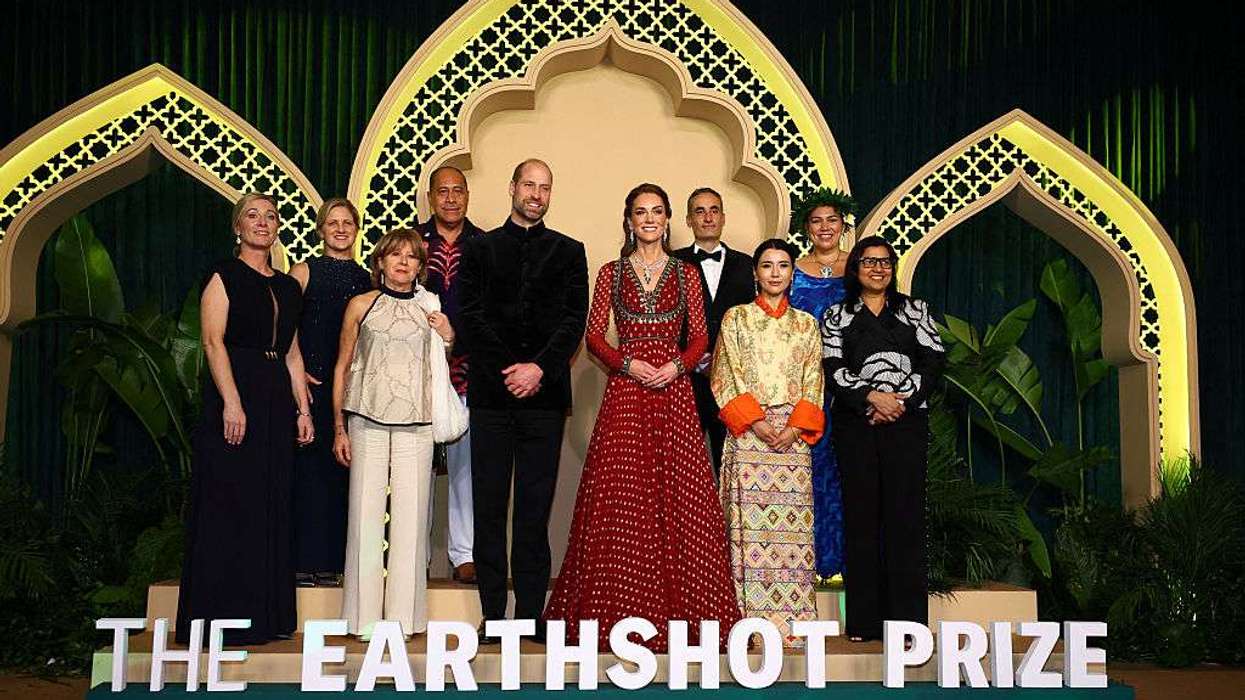
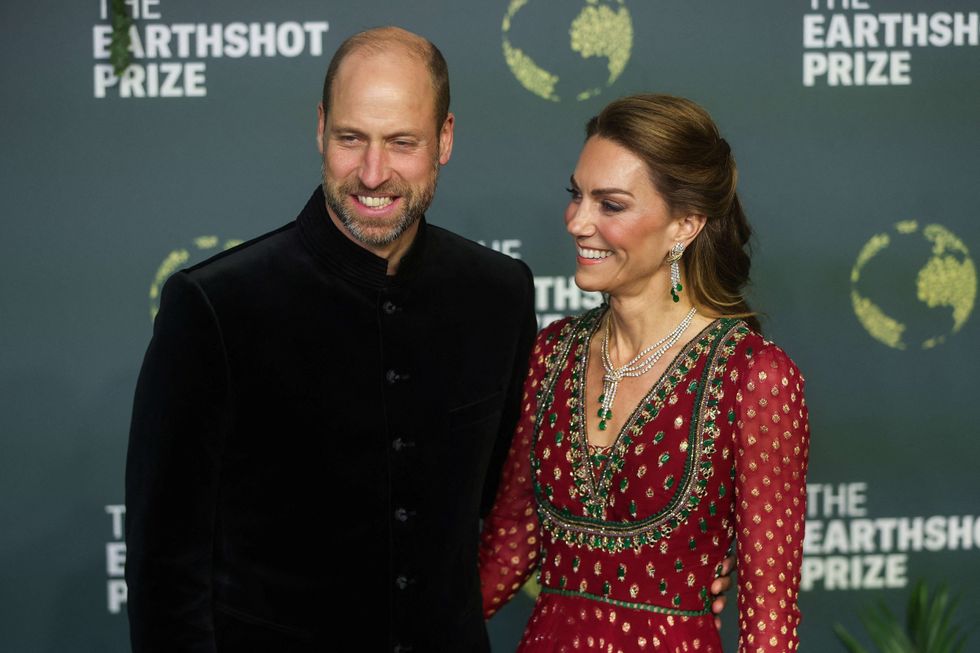 William and Catherine, Prince and Princess of Wales arrive for the Earthshot Prize Awards night at the Jio World Convention Centre, on the second day of their visit, for the sixth annual Earthshot Prize Awards, in Mumbai, India, November 17, 2026. REUTERS/Francis Mascarenhas