Pakistan needs significant additional financing for a successful completion of the long-stalled ninth review of the International Monetary Fund's bailout package, the IMF said on Thursday (11).
Obtaining commitments of "significant additional financing" is essential before the IMF approves the release of pending bailout funds that are crucial for Pakistan to resolve an acute balance of payments crisis.
A staff-level accord to release a $1.1 billion tranche out of a $6.5 bn IMF package has been delayed since November, with nearly 100 days gone since the last staff level mission to Pakistan. That is the longest such gap since at least 2008.
Julie Kozack, IMF spokeswoman, said that financing already committed by Pakistan's external partners was welcomed.
The United Arab Emirates, Saudi Arabia and China came to Pakistan's assistance in March and April with pledges that would cover some of the funding deficit.
Pakistani finance minister Ishaq Dar said during a seminar that the country would not default, with or without the IMF.
On Thursday, Pakistan's central bank reserves fell $74 million to $4.38 bn, barely a month's worth of imports.
"Our team is very heavily engaged of course with the Pakistani authorities, because Pakistan indeed faces a very challenging situation," said Kozack.
She added that the large south Asian economy was facing stagflation and had also been battered by a series of shocks including severe floods.
Cross-subsidy programme dropped
Pakistan has committed not to implement a cross-subsidy programme, an IMF spokesperson told Bloomberg News. The government also will not introduce new tax exemptions and will “durably allow” a market-based exchange rate for the rupee currency, the IMF told Bloomberg on Thursday.
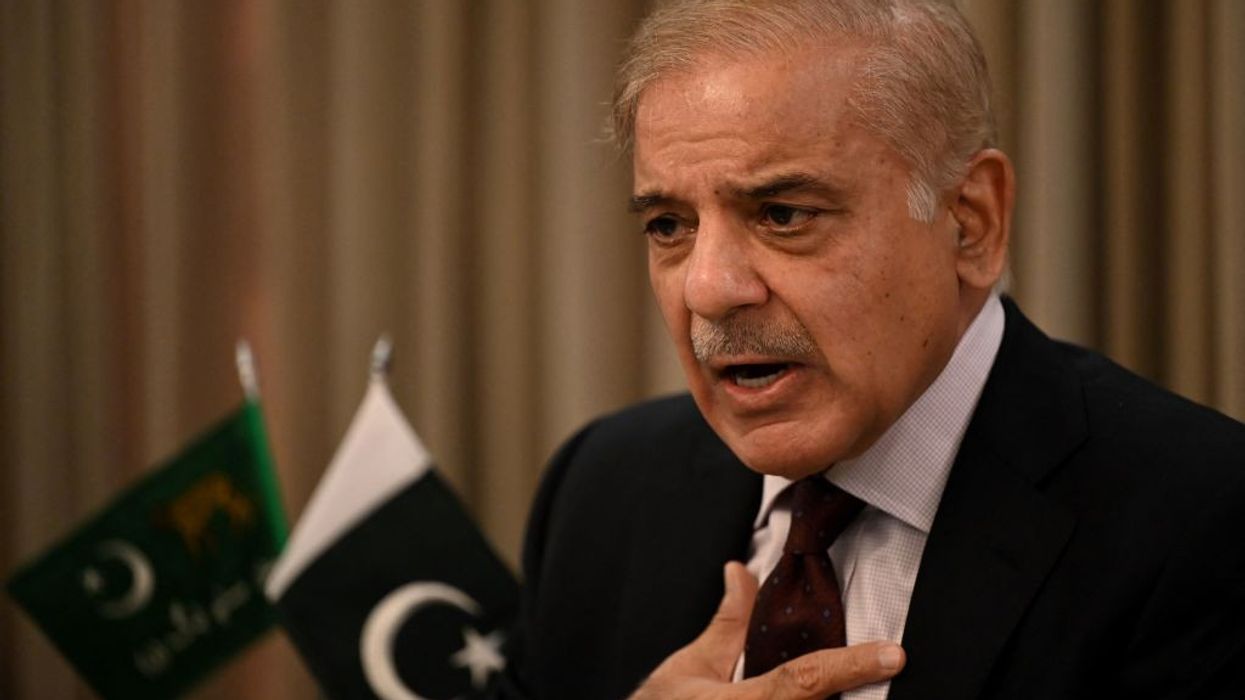
In March, Prime Minister Shehbaz Sharif proposed charging affluent consumers more for fuel, with the money raised used to subsidise prices for the poor who have been hit hard by inflation. The proposed scheme was seen as one of the reasons for the delay in implementing the IMF bailout.
The cash-strapped country of 220 million people now faces a fresh set of challenges in the form of political turmoil.
The rupee fell 2.91 per cent against the greenback on Thursday to close at a new low of 298.93 rupees.
"The debt to risk cost is very high. It’s very difficult to see how the country manages to service its debt over the next few years," said Diliana Deltcheva, Head of Emerging Market Debt at Candriam.
Risk premiums were more likely to rise than fall, she said.
“We do expect as a team that there are a few countries that may not make it over the near to medium term. Pakistan is on that list next to Egypt and Kenya. We think they might require some sort of debt restructure," said Deltcheva.
(Reuters)
Pakistan needs significantly more financing for bailout review: IMF
A staff-level accord to release a $1.1 billion tranche out of a $6.5 bn IMF package has been delayed since November