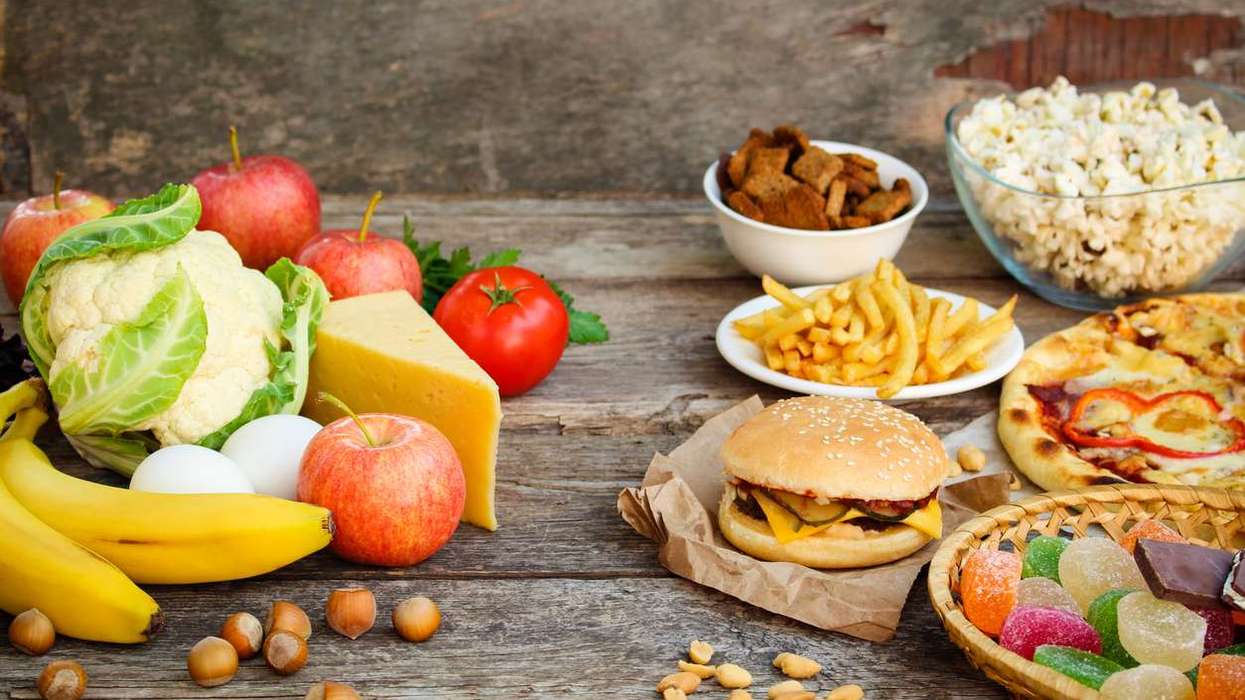

With diet trends constantly circulating online, it can be difficult to separate meaningful advice from the latest health trend. To better understand what sustainable nutrition really looks like in everyday life, I recently sat down with personal trainer and fitness instructor Erhan Aksu to talk about diet, lifestyle and the small changes that can make a lasting difference.
In an age of quick-fix diets and social media influencers, many of us feel overwhelmed when trying to maintain a healthy lifestyle. Speaking with Erhan offered a refreshing perspective - rooted in practicality and balance.
Erhan’s path into fitness grew out of a desire to connect his personal interests with his professional life. Enjoying both social interaction and exercise, becoming a personal trainer allowed him to bring these passions together. The role also offered a sense of connection in the aftermath of the pandemic, when many people were searching for ways to rebuild their community after isolating.
Alongside his role as a personal trainer, Erhan completed a 15-week nutritional guidance qualification. The course enabled him to explore the science behind nutrition in more depth, examining what a sustainable, healthy diet looks like in practice - and more importantly, how this can differ from person to person. A key lesson was that nutritional advice needs to consider social realities - factors such as income, access to food, and dietary requirements all influence what people are able to eat.
This is particularly relevant in the current UK context, with recent research from The Food Foundation showing that more than 1 in 10 people (11%) in the UK are experiencing food insecurity, and this rises to almost 1 in 7 for households with children (15%). For all food insecure households, over half report cutting back on fruit and vegetables due to concerns about money. 78% of respondents agreed that if healthy food was more affordable, it would enable their household to eat more of it.
Against this backdrop, Erhan emphasises that improving nutrition should not involve completely overhauling someone’s diet overnight. Instead, the focus should be on gradual, manageable changes that fit within people’s lifestyles.
“It needs to be realistic, achievable and affordable.”
Rather than prescribing rigid meal plans, he begins by asking simple questions: What foods do you enjoy? What does your daily routine look like? What feels manageable within your schedule?
Through his fitness work with clients, Erhan sees first-hand the barriers many people face when trying to improve their eating habits:
●Time is often a major factor, particularly for those juggling demanding work schedules
●Access and affordability also play a role, as healthier food options are not always readily available
●Some people lack cooking skills or confidence in the kitchen
●Others might be limited by small cooking spaces or shared accommodation
●Behaviour change and altering long standing habits takes time
So what practical steps can people take?
For Erhan, the answer lies in incremental progress. No single dietary approach works for everyone, and improving nutrition is rarely about achieving ‘perfection’. Instead, it is about setting a clear goal and making small adjustments along the way - whether that means swapping out certain snacks for healthier alternatives or gradually introducing more balanced meals.
Looking ahead, Erhan believes that two trends are likely to shape the future of nutrition advice.
1.The first is the continued influence of social media. Platforms have popularised numerous diet trends - from ketogenic diets or fad regimes. While some may offer short-term benefits, eliminating entire food groups can lead to nutrient deficiencies if not carefully managed.
2.The second trend is the growing role of artificial intelligence in our everyday lives. Their ability to analyse large bodies of research and generate personalised meal plans offers a great opportunity. However, Erhan notes that these tools also carry risks if used without proper guidance. For example, AI may recommend weight-loss programmes without providing advice on how long they should be followed or how they fit into a broader health plan.
In an industry that is becoming increasingly crowded with competing voices, the risk of misinformation is very real. Erhan advises people to compare sources, verify information and seek guidance from qualified professionals such as dietitians or their GP where needed.
Beyond professional expertise, Erhan’s own cultural background has also shaped his approach to food. As someone with Turkish Cypriot heritage, he grew up with a cuisine that reflects a blend of Mediterranean and Middle Eastern influences. Dishes often combine fresh vegetables, grain and meats - including favourites such as sarma, or stuffed vine leaves.
Today he continues to enjoy these foods while maintaining an active lifestyle. For him, these cultural dishes that he grew up with are not something to eliminate - but something that can be adapted and incorporated into a balanced diet. He explains it’s about being flexible, and including the food you love in a way that supports your goals.
Even his current favourite meal reflects this philosophy: barbecue Korean chicken with rice. I mean, who wouldn’t enjoy this?
Ultimately, Erhan believes that healthy eating should enhance our lives rather than restrict it. Nutrition should support wellbeing without limiting social connections or cultural traditions. The key, he says, is balance - and the understanding that lasting change rarely comes from dramatic overhauls, but from small, achievable steps taken over time.
If you’d like to learn more, you can reach Erhan here:
https://www.puregym.com/gyms/london-stratford/pers...
Instagram: @carbonfoodprints
TikTok: @carbonfoodprints




 From Spice Girls to spice aisles: Tropical Sun celebrates 30 years of changing British tastes
  Holi Celebrations with Tropical Sunhttps://wetransfer.com/