

The Netherlands has become the latest country to shift part of its gold reserves out of the United States, joining a small but growing group of central banks reassessing where they keep their bullion. Here is what is happening, and why.
Latest move
The Dutch central bank, De Nederlandsche Bank (DNB), said on Wednesday (2) it had moved 86 tonnes of gold out of vaults in New York and Ottawa to London, citing "increasing geopolitical unrest."
The transfer, carried out between March and August, involved both physical shipments and a series of buy-and-sell transactions designed to avoid melting down existing gold bars. DNB said the change would make its reserves faster to deploy in a crisis.
The reshuffle leaves the United States and Canada each holding 18.5 per cent of the Netherlands' 612.4-tonne gold stock, down from 31.3 per cent and 19.7 per cent respectively. London's share has risen to 32.1 per cent, while just under a third remains in the Netherlands itself.
Who else has moved gold?
The Netherlands is not the first to act. France's central bank sold 129 tonnes of gold held at the Federal Reserve Bank of New York between July 2025 and January 2026, roughly 5 per cent of its total reserves, and used the proceeds to buy an equivalent amount of gold now stored in Paris.
Germany's Bundesbank carried out a similar exercise in 2017, repatriating 300 tonnes of gold from New York to Frankfurt as part of a broader plan to hold most of its reserves domestically. It has since resisted renewed pressure to move further stock, telling German broadcaster ARD in January that New York "remains an important storage site" for its gold.
Not every country has followed suit. Germany and Italy have both faced domestic calls to repatriate reserves worth an estimated $245 billion but have so far kept the bulk of their holdings in New York.
Why is this happening?
1) Central banks are increasingly wary of concentrating gold in a single foreign jurisdiction, given the precedent set by Western sanctions freezing Russian state assets abroad in 2022.
2) Officials want reserves that can be mobilised quickly. DNB President Olaf Sleijpen said the move would make gold "the quickest for DNB to deploy in a crisis situation."
3) Diversifying across several vaults spreads legal, political and operational risk rather than relying on one or two locations.
4) Analysts point to a shift in the political and trade climate under the current US administration, which some central banks see as a reason to hold reserves elsewhere.
5) Some gold held in New York does not meet the exact bar specifications preferred by the most active bullion markets, making conversion to London-standard bars useful for future trading.
Why London?
1) London is home to the world's largest physical gold market, with weekly trading volumes reported at more than $900 billion, giving central banks room to buy, sell or lend large quantities without disrupting prices.
2) Gold held at the Bank of England is widely regarded as the most easily tradable in the world, since it meets the London Bullion Market Association's uniform "Good Delivery" standard.
3) The Bank of England has decades of experience acting as custodian for other central banks' gold, with well-established procedures for withdrawals and swaps.
4) Its position between Asian and American trading hours, alongside a dense network of refiners and bullion dealers, makes London a practical base for round-the-clock market access.
5) For European central banks in particular, London offers geographic proximity combined with a long-established legal system, an important factor when reserves may need to be accessed under pressure.
(Reporting based on agencies and central bank statements)





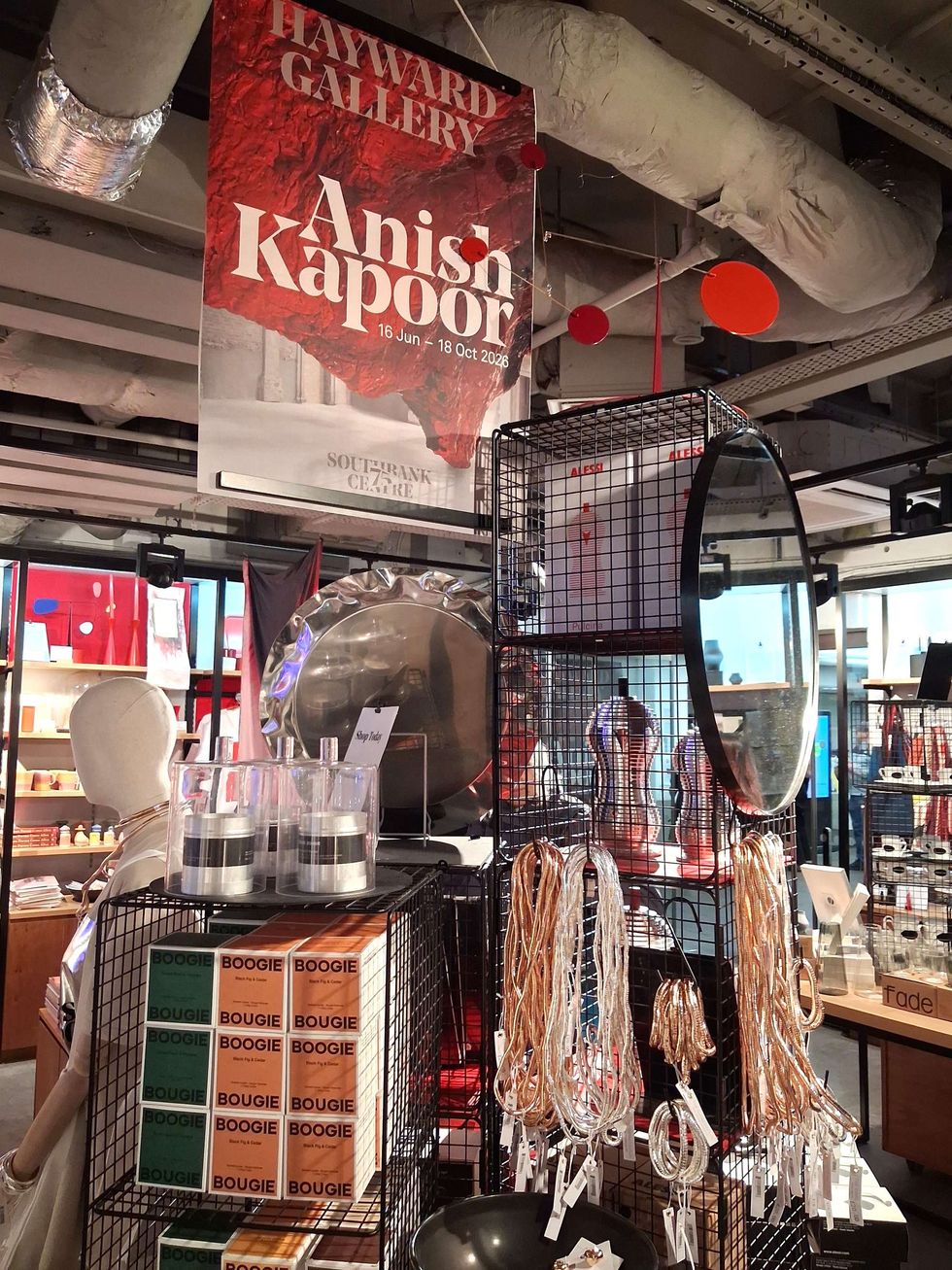 Anish Kapoor merchandise in the Hayward Gallery shopEastern Eye
 TsunamiEastern Eye
 CloakEastern Eye
 Untitled (work in Vantablack)Eastern Eye
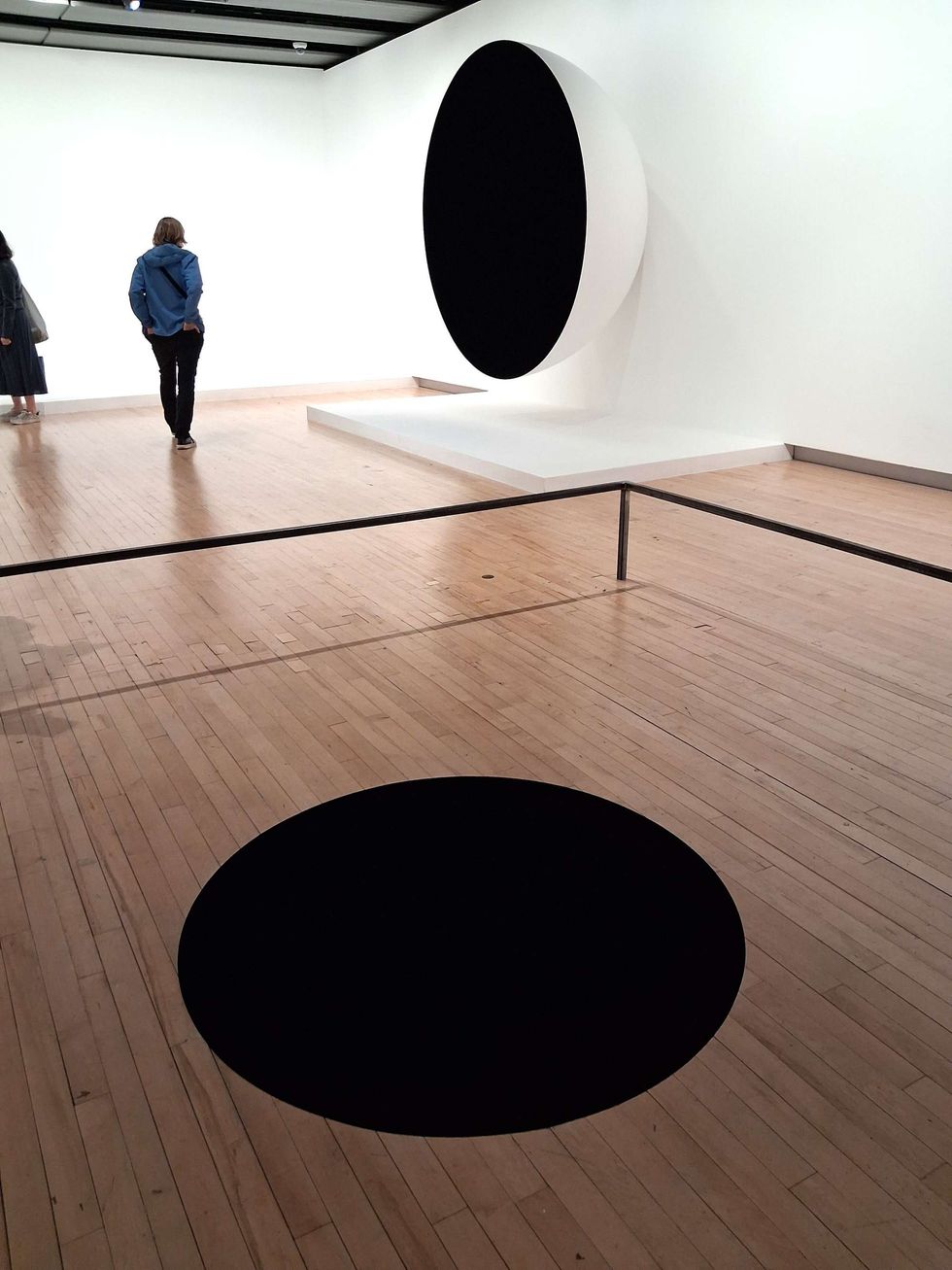 Descent into limbo (work in Vantablack)Eastern Eye
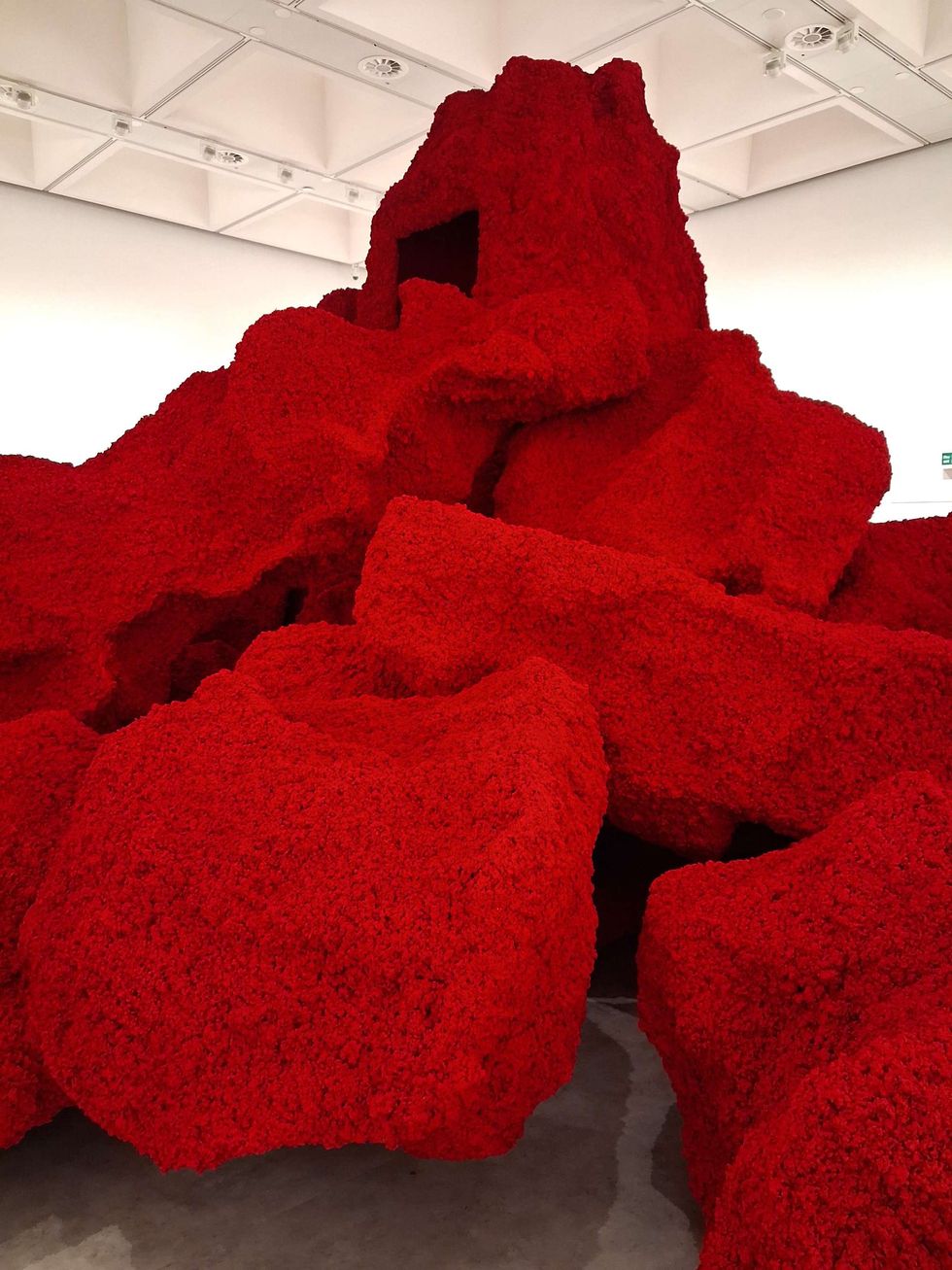 Ha MakomEastern Eye
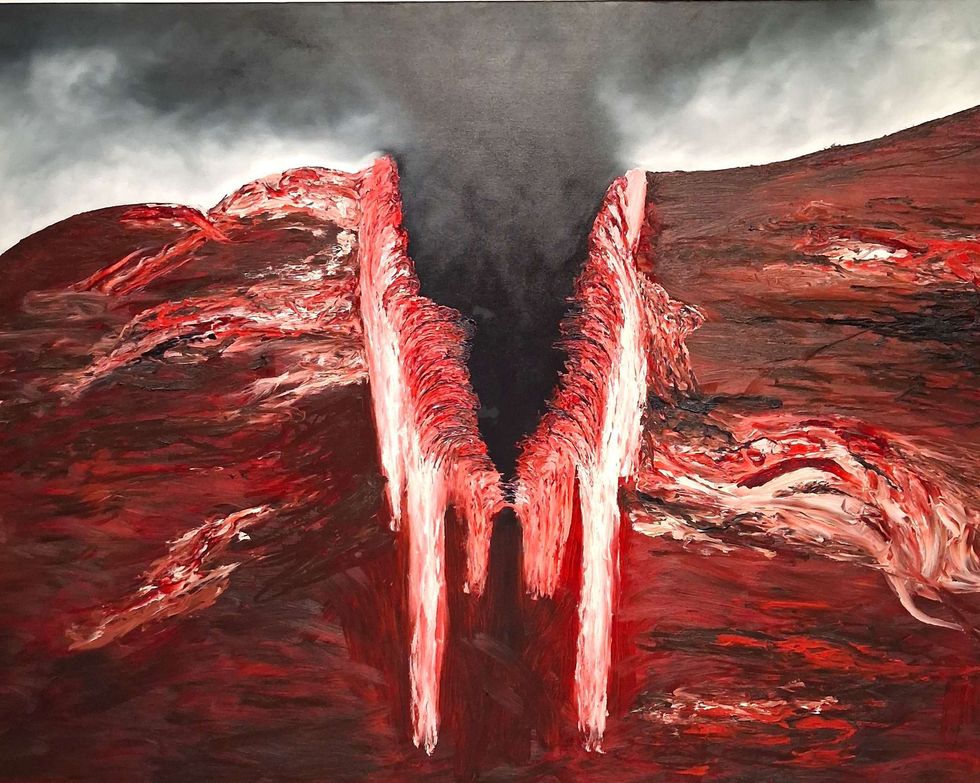 The Dark (oil on canvas)Eastern Eye
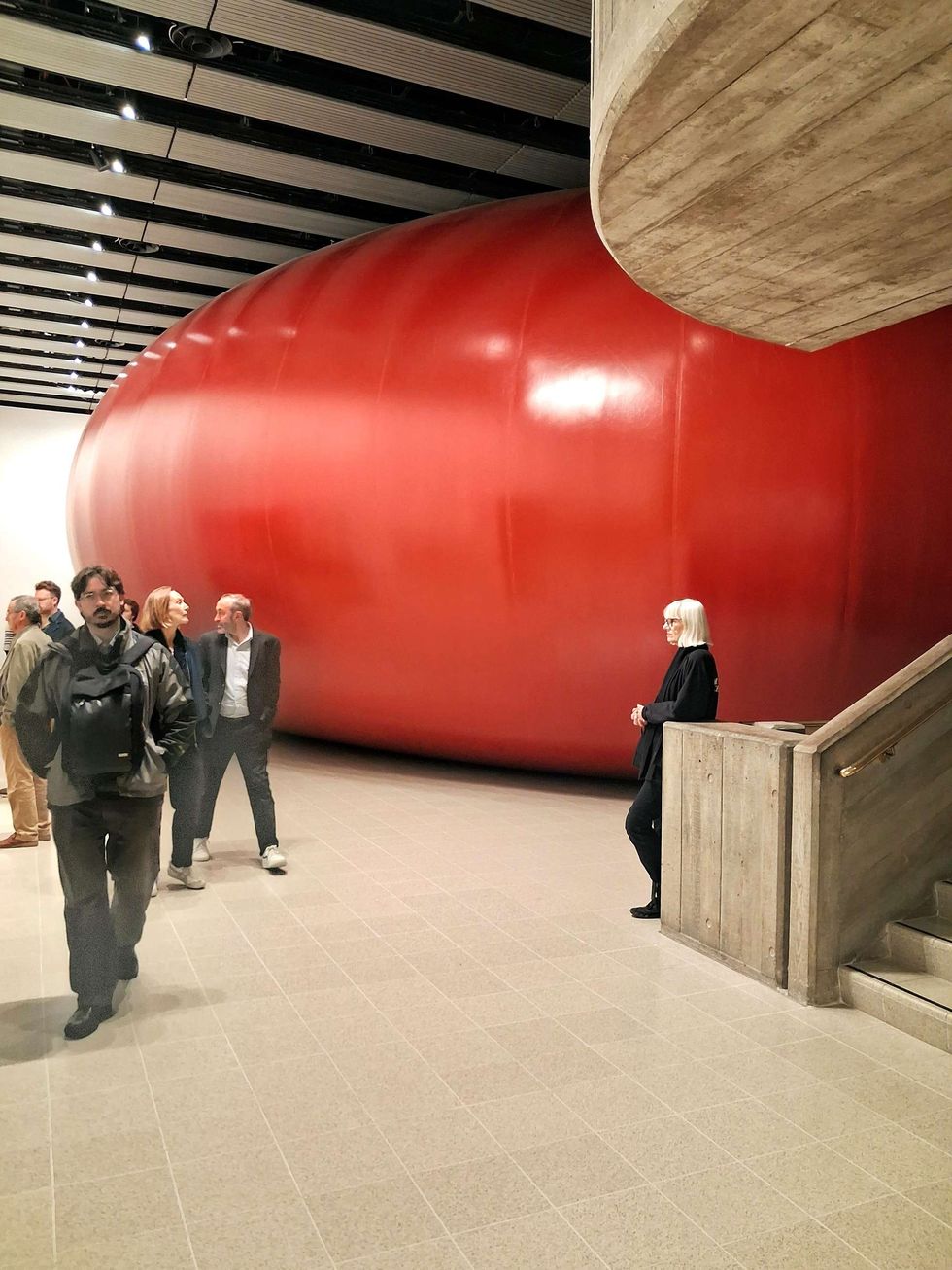 All is NothingEastern Eye
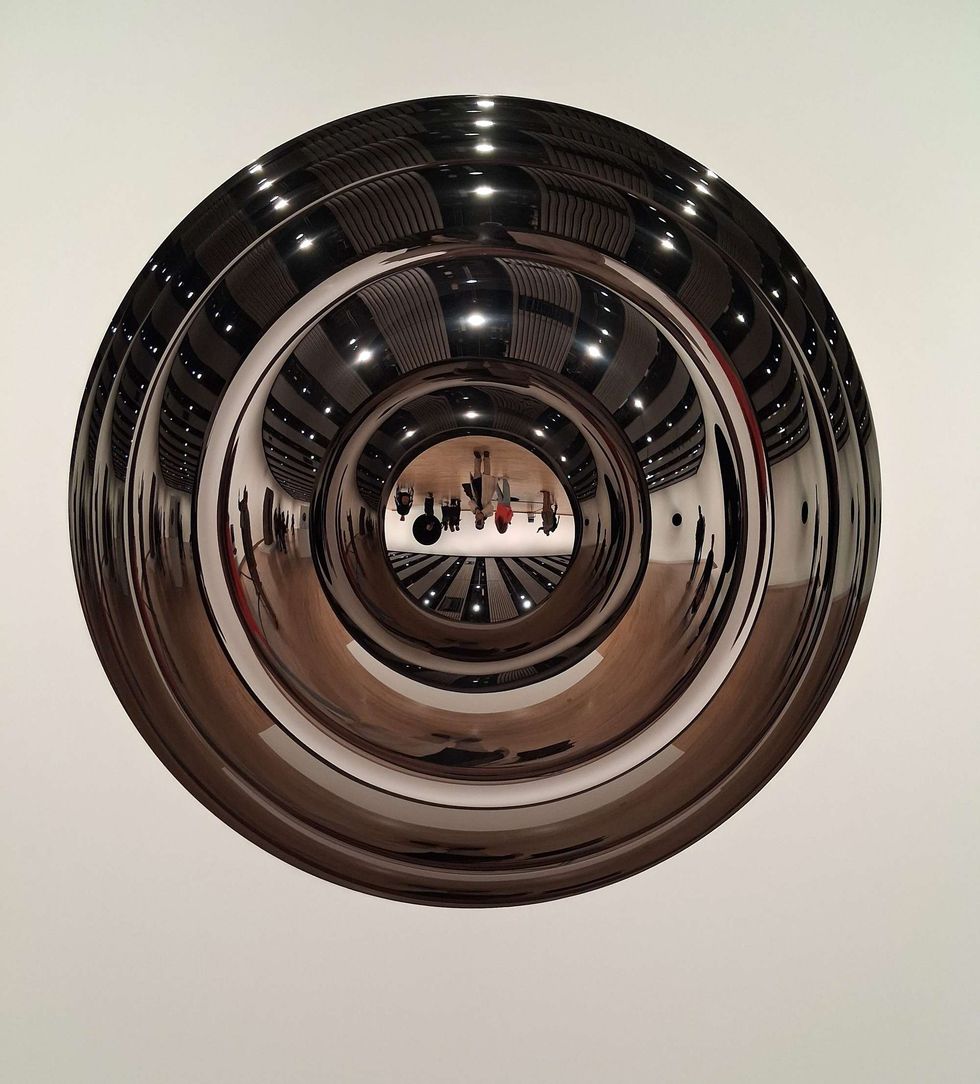 IrisEastern Eye
 Untitled (work in Vantablack) Eastern Eye
 Mount Moriah at the Gate of the GhettoEastern Eye
 Interior of the body: evocation of ritual sacrificeEastern Eye