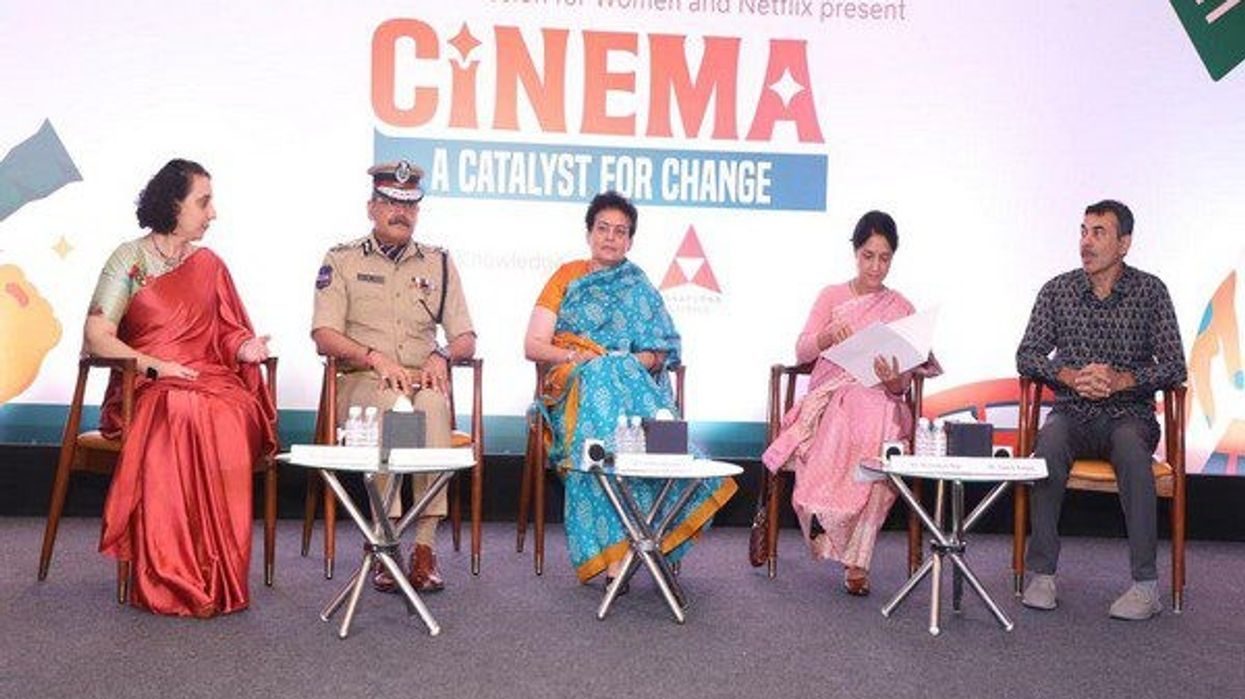

National Commission for Women (NCW), Netflix, and Annapurna Studios hosted a significant event in Hyderabad, centred around the theme of ‘Cinema as a Catalyst for Change’.
The event was graced by esteemed dignitaries, including Anjani Kumar, IPS, Director-General of Police, Telangana, Ambika Khurana, Director of Public Policy at Netflix, Abhishek Goradia, South Content Head at Netflix, renowned actress and NCW Honourable Member Khushboo Sunder, along with Parvathy Thiruvottiyur, Supriya Yarlagadda, and other eminent figures from the industry, as per the statement shared by NCW team.
The Chairperson of NCW, Rekha Sharma expressed how she feels while witnessing women making significant strides in cinema. She emphasised the persistent gender pay gap in the industry and called for recognition of women's worth, advocating for equality in pay. She urged everyone to keep the conversation alive, striving for a brighter, more inclusive future in the film industry.
At the event, DGP of Telangana, Anjani Kumar, shared his profound views on cinema's transformative power. He said, cinema is not merely for entertainment; it is a catalyst for change. He cited examples of mainstream blockbusters shedding light on critical societal issues such as widow remarriage, the plight of sex workers, and drug abuse. He stressed the importance of continuing the dialogue to reshape the narrative.
Member Secretary Meenakshi Negi echoed the sentiment that it's time for cinema to break free from stereotypes and portray women as strong, complex characters rather than damsels in distress. She called for a dialogue that transforms the way women are portrayed on the big screen, emphasising empowerment.
During the first panel discussion, the emphasis was placed on the collective responsibility of the industry to bring stories of courage to the forefront. The industry stakeholders acknowledged their role in championing narratives that inspire and empower. It was a consensus among the panelists that the power to shape perceptions and drive change lies in the stories they choose to tell.
The second panel was marked by thought-provoking discussions on pivotal issues. One significant question raised was the feasibility of creating commercially successful films with predominantly female casts and themes.
This prompted a deeper exploration of how OTT platforms have gained prominence, partly due to their appeal to a predominantly female audience, which differs from the traditional cinema-going demographic. These conversations underscored the importance of addressing gender representation not only in front of but also behind the camera to cater to evolving audience preferences.
This collaborative event marks a significant step in addressing gender disparities and advocating for diversity and inclusion within the film industry. Netflix, NCW, and Annapurna Studios remain committed to fostering change and driving meaningful conversations within the entertainment world.