

Keir Starmer’s plan to address the small boats crisis has encountered a setback as the top police officer chosen to combat illegal gangs has declined the position.
Neil Basu, the leading candidate for the head of the new Border Security Command, confirmed to The Times that he was one of several candidates asked to apply for the job but decided against it.
Yvette Cooper, the Home Secretary, is creating the new unit to target people-smuggling gangs responsible for small boat crossings, a key Labour manifesto pledge.
Sources confirmed to The Times that Basu was a frontrunner due to his counterterrorism experience.
As the former national head of counterterrorism, he managed the national command during high-threat periods, including six terror attacks like the Manchester Arena bombing. He was recognized for disrupting numerous plots and enhancing the Prevent strategy.
Basu has previously stated that the small boats issue should be addressed similarly to how authorities handle terrorism, with a coordinated strategy between departments.
Basu said on Thursday, “I was a very proud cop and crown servant who was very proud to do a very long and hard job of defending this realm. This job is very important, but I am no civil servant.”
The new Border Security Command is a key manifesto pledge, involving hundreds of specialist investigators and the use of counterterrorism powers to combat criminal boat gangs.





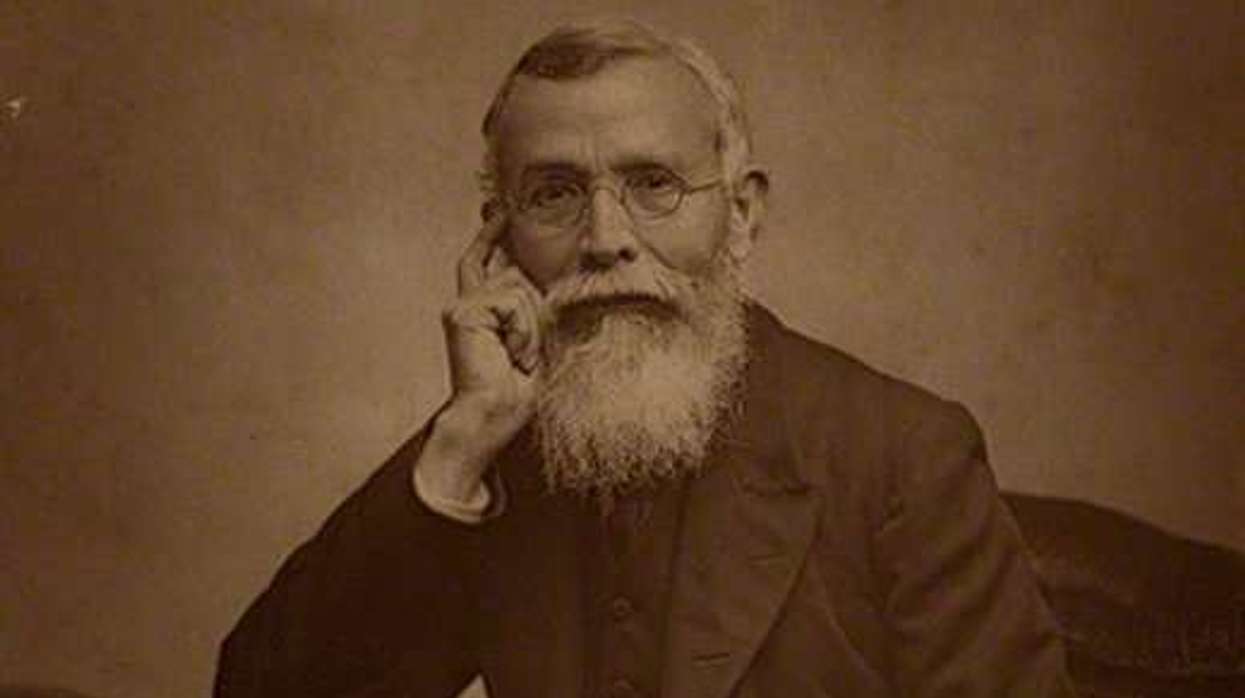
 One restored portrait of Dadabhai NaorojiThe Courtauld Institute of Fine Arts
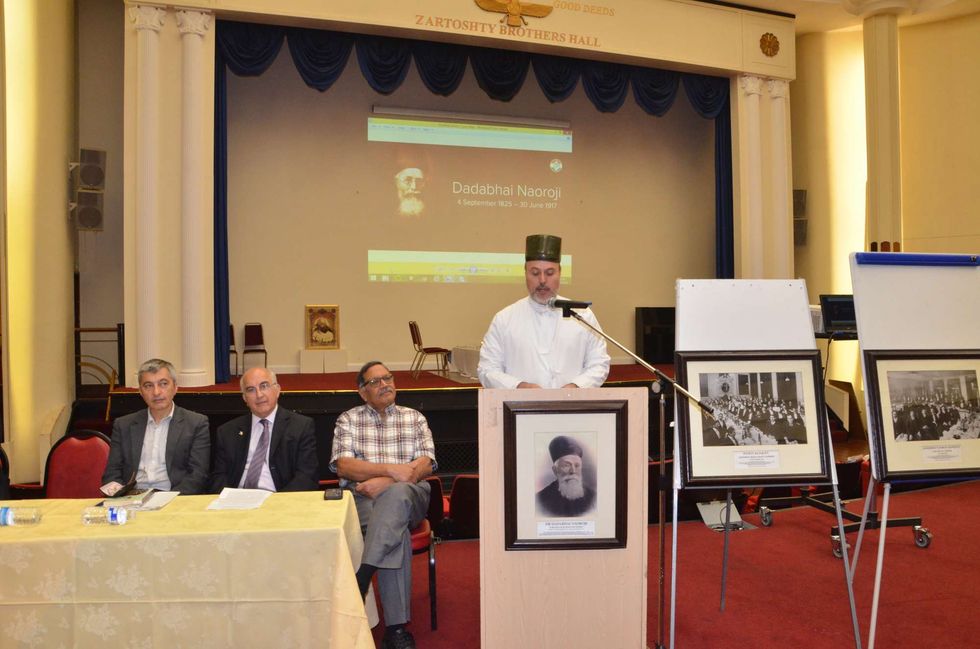 Malcolm Deboo speaking at Dadabhai Naoroji tribute Raj D Bakrania
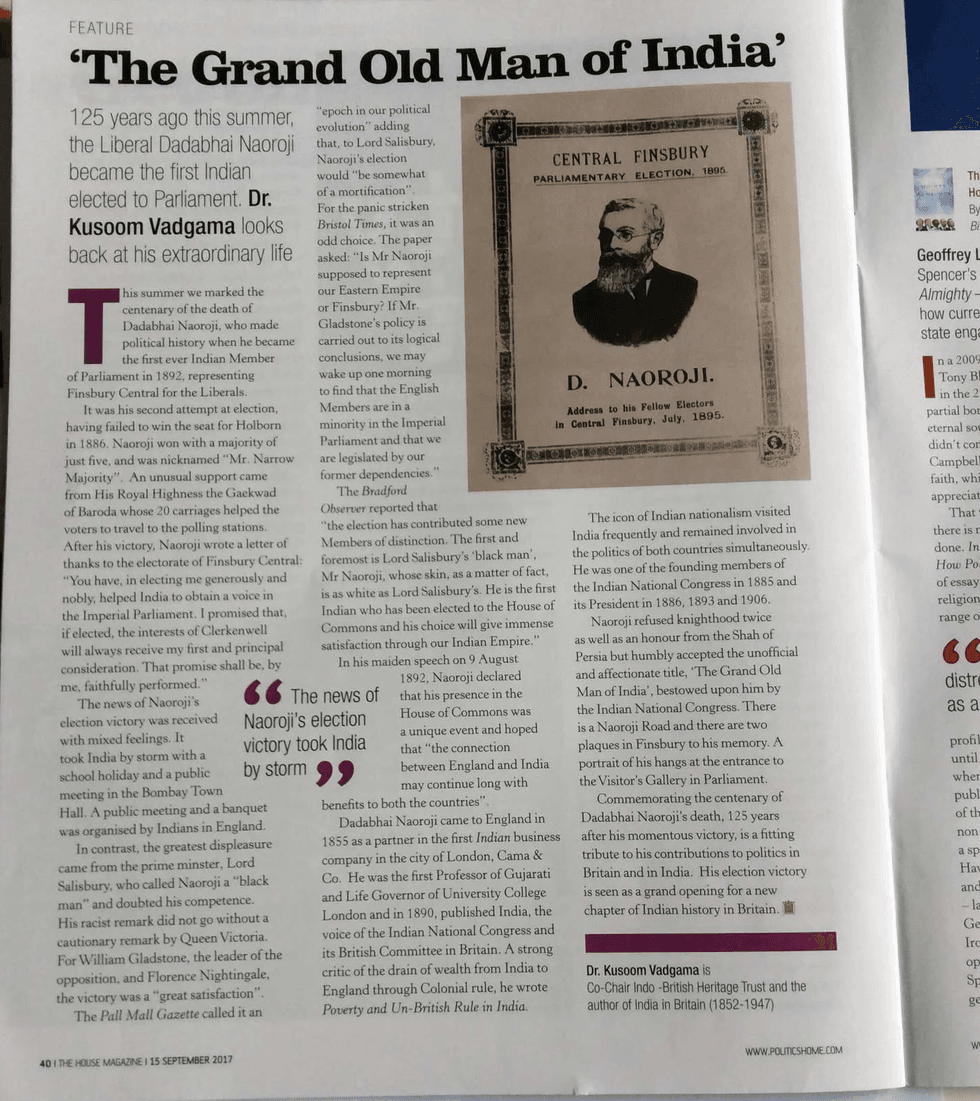 Amit Roy
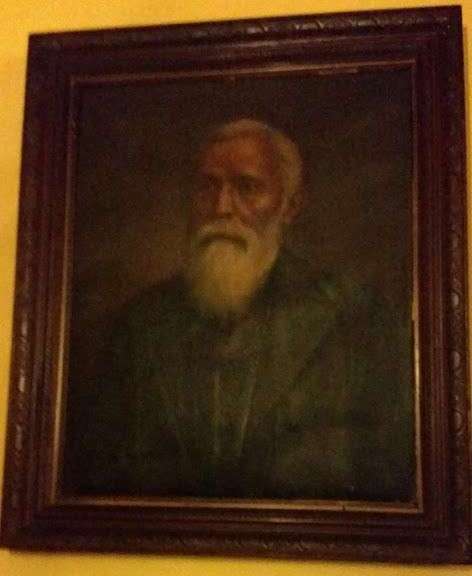 Dadabhai Naoroji portrait at India ClubAmit Roy
 India Club restaurantAmit Roy
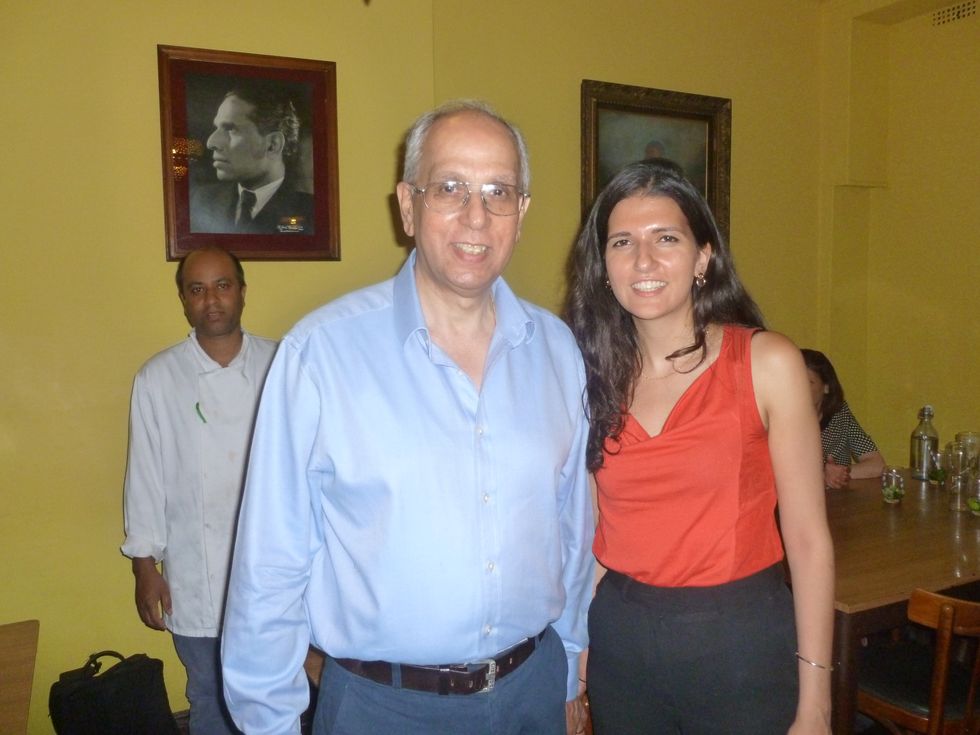 Yadgar Marker and his daughter Phiroza in front of a portrait of Krishna Menon at the India ClubAmit Roy
