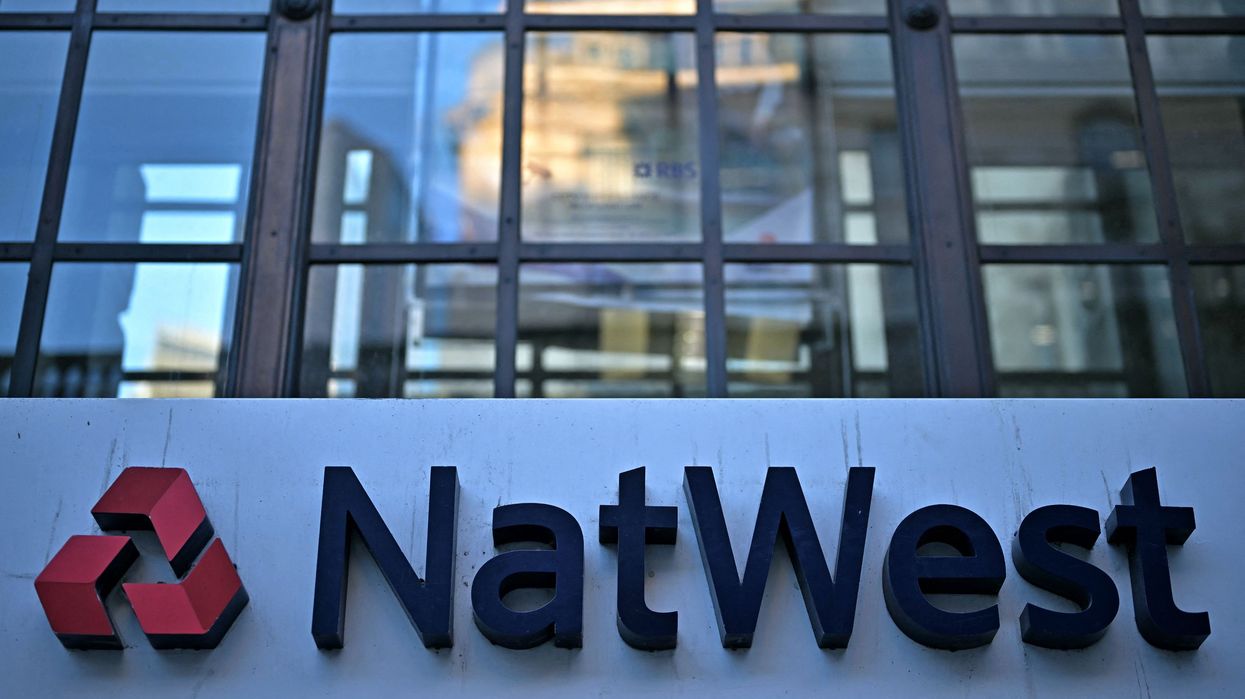

THE BRITISH government said on Friday it had sold its last stake in the NatWest banking group, ending a state rescue that began in 2008 when the bank was at risk during the global financial crisis.
The "final share sale ends nearly 17 years of public ownership," the treasury department said in a statement.
It said the decision to invest £45.5 billion of taxpayers' money into the 2008–2009 rescue of what was then the Royal Bank of Scotland was to protect the national economy.
"That intervention prevented the UK economy and financial system from going over the edge — protecting millions of savers, businesses and jobs," it said.
Finance minister Rachel Reeves said: "That was the right decision then to secure the economy and NatWest's return to private ownership turns the page on a significant chapter in this country’s history."
The government stake in the bank, which was renamed NatWest in 2020, had dropped from 84.4 per cent at the time of the rescue to under 50 per cent in 2022.
The current Labour government, which took power in July last year, had said it would continue with the divestment. The stake dropped to 15 per cent in October, then fell under one per cent in mid-May.
The government did not recover its entire investment. So far, £35 billion has been returned through share sales, dividends and fees.
"While this is around £10.5 billion less than the original support, the alternative would have been a collapse with far greater economic costs and social consequences," the economic secretary to the treasury, Emma Reynolds, said.
NatWest has slimmed down in recent years and focused on retail banking and on UK businesses.
After years of losses, it reported a profit in 2017, before moving back into the red during the Covid pandemic. It returned to profit in 2021.
(With inputs from agencies)