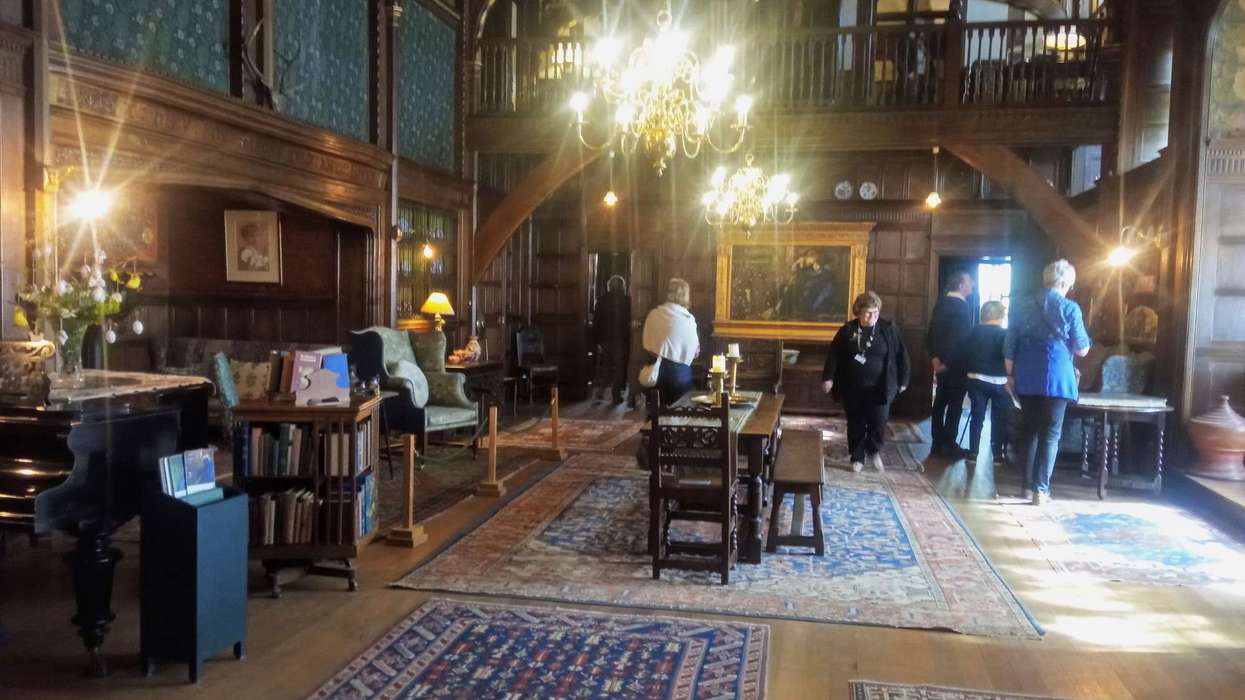

WIGHTWICK MANOR, a National Trust arts treasure house in Wolverhampton, appears to be attracting a more diverse range of visitors, possibly because the organisation has made a point of recruiting British Asian employees as well as volunteers.
For example, among the 400 volunteers at Wightwick Manor is Chimanlal Parbhubhai Karadia, 70, who retired 10 years ago, but has certainly absorbed the history of the Victorian house in the three years he has been showing visitors around the property.
He knows all about the origins of the Old Manor House at the turn of the 17th century, and how Wightwick Manor was built in 1887 after being bought by Theodore Mander, who had a flourishing business making paint. He passed on Wightwick Manor to his son, Geoffrey Mander, who decorated his home with William Morris prints and pre-Raphaelite art.
In the grounds of Wightwick Manor, Karadia drew attention to the Mathematical Bridge, inspired by the original in Queens’ College, Cambridge.
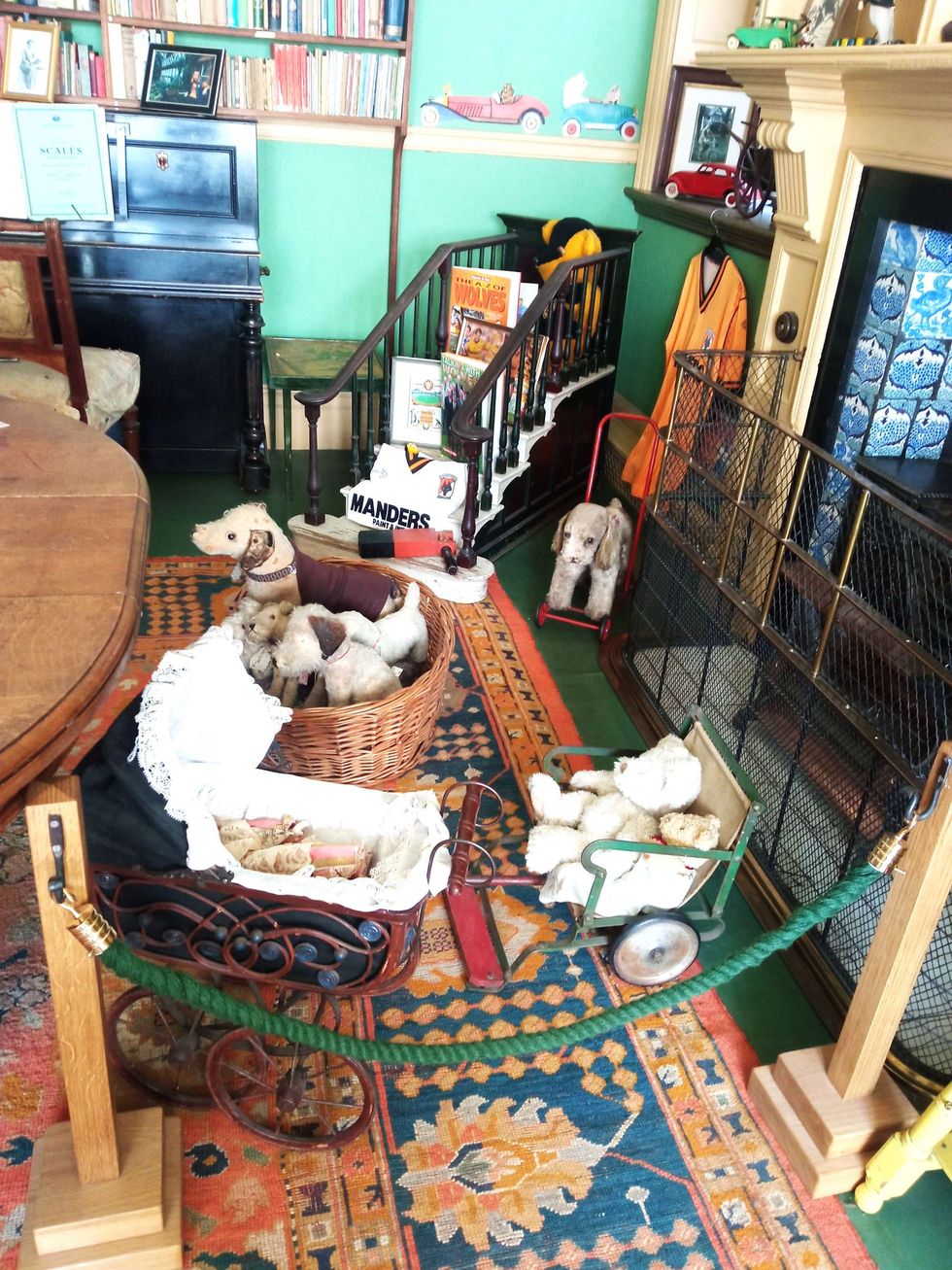 A children’s playroom inside the Victorian house.
Karadia, who had once trained local authority staff in welfare law, was recruited by Arun Chand, 33, who has been with the trust for seven and a half years and is now a senior community participation and volunteering manager. He is the son of an English mother and an Indian father, Sushil Chand, who was born in the UK (as a Diwali storyteller, he goes by the name of “Peter” Chand). His late grandfather, once a translator for the British army, came to Britain from Punjab in 1954.
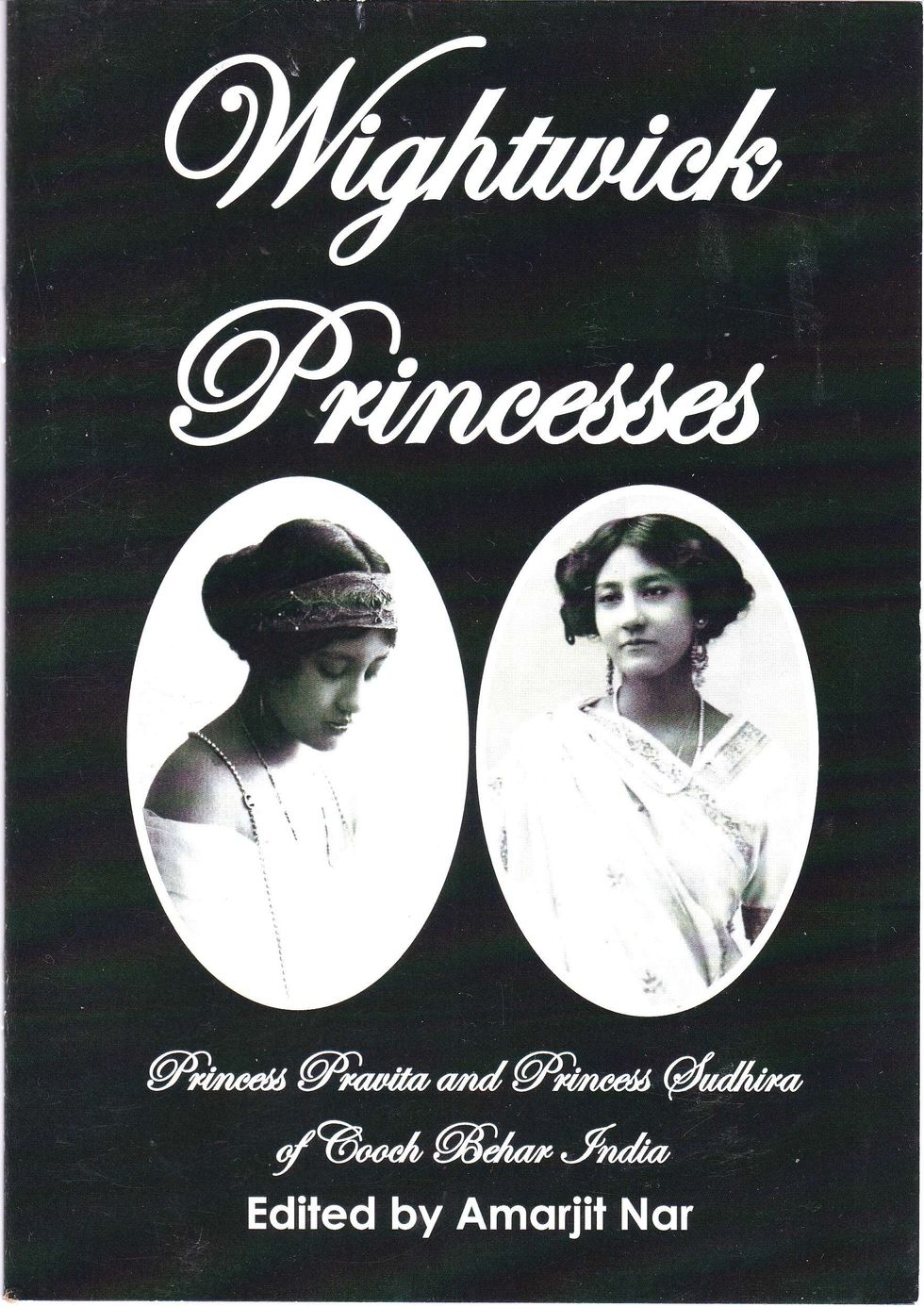 A booklet about Princess Prativa.
Talking about the changing demography of the area, Chand said: “Wolverhampton is 40 per cent non-white. Sikhs make up 12 per cent of the population. Wightwick was predominantly a white middle-class area. But, more recently, a lot of young, wealthy Indian families – professionals, doctors, dentists and the like who have made a good living – have moved into this part of Wolverhampton. Our visitor demographic has definitely changed over the last five years.”
Chand said Wightwick Manor was now attracting a more diverse range of visitors, “helped, I like to think, by some of the work that we’ve done. The proximity of Birmingham, only 45 to 50 minutes away, does help. You are also beginning to see young south Asian couples who come for dates. But families are definitely our biggest audience.”
 ..
..
If there was a stumbling block to explain why the Asian proportion of visitors wasn’t higher, Chand put it down to “lack of awareness” of what the National Trust offered.
To help drive up figures, “I am doing some recruitment now,” said Chand. “I’ll have a team of six people who will work across Wolverhampton and Birmingham. Some of those people will be responsible for looking after and managing volunteers. We can’t stay open without volunteers. Obviously, one of our big ambitions is to diversify our volunteer base so it is more reflective of the people of Wolverhampton. And the other people I manage are community outreach coordinators. Their job is to bring different groups to us, raise awareness and relevance, and do partnerships with like-minded organisations. We’re serious about delivering this work at scale.”
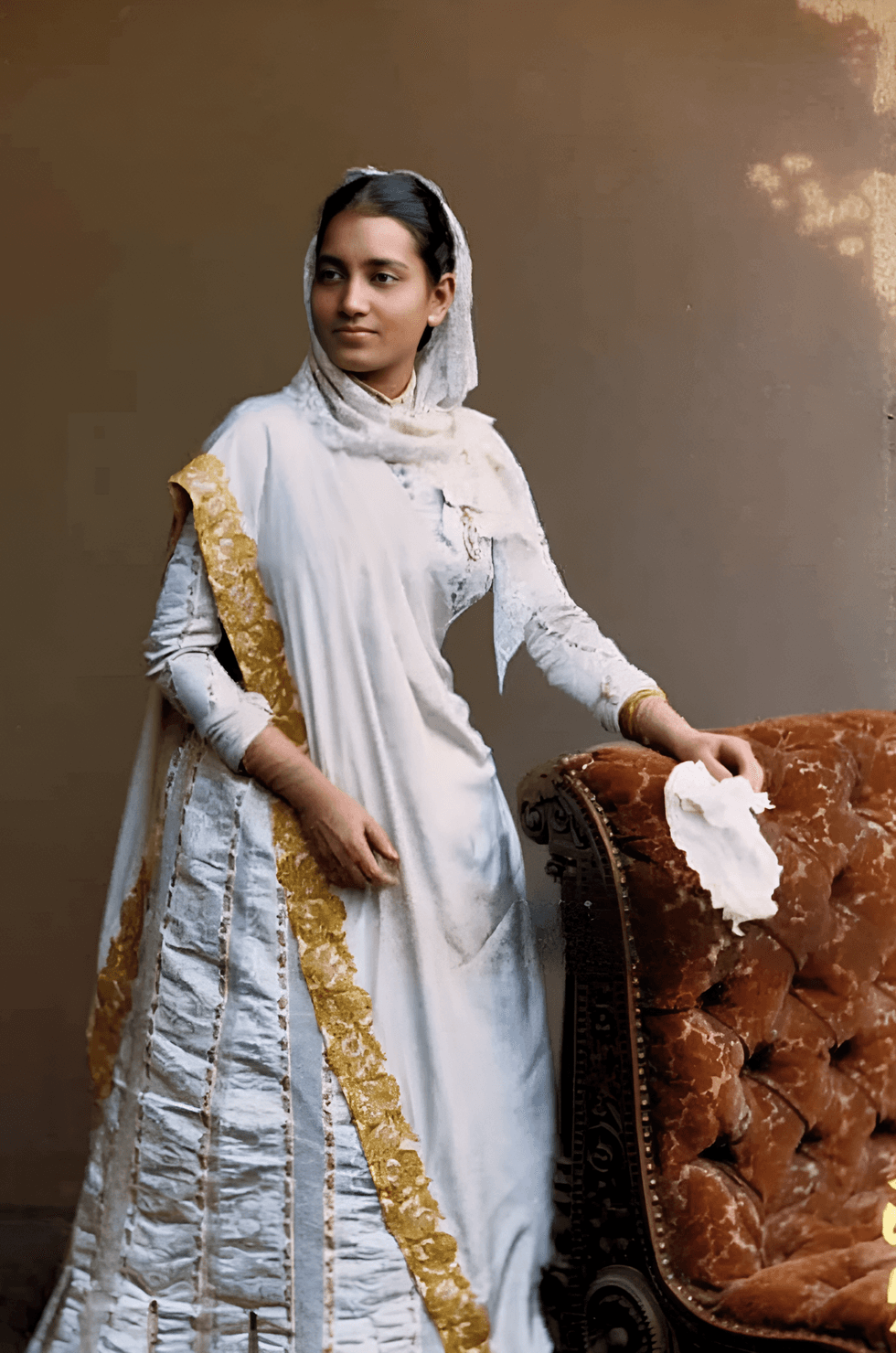 Maharani Suniti Devi of Cooch Behar.
The task of supporting volunteers directly and through the many volunteer and community managers at the trust is one of the responsibilities of Mukith Miah, who has been with the organisation since 2009.
Miah’s parents came from Sylhet in Bangladesh, in common with the vast majority of Bangladeshis in Britain. His mother, Moymun, who died on March 24 last year, aged 88, while on a visit to see relatives in Bangladesh, used to remind him he was born in Birmingham in the very hot August of 1976.
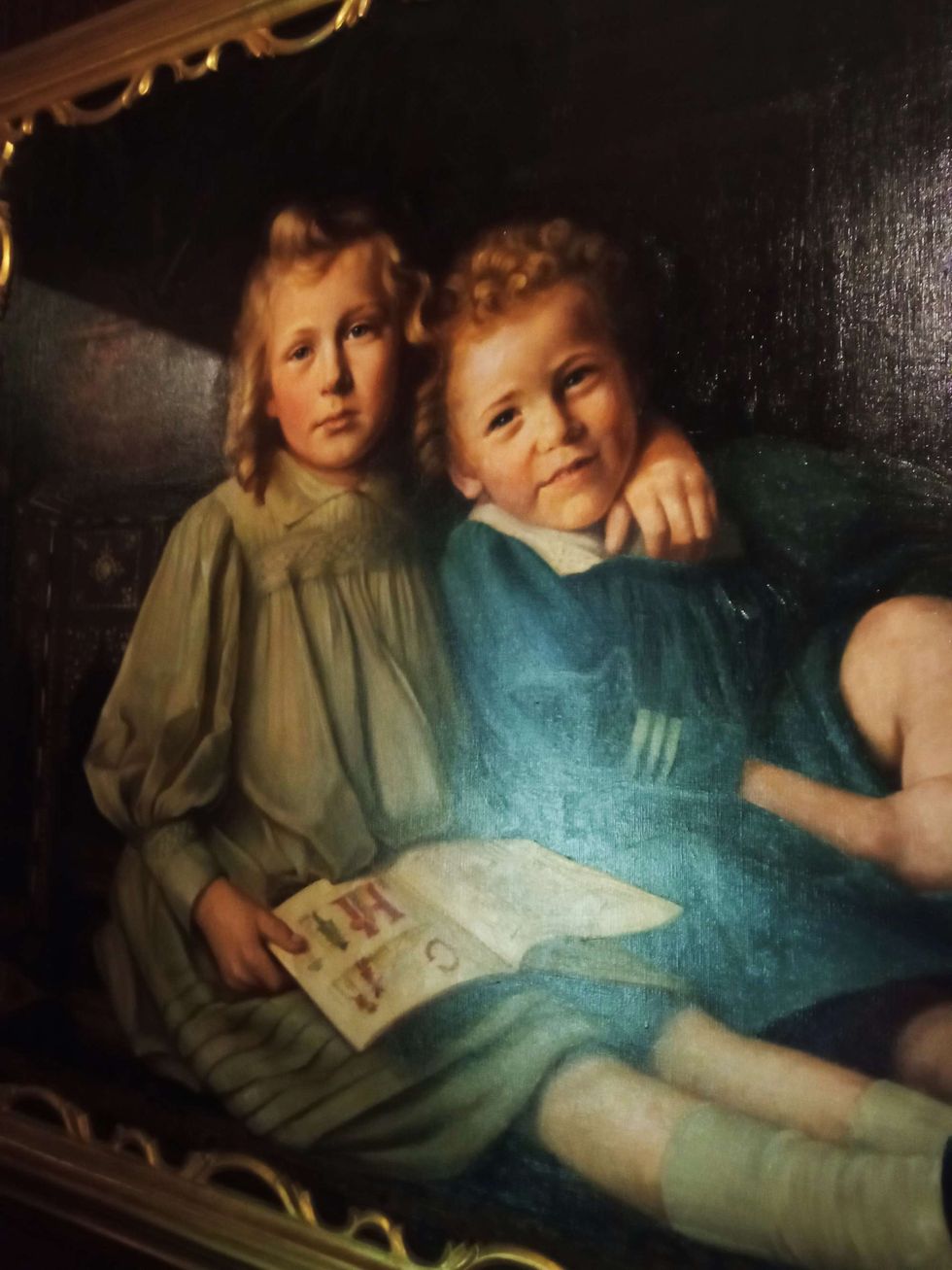 Lionel and Alan Mander as children.
Miah’s daughters, Inaaya, 18, and Sumiyyah, 17, are both National Trust volunteers. One of the touching stories Miah tells is about how he would take his wheelchair-bound mother to a range of National Trust properties in her declining years when she was suffering from dementia.
“Every Saturday, my brother and I would alternate in taking her to National Trust (properties) because the artefacts were similar to things she remembered from her early days in Bangladesh,” he said. These included a clothes washing line, a hand-operated laundry tool called a dolly, and a coal fire.
“She would get really overwhelmed and excited remembering the smell of the oil lamps,” her son said. “It was lovely seeing her face light up when she saw artefacts that reminded her of being a young girl.”
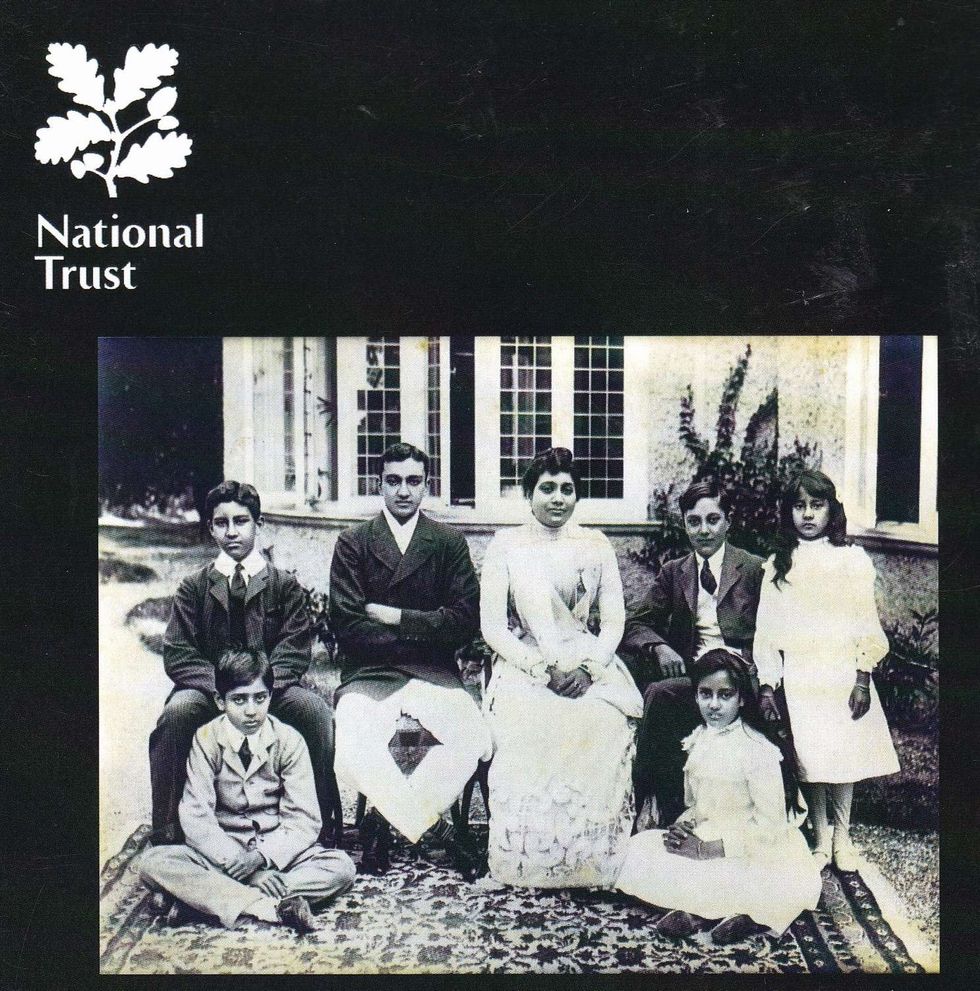 The back cover of Wightwick Princess.
His daughter, Inaaya, who was sitting beside her father in the gardens at Wightwick Manor, added these were comforting trips for her grandmother: “The kitchens really intrigued her. She would remember, ‘Oh, this is how we used to cook.’”
As a volunteer, Inaaya has encouraged people her age to visit National Trust properties. Her sister, Sumiyyah, is a volunteer in a National Trust bookshop.
As a fan of Bridgerton on TV, Inaaya loved the fact that the drama, starring British Asian actresses Simone Ashley (Kate Sharma) and Charithra Chandran (Edwina Sharma), had been filmed at a number of National Trust properties. Miah said awareness of the National Trust among Asians appeared to be increasing: “When I started visiting the National Trust in 2009 with my family, there were very few people who looked like me.”
Among Asians, he said, “word of mouth is much more powerful than any tool the National Trust can use”.
He was taken on as an employee because of his youth worker links with the local community, and “now we piggyback on events like Diwali, Eid, the Irish St Patrick’s Day and the Chinese New Year. We take the National Trust brand out into the community to raise awareness of who we are, and whether they would be interested in volunteering. We encourage students from Aston University and Birmingham University to volunteer. (When they went for jobs), they impressed employers with their social development skills.”
He continued: “We are really big on visitor feedback. There is a team at the National Trust whose job is to collate visitor reaction, good and bad, so that visitors get a very warm welcome from the very beginning. When we come to an event and allow in staff members, I’ll bring samosas for volunteers. They absolutely love those rather than cream cheese and crackers.”
Miah, whose brother also works for the trust, said: “As a family, we visit lots of National Trust spaces, anyway.”
He said the romantic National Trust properties were ideal for Asian weddings and much cheaper than traditional halls. “In fact, my wife and I joke that when our daughters are ready to get married, they should consider National Trust properties.”
He emphasised: “The one message I want to share with the Eastern Eye readership is that the National Trust is for everyone. It’s a matter of coming and experiencing what the National Trust does.”

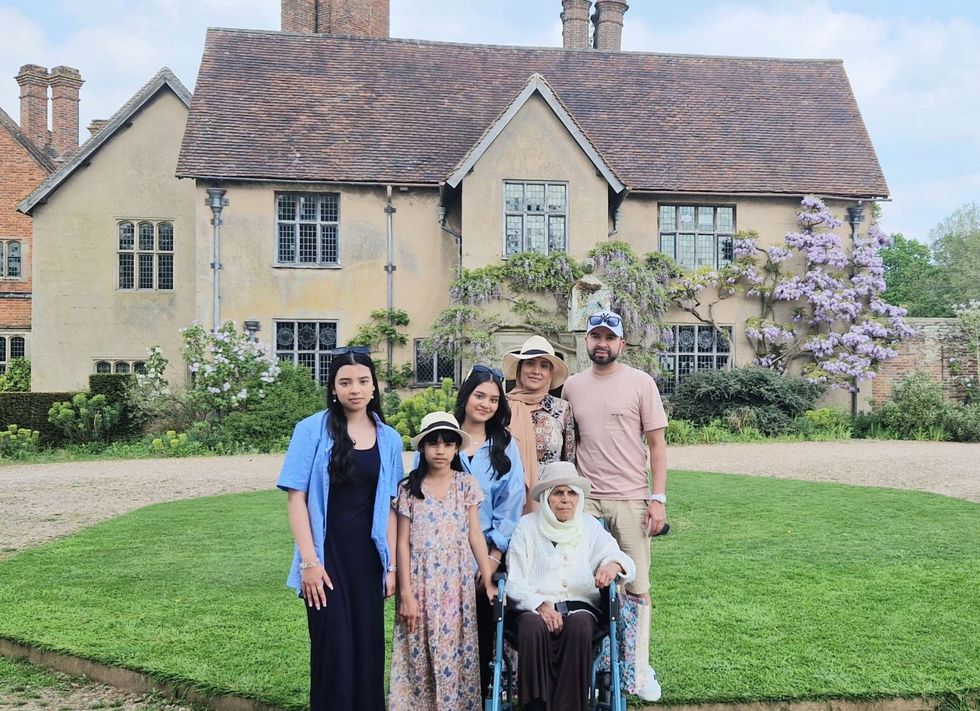 The Miah family with Moymun during a visit to the property.
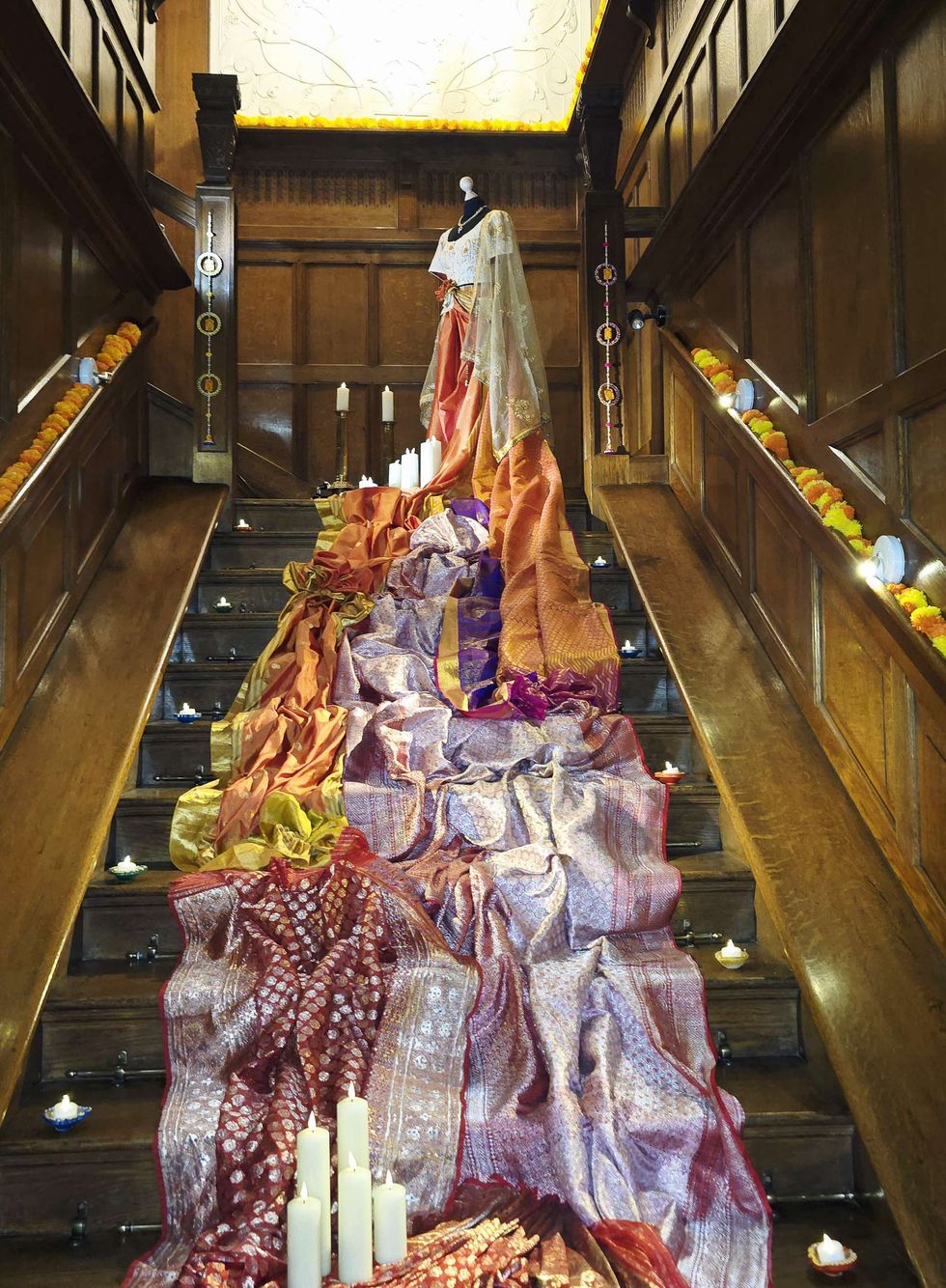 Diwali decorations combining Indian saris with William Morris fabricsArun Chand
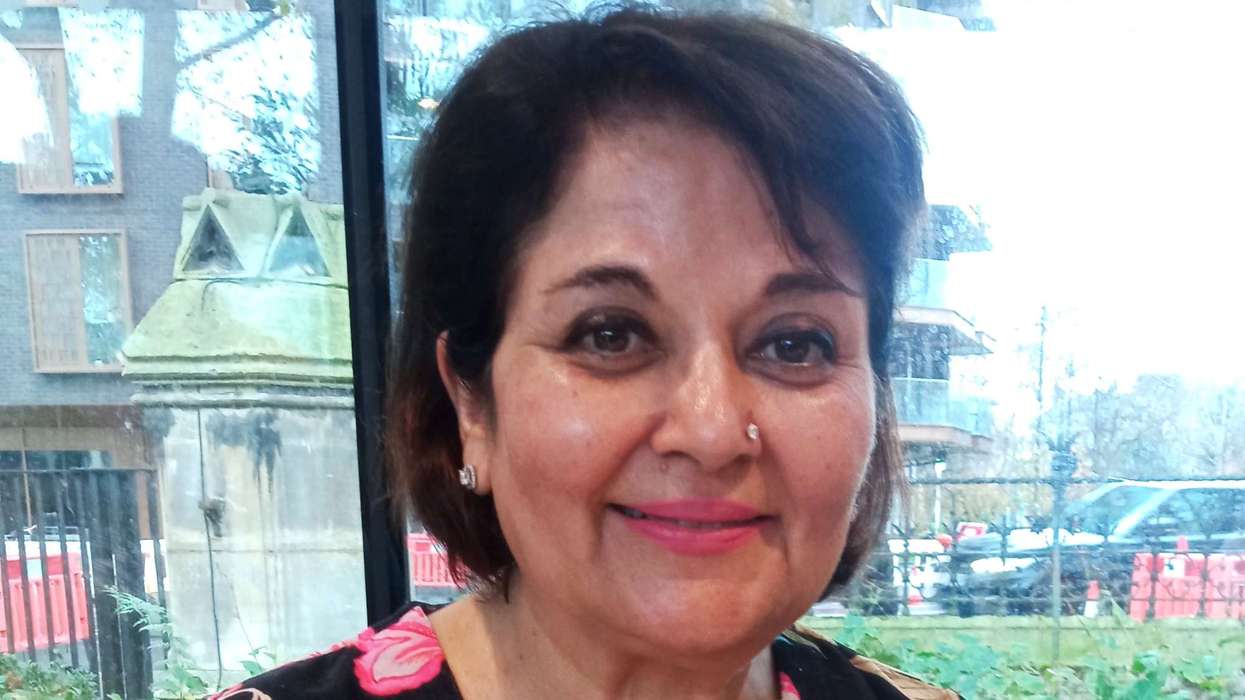
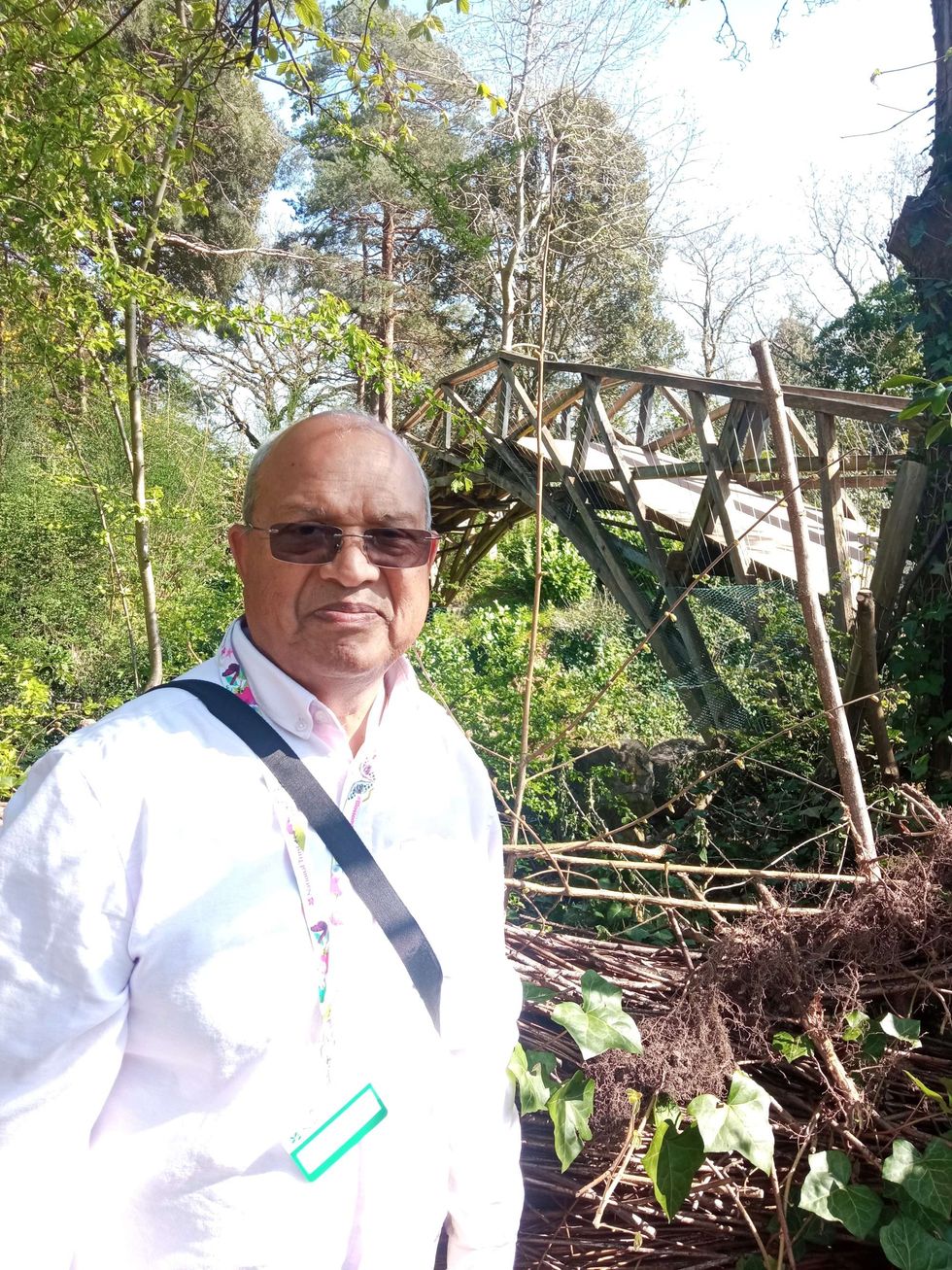 Chimanlal Parbhubhai Karadia.
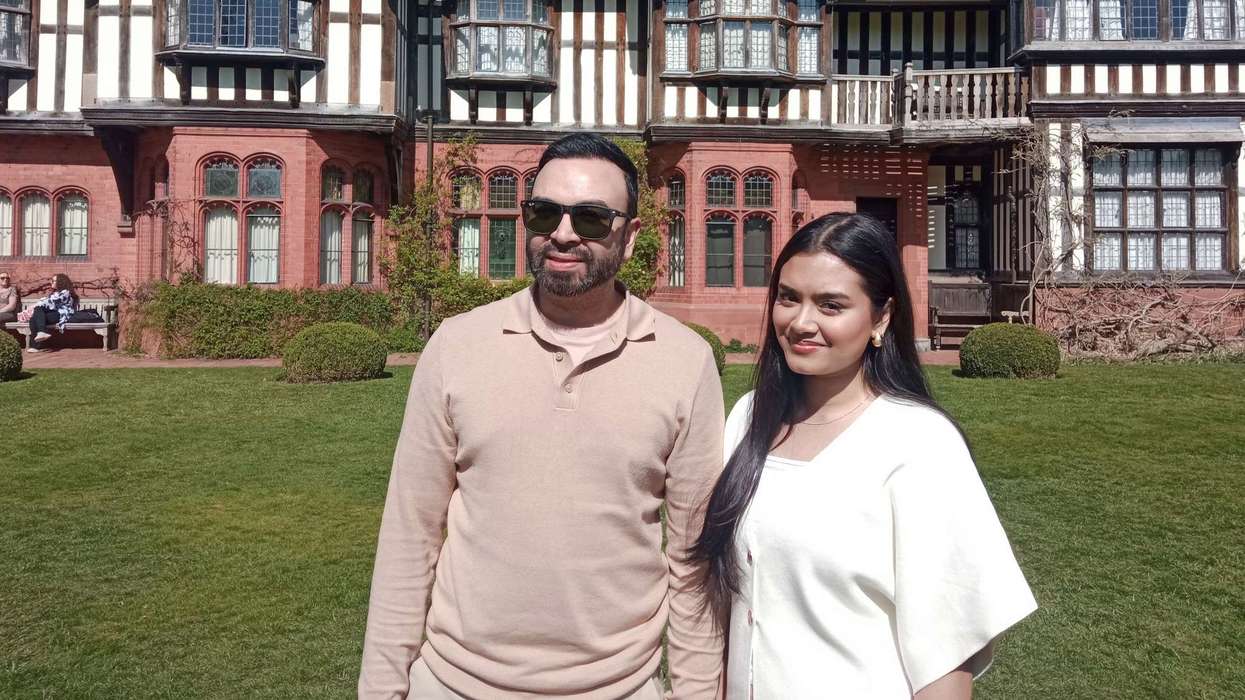
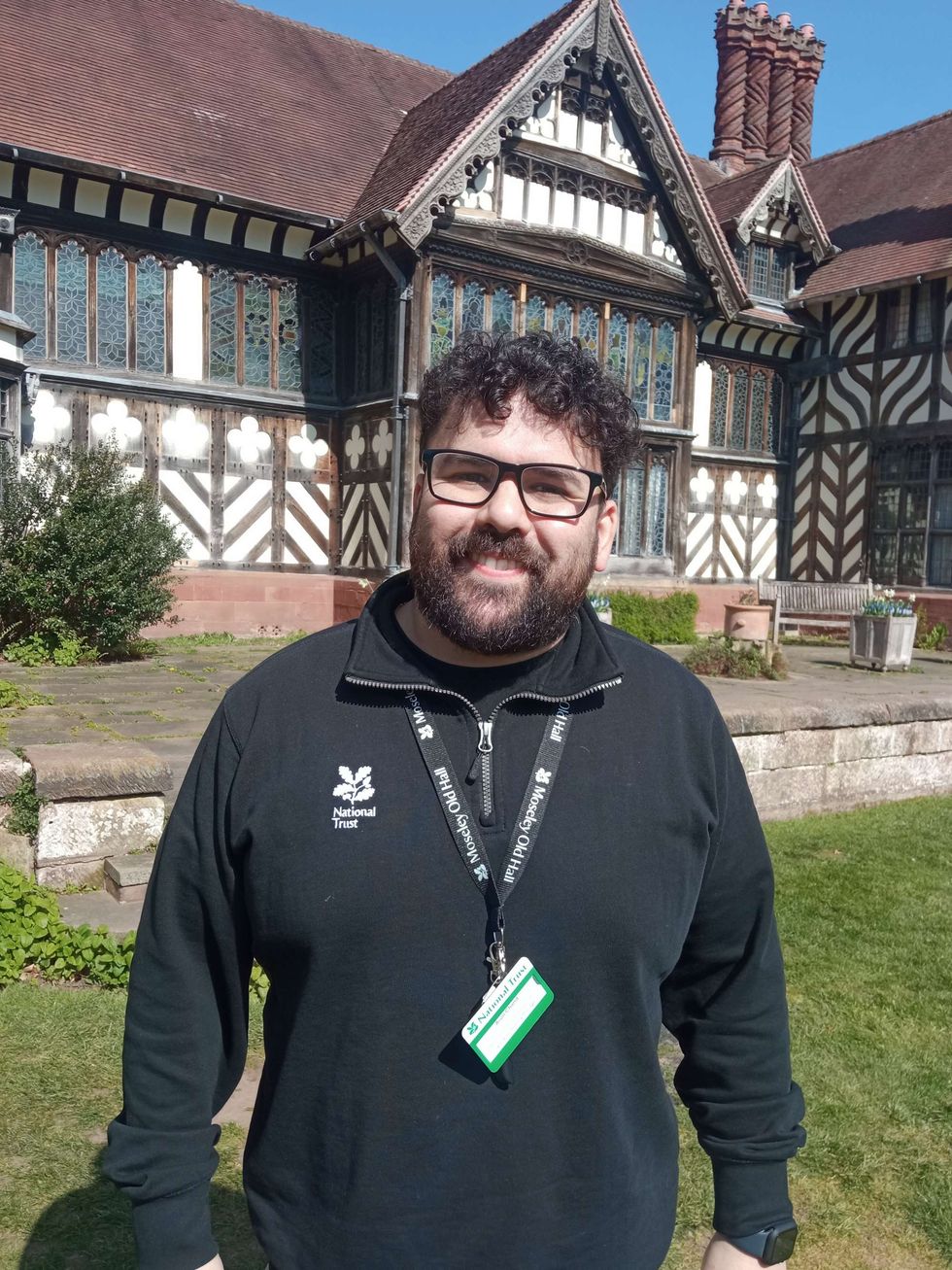 Arun Chand.