Sri Lanka's Muslim ministers who resigned en masse in the wake of the deadly Easter Sunday bombings have rejoined the government, officials said on Tuesday (30), after police cleared them of any involvement with Islamists.
Nearly 100 people linked to a local jihadist group were arrested after the April 21 attacks on three churches and three luxury hotels that killed 258 people.
Nine government legislators, several of them cabinet ministers, resigned in early June after a Buddhist lawmaker demanded their sacking and accused them of terror links.
"The ministers, state ministers and deputy ministers who resigned recently were sworn in before the president last night," a statement from the president's office said.
A spokesman for the lawmakers said they decided to accept their old portfolios after police cleared them of any links with Islamists involved with the bombings.
Muslim leaders had said their community -- which makes up 10 percent of Sri Lanka's 21 million population -- were victims of violence, hate speech and harassment after the attacks.
Sri Lanka Muslim Congress leader Rauff Hakeem said his community had cooperated with security forces but faced collective victimisation.
In the wake of the bombings, anti-Muslim riots spread in towns north of the capital, killing one Muslim man and leaving hundreds of homes, shops and mosques vandalised.
Sri Lanka is under a state of emergency since the Easter attacks. Police and troops have been empowered to arrest and detain suspects for long periods.





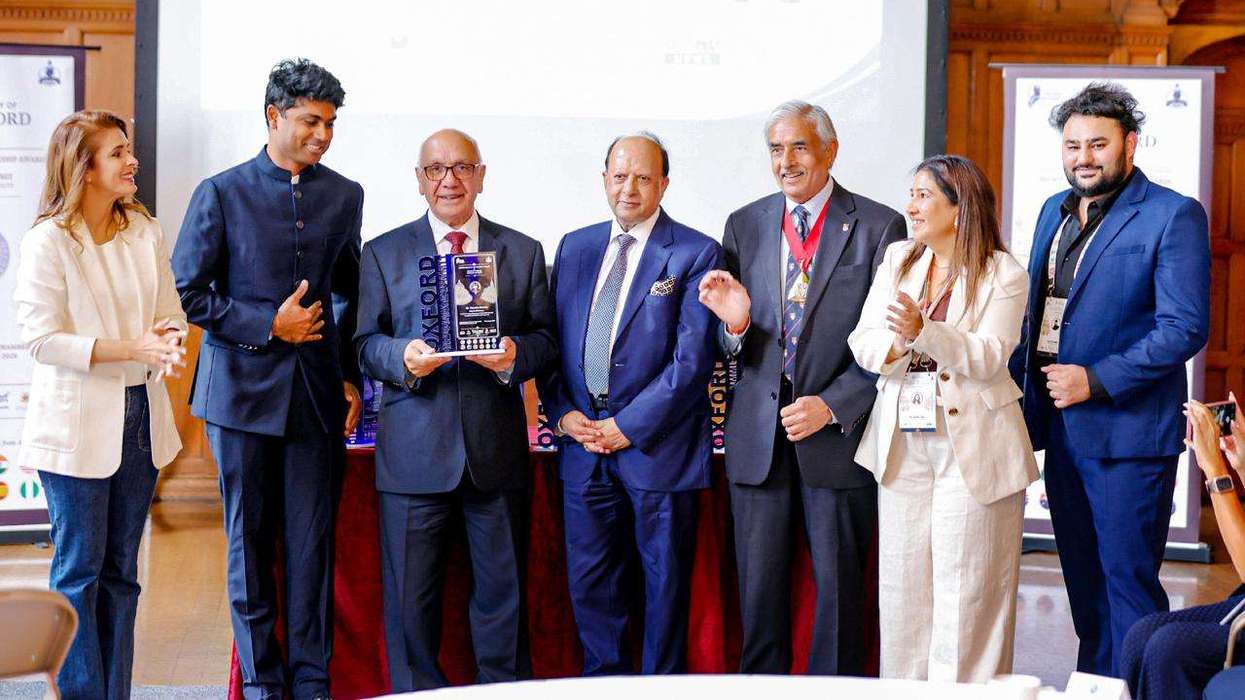
 Raageshwari LoombaMahesh Liloriya
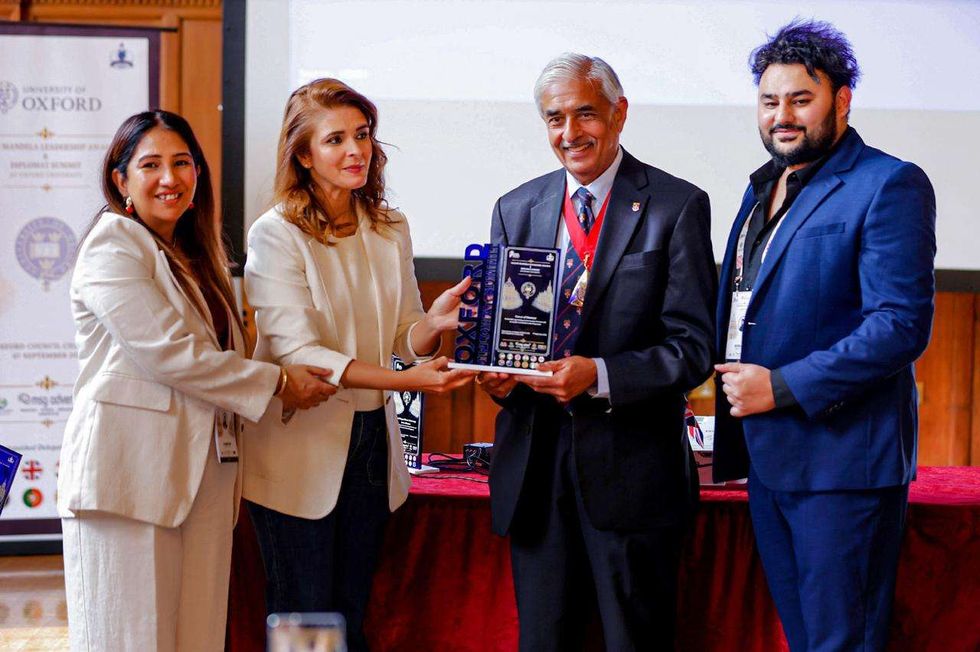 Raageshwari LoombaMahesh Liloriya
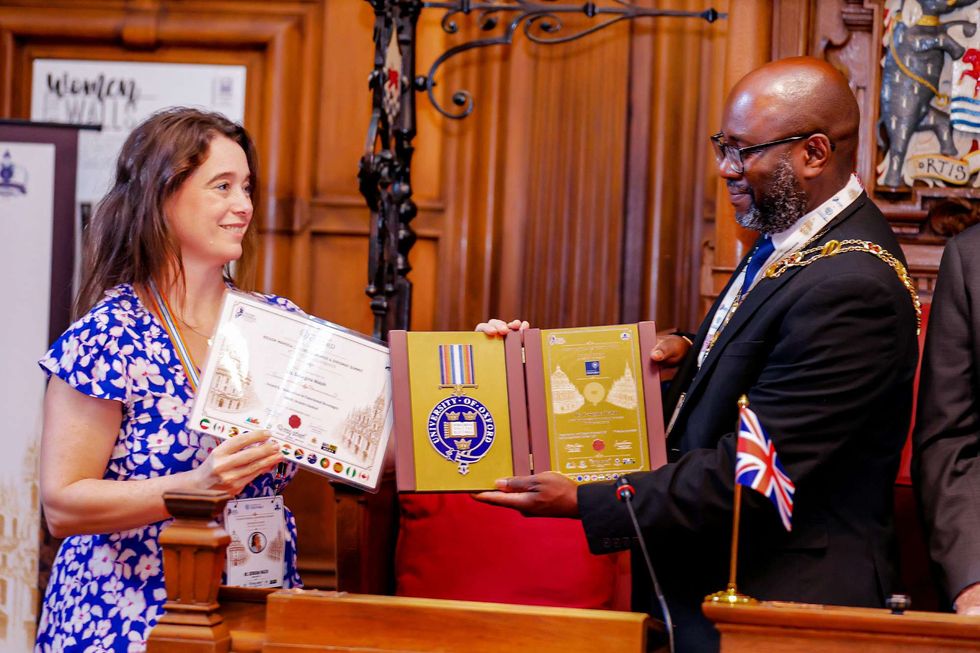 WinnersMahesh Liloriya