
By Amit Roy
THE newly ennobled Charles Moore is being tipped, along with a number of other people, among them Andrew Neil, as the next chairman of the BBC.
Oddly enough, I worked for both Andrew and Charles – the former when he edited the Sunday Times, the latter when he was editor of the Sunday Telegraph and then the Daily Telegraph, where he is now a columnist.
Andrew has ruled himself out, although I expect the new director-general, Tim Davie, to give him back some kind of high-profile politics show.
Charles comes across as a right-wing critic of the BBC and especially of the licence fee which he once refused to pay. I have known Charles since he joined the Daily Telegraph as a young leader writer, going on to become editor of the Spectator.
Despite appearances to the contrary, he is a man of liberal instincts, very civilised and with a sense of humour. I always looked forward to Tuesday morning news conferences at the Sunday Telegraph when we would pitch ideas for the paper that week. He would treat my increasingly eccentric story ideas with exceptional indulgence. On one occasion he insisted I should attend Ramola Bachchan’s parties at her home in Hampstead to report on the burgeoning British Indian social scene. So I would not worry too much if Lord Moore were to become BBC chairman.
Perhaps the next chairman should do something about cutting BBC salaries. Gary Linekar’s is coming down by £400,000 but he will still be paid £1.35 million. Zoe Ball will get £1,364,999; Graham Norton £729,999; Fiona Bruce £464,999; and Vanessa Feltz £409,999. Most viewers will wonder whether such high salaries can ever be justified in a public service broadcaster funded out of the licence fee.
Though these are still very generous salaries, it is hard in the circumstances to quibble with the £329,999 paid to George Alagiah; £269,999 to Mishal Husain; £209,999 to Amol Rajan; £199,999 to Naga Munchetty; £184,999 to Reeta Chakrabarti; and £159,999 to Faisal Islam.
I believe there would be no loss of quality if the BBC set £100,000 as the upper limit for salaries – for both men and women.

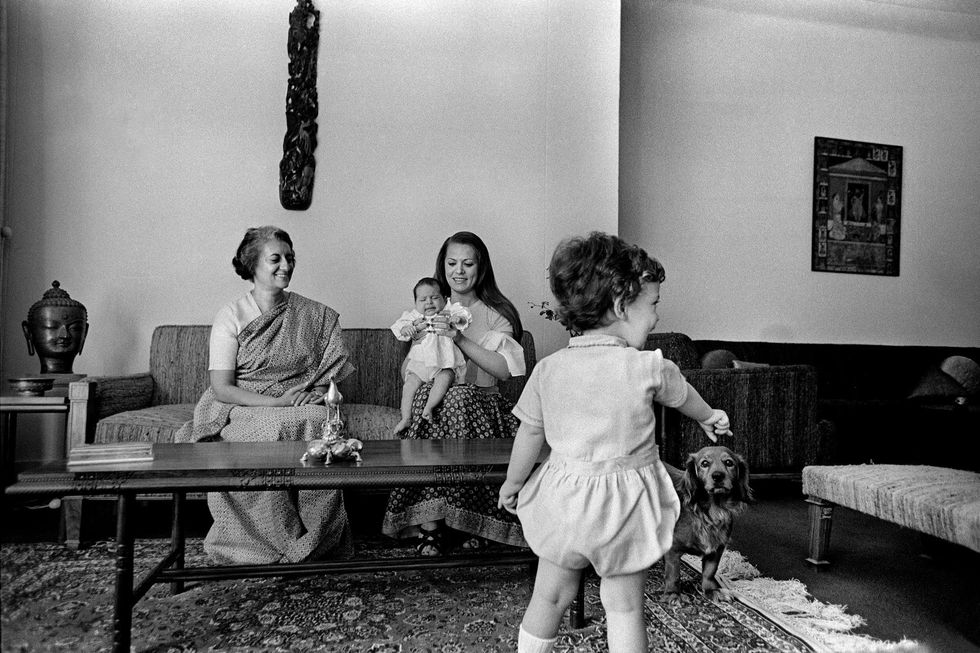 Indira Gandhi with Sonia and her children, Rahul and PriyankaAgencies
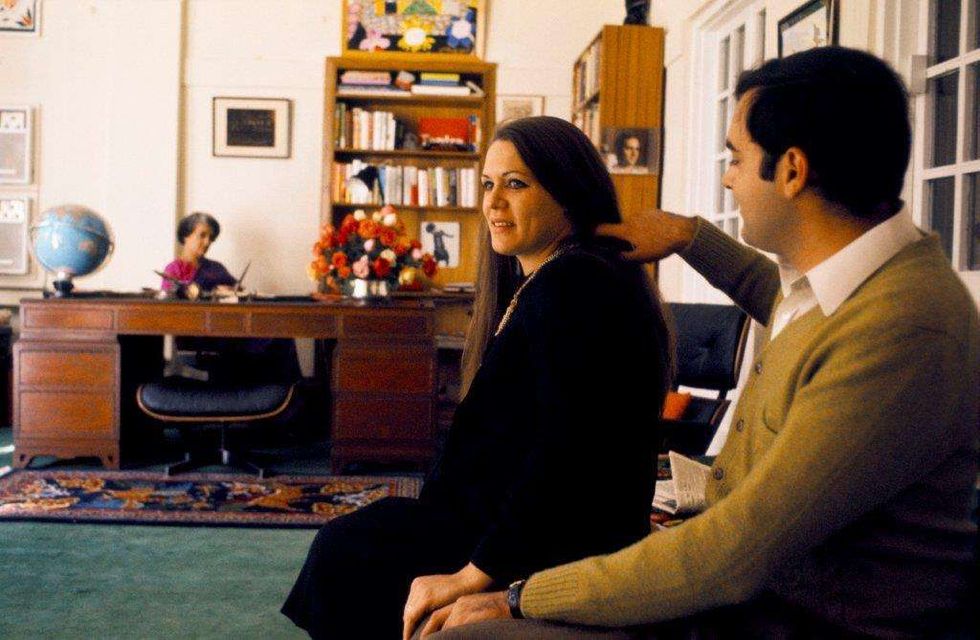 Sonia and Rajiv Gandhi in Indira Gandhi’s officeMarilyn Stafford
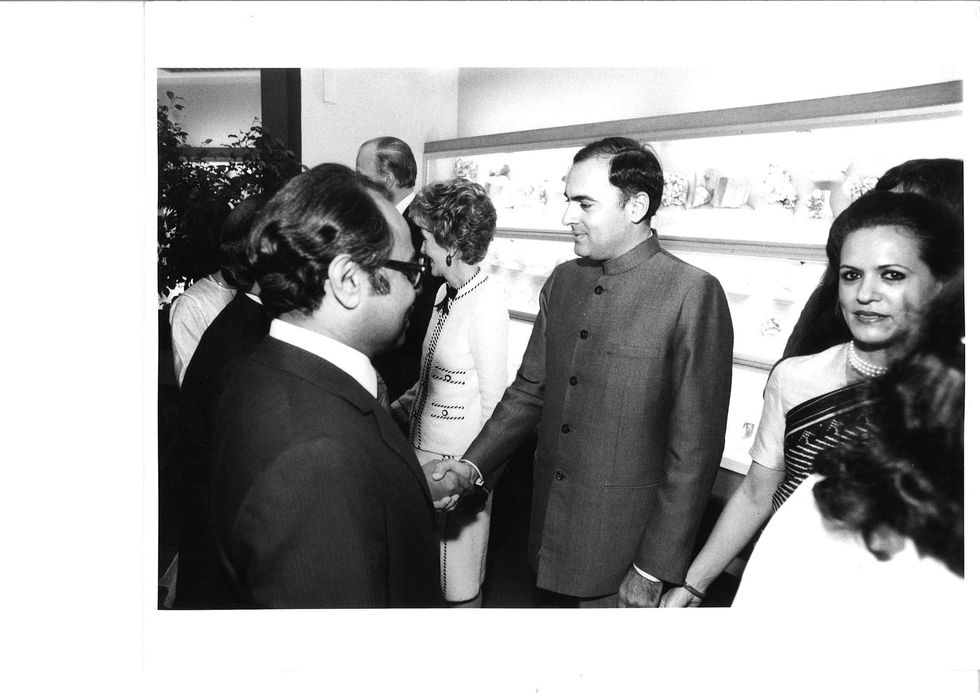 Rajiv and Sonia GandhiAgencies