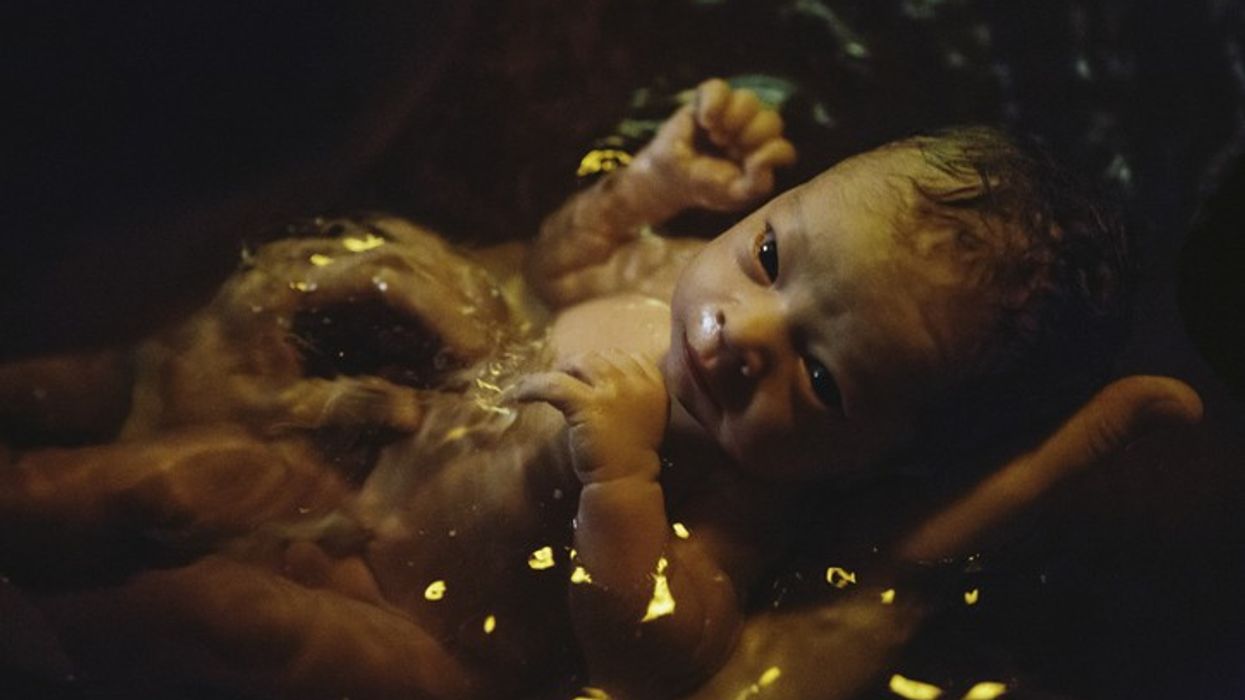

WOMEN from socially deprived areas and ethnic minorities are less likely to have a water birth than white women living in affluent areas, according to a recent study which also found no link between waterbirth and specific adverse outcomes for either the mother or the baby.
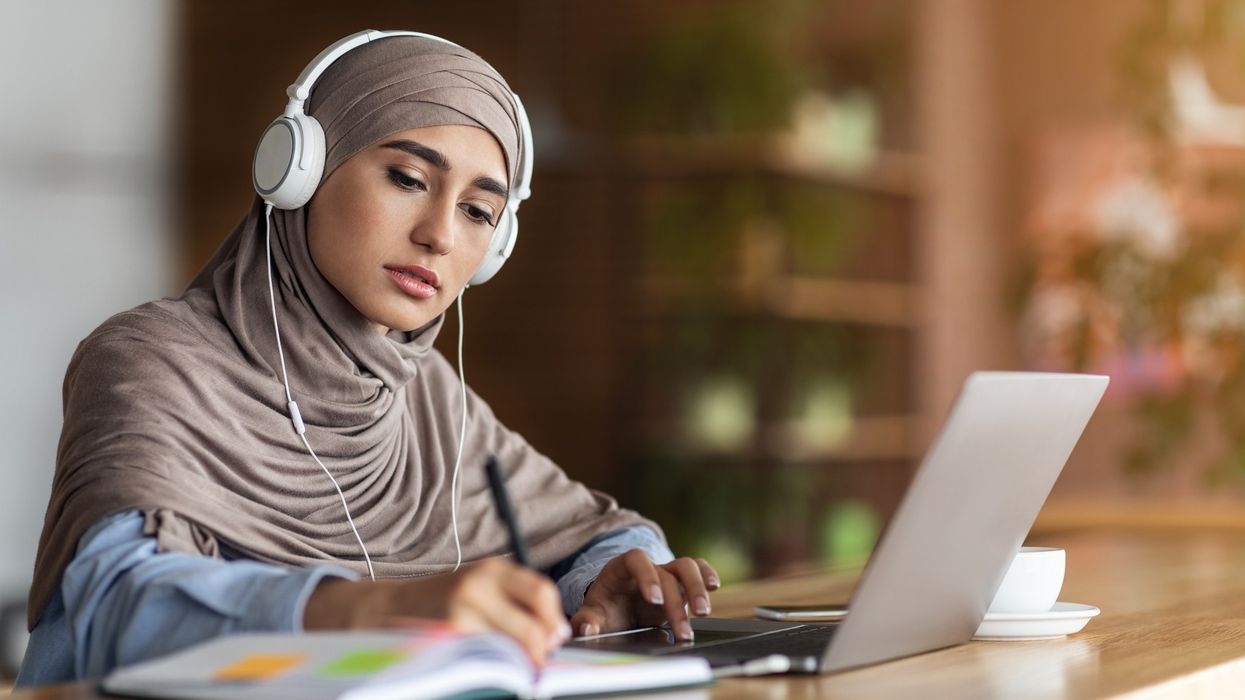
Despite the presence of birthing pools in most NHS trusts, women from black, Asian and minority ethnic communities (BAME) are less likely to opt for a water birth, said the study, published in BMC Pregnancy and Childbirth journal.
Immersion in water during labour is usually associated with a number of maternal risks, with concerns such as a perineal tear for mothers, or excessive bleeding. However, there is no association between such risks and water birth, with no special risks in the case of water-born babies as well - such as a low Apgar score and requirement of neonatal care after birth, Dr Tina Harris said in De Montfort University Leicester (DMU)’s co-authored paper.
“Most NHS Trusts do have a birthing pool, so all women should have access to giving birth in water, but our study has revealed that some women, from socially deprived areas and from the BAME community, are less likely to have a waterbirth. So we want to understand why that is,” Dr Harris said.
The observational study involved an analysis of 46,088 low and intermediate-risk vaginal births across 35 NHS Trusts in England. It showed that 6,264 (13.6 per cent) were recorded as delivering their baby in the water.
Dr Harris hoped the study will give women more information and reassurance to help them with their decision on whether to have a waterbirth and added it is important that pregnant women have access to “as much information as possible to make an informed choice.”





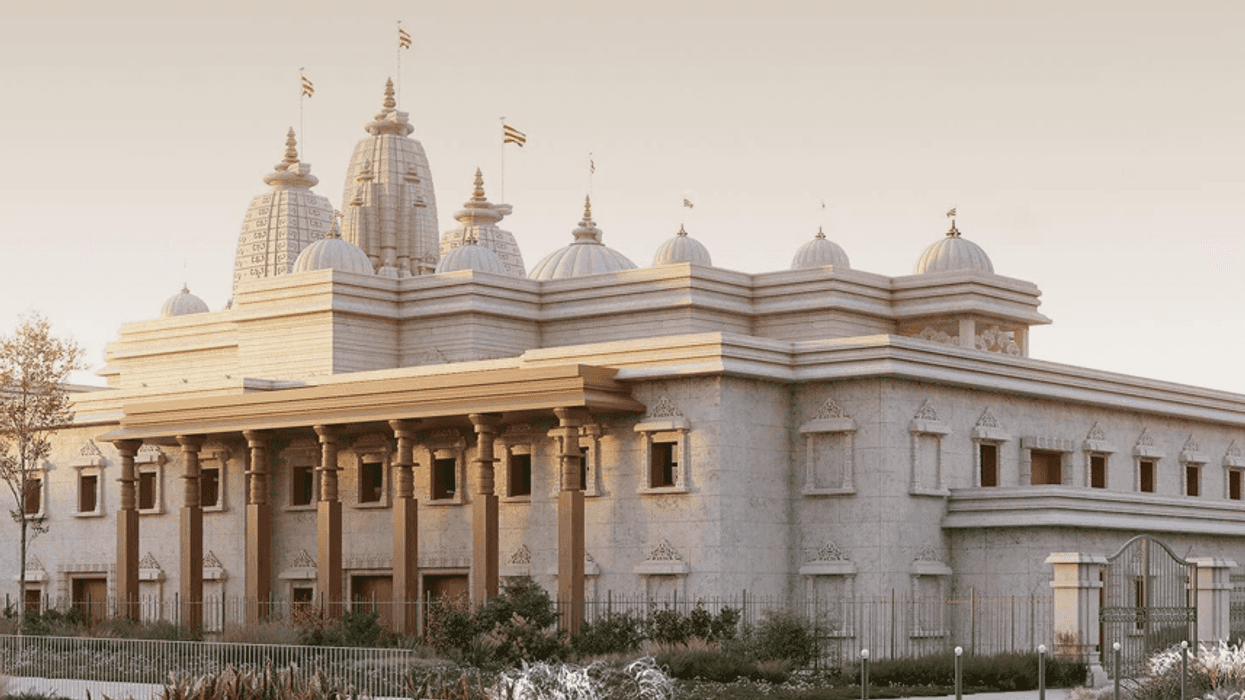
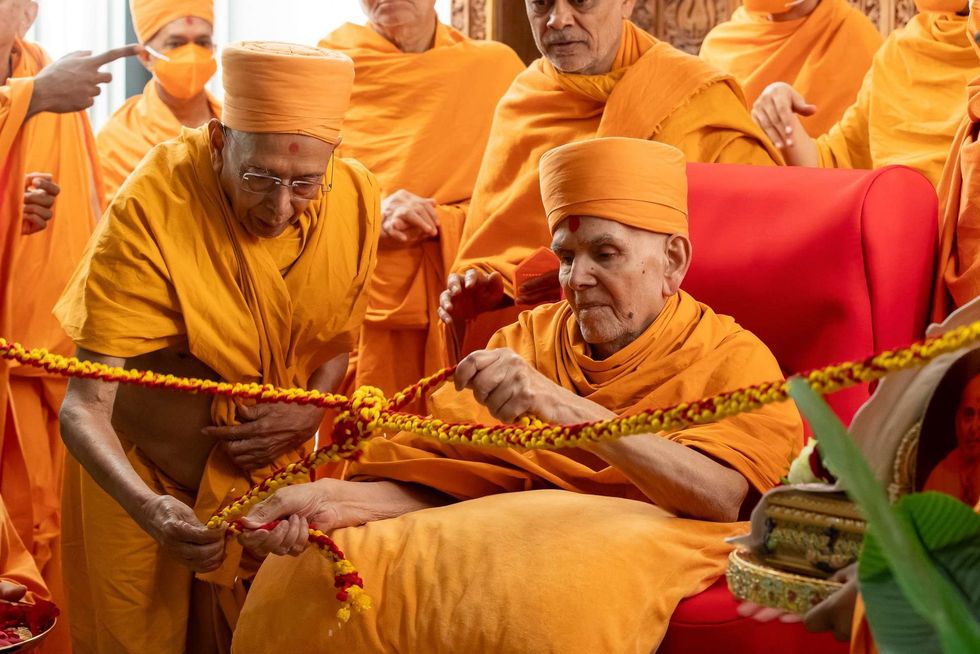 Mahant Swami Maharaj arrives in France ahead of the Paris Mandir Mahotsav BAPS Paris Media
  Historic Jal Yatra starts at the iconic Eiffel TowerBAPS Paris Media
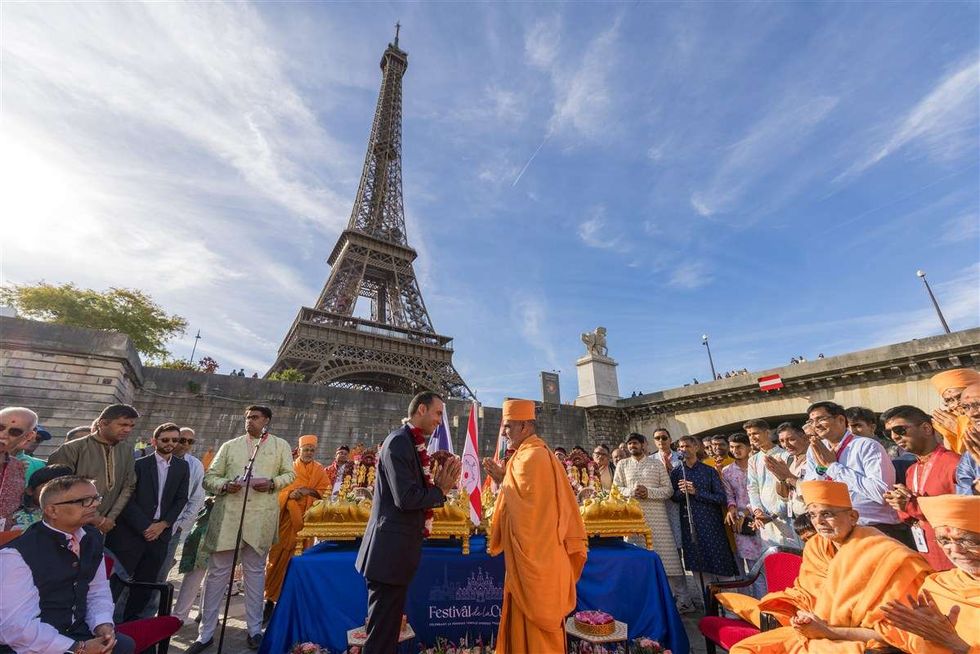 Organisers called it the largest coordinated flotilla to sail the Seine since the opening ceremony of the Paris 2024 Olympic GamesBAPS Paris Media
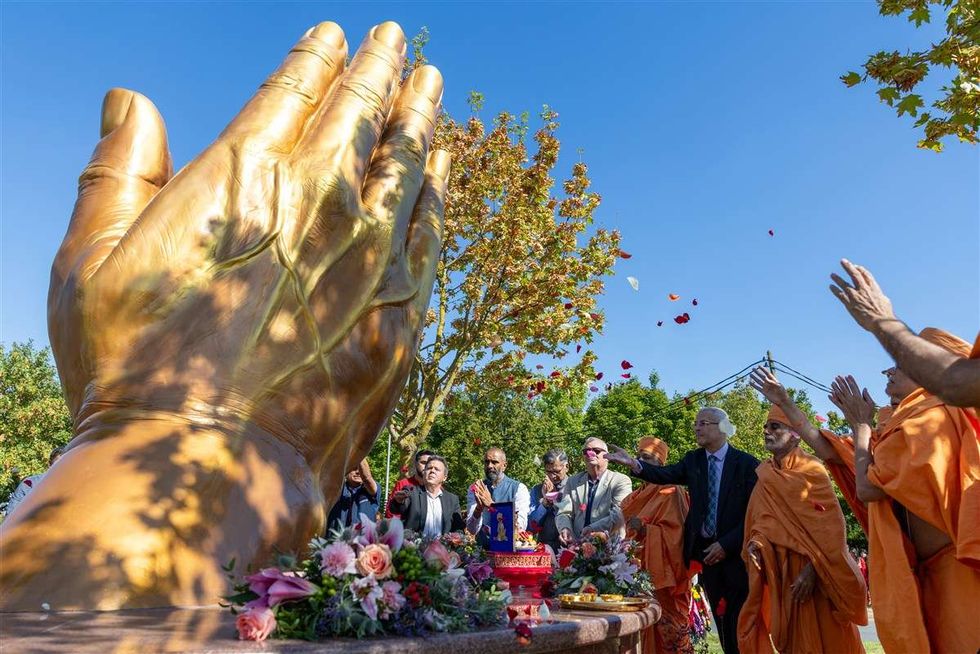 A sculpture of folded hands in the traditional Indian gesture of namaste was unveiled at a roundabout in Bussy-Saint-Georges this weekBAPS Paris Media