

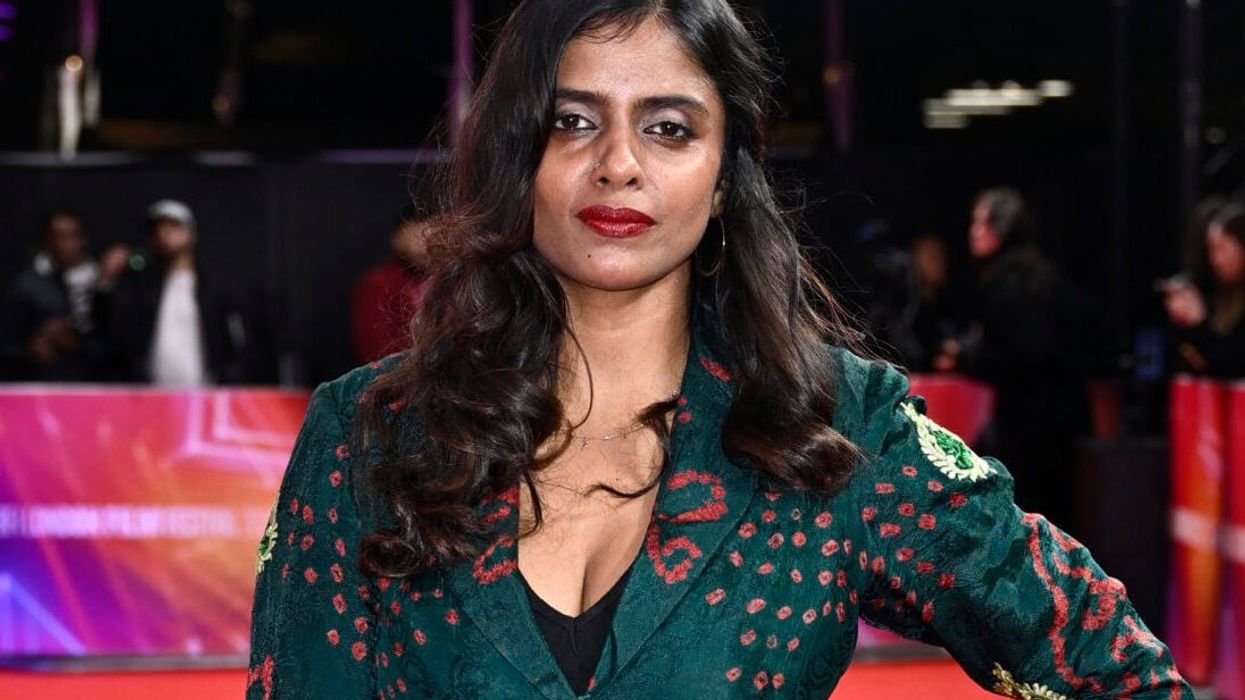
THERE is a lot more to Mannara Chopra than being first cousins with Priyanka Chopra Jonas and Parineeti Chopra.
The rising star has made a name for herself as a respected actress with starring roles in Hindi, Tamil and Telugu films. She is also an accomplished singer and dancer, so is looking forward to taking on more challenges on multiple platforms.
Eastern Eye caught up with the multi-talented beauty to discuss her journey and why she doesn’t feel the pressure of having famous first cousins.
What first connected you to acting?
I was a dancer first and then I ventured into ads slowly; so that’s how the acting journey began and there has been no looking back since then.
Which of your roles is closest to your heart?
Portraying Anjali in (writer-director) Puri Jagannadh’s film Rogue. That was because I was playing a singer in the film. In real life too I am a singer, so I could relate to that character very closely.
Which character has challenged you most?
Playing Maya in my debut film Zid was definitely a challenge because this girl had many shades to her. That time I was literally a kid, so it was hard for me to understand so many layers to that one character, but I learned a lot.
Tell us about your forthcoming projects?
I am working on many music albums in Bollywood and have a web show.
Is finding good roles the biggest challenge that you face?
Yes, absolutely! (Laughs) I think a lot and I really mean a lot. I work for my creative satisfaction and not to please people, which makes me end up doing less but good work.
Does being closely related to Priyanka Chopra Jonas and Parineeti Chopra put pressure on you?
No, I have my own journey and I’m working very hard towards it each and every day of my life. I am putting my best foot forward and trying my very best.
Do you have a dream role?
I have a simple dream of doing a film where I can dance and sing.
What do you enjoy watching as an audience?
I enjoy watching anything that keeps my mind and me alert while watching, whether that is a film or a web series. It has to be something which has logic attached to it.
If you could master something new, what would it be?
There are so many things! I love dancing, singing, and swimming. I know it all, but I crave to learn more and more about them. I also want to be better at my craft and understand that the learning never ends.
Who is your hero?
My mother is my hero. She has worked very hard all her life to build a career of her own in the business of real jewellery. My sister and I have imbibed those same qualities of working hard towards our goals and achievements.
Why do you love the acting profession?
I have always been into creative arts right from my school days, whether it was painting, singing, fashion designing, dancing or being a good orator. So, this profession gives me a chance to be it all with a good creative satisfaction. And I like that I get to play lives of so many different people on-screen and experience so many different emotions. Also, I guess you travel a lot and are enabled to learn so much more in life, about life.
Instagram: @memannara


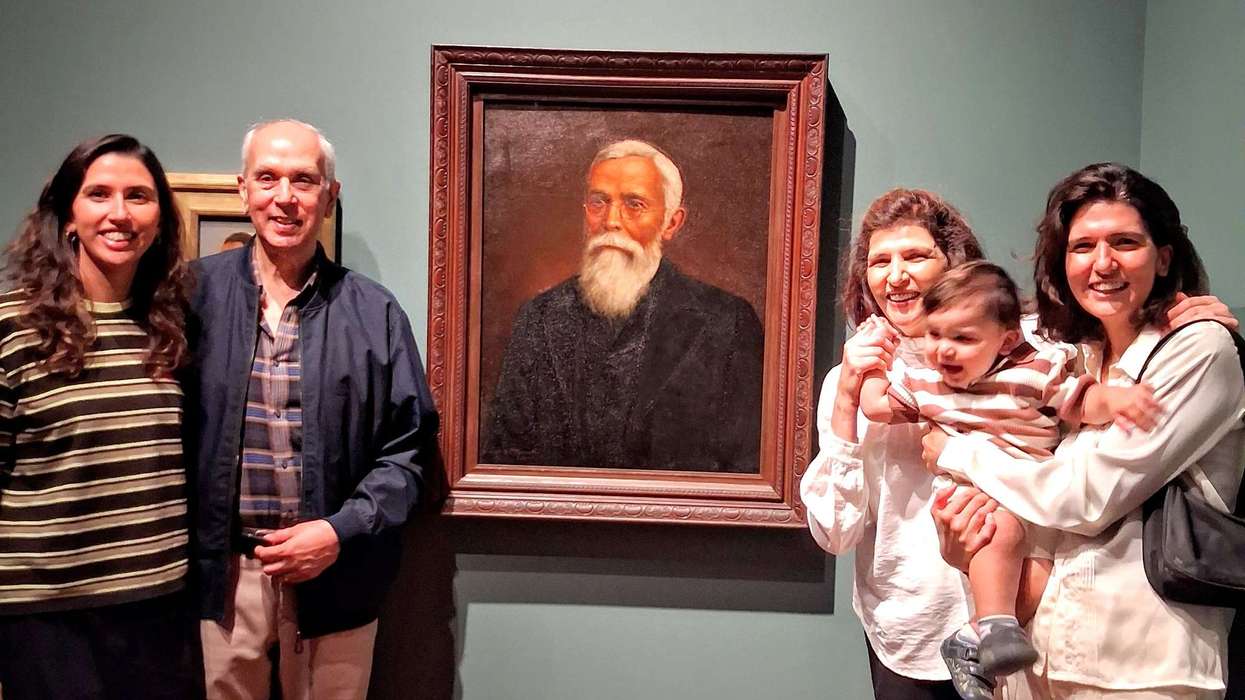
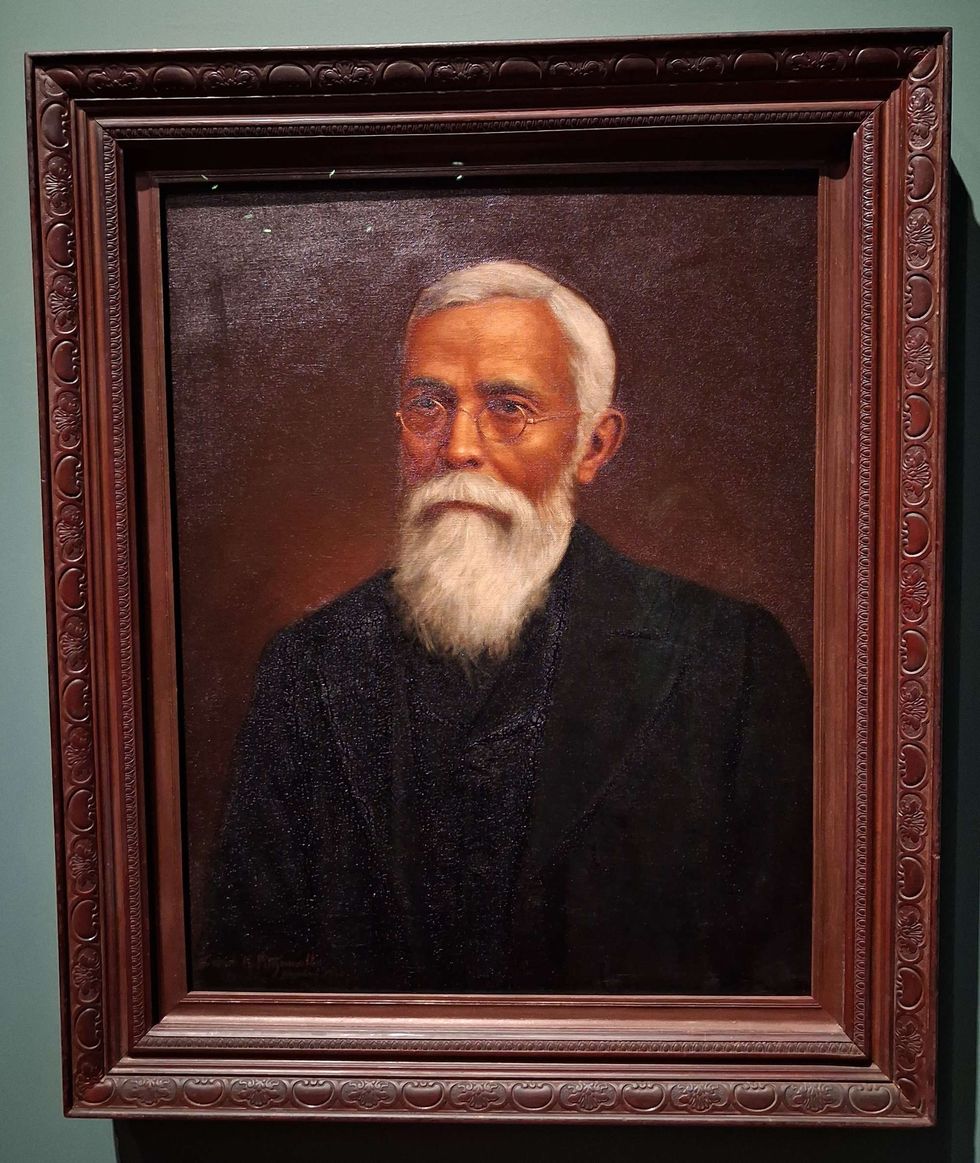 Restored portrait of Dadabhai Naoroji Amit Roy
 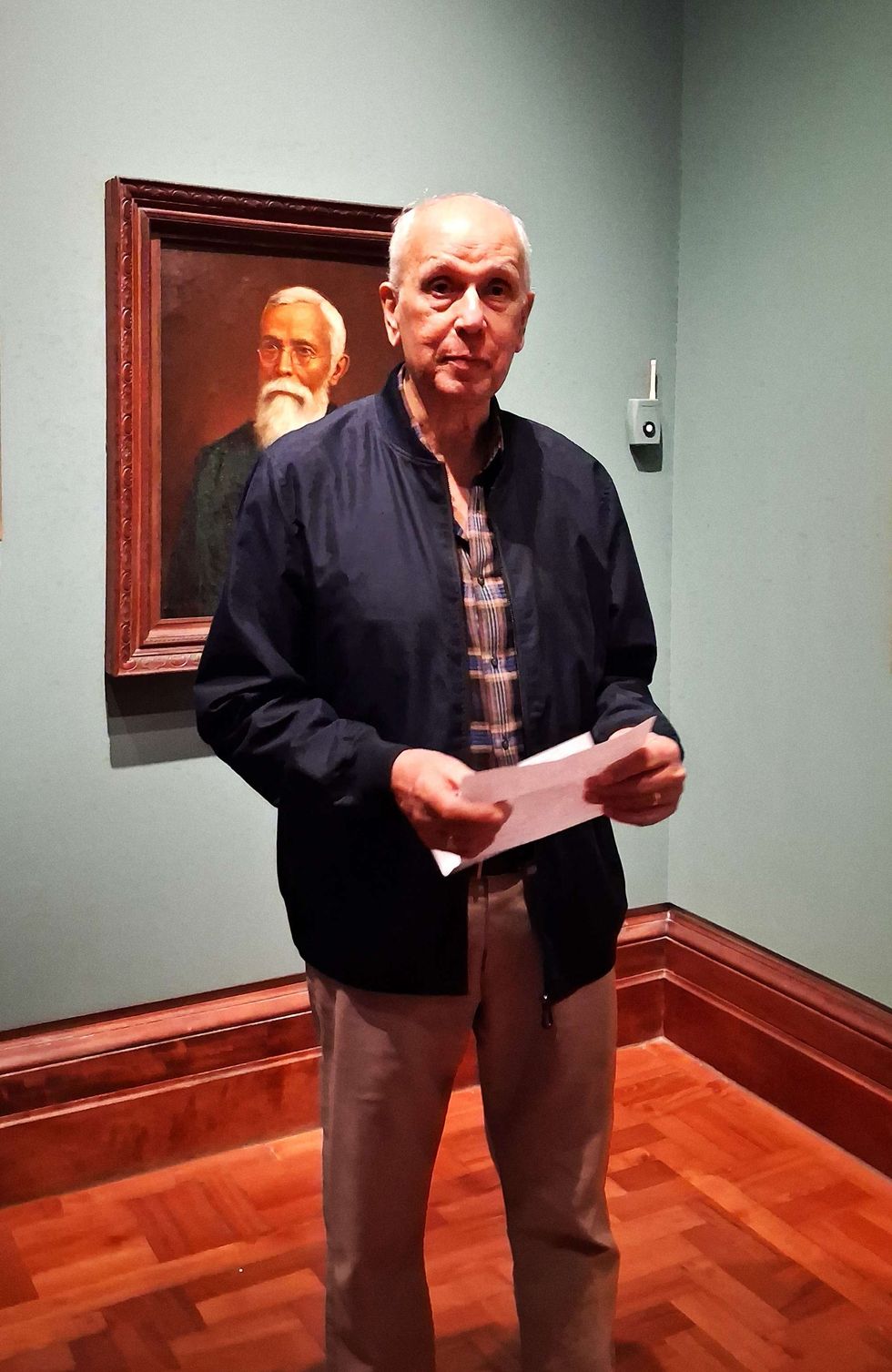 Yadgar Marker Amit Roy
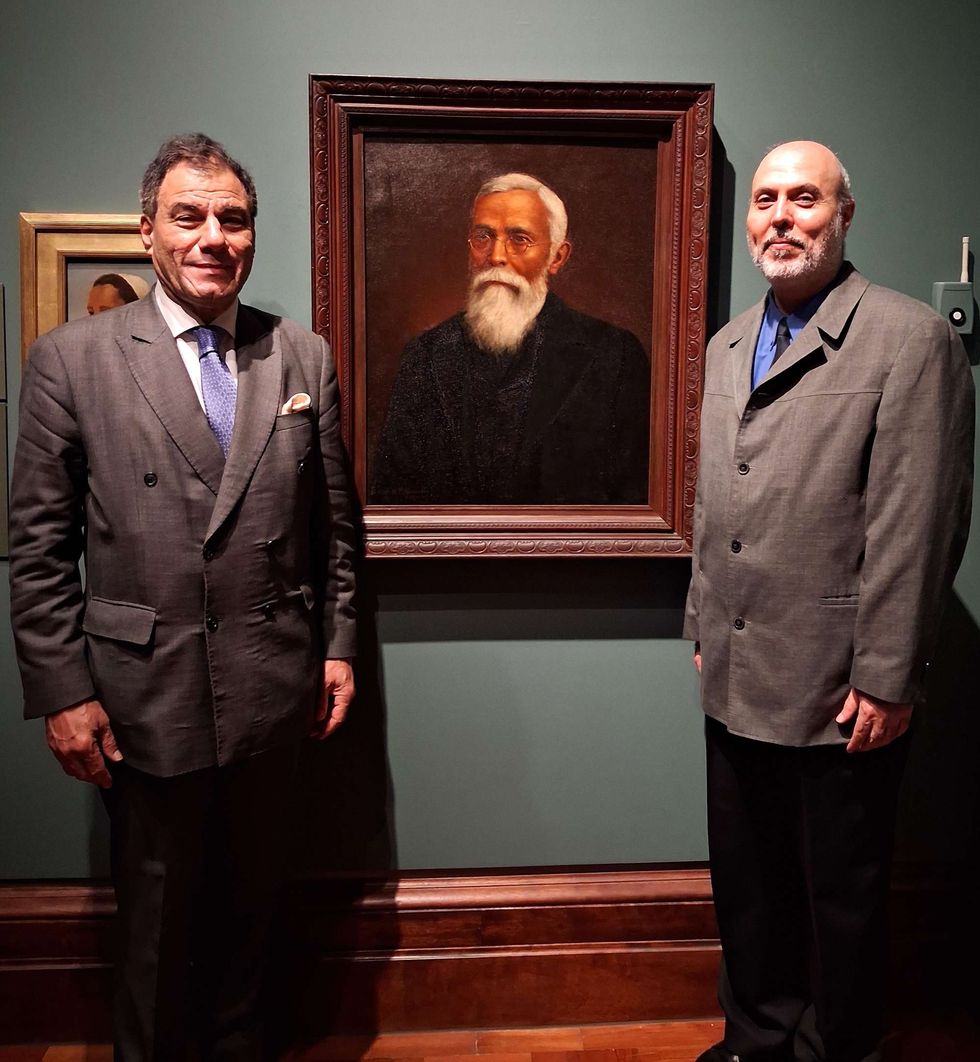 Lord Karan Bilimoria (left) and Malcolm Deboo Amit Roy
 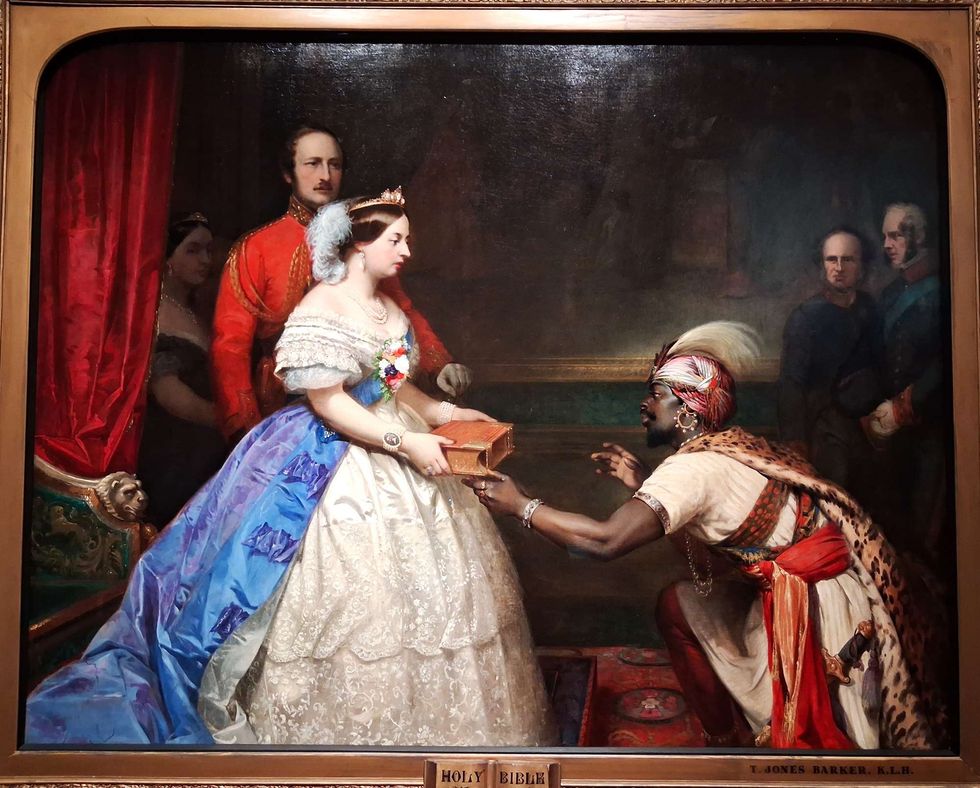 The Secret of England's Greatness. Queen Victoria presenting a Bible in the Audience Chamber at Windsor. By Thomas Jones Barker Amit Roy
 Sarah Moulden Amit Roy
 Pippa Balch Amit Roy
 Ursula Griffths Amit Roy