
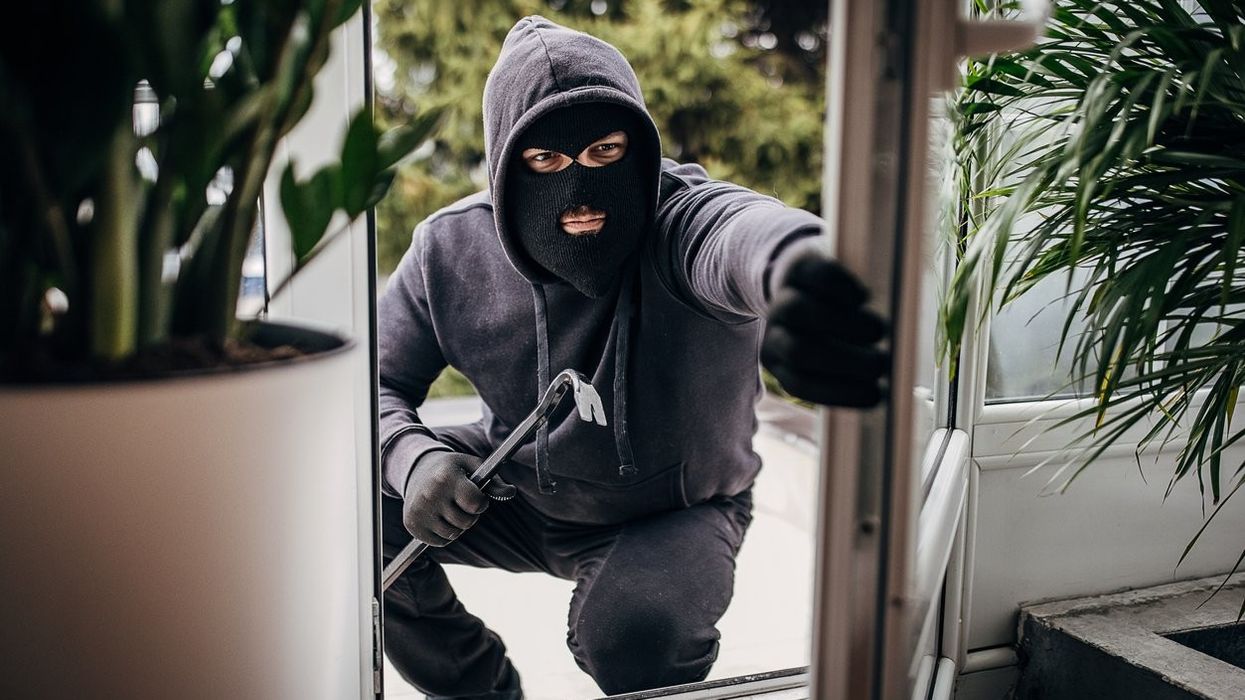
The current low charge rates for burglary, robbery and theft were “acceptable and unsustainable”, a police watchdog said, calling for concerted efforts to address crimes that “strike at the heart” of people’s safety.
According to the HM Inspectorate of Constabulary and Fire & Rescue Services (HMICFRS), police forces in England and Wales are not doing enough to help victims when they report crimes.
It said police personnel did not give victims any advice on crime-scene preservation during the initial call in nearly three-quarters of cases examined.
The watchdog’s report came after the Home Office revealed that less than seven per cent of domestic burglaries ended in the offender being charged, while the figure for theft cases was four per cent and just one per cent for car theft.
The HMICFRS said investigations were not thoroughly supervised, with a third of the cases examined having insufficient evidence of proper supervision.
HM Chief Inspector of Constabulary Andy Cooke said burglary, robbery and theft were not minor crimes as they would “strike at the heart of how safe people feel in their own homes or communities”.
“The current low charge rates for these crimes are unacceptable and unsustainable,” Cooke said and added, “there needs to be a concerted drive to address this issue because it directly affects the public’s confidence in the police’s ability to keep them safe”.
“At the moment, depending on where in England and Wales they live, some victims are more likely than others to get a thorough investigation from their force,” the Chief Inspector said.
The report recommended that burglary, theft and robbery scenes be managed according to national standards.
It said investigations should be effectively supervised.
"If I was burgled, I would fully expect to see a police officer there not because of what I do, but as a member of the public,” Cooke said emphasising the requirement of reassurance from the forces.
"I would want someone who understood how to gather forensic yield and would want to be kept updated in relation to the conduct of that case,” he said.
"But sometimes, sadly, that is not the response that we're getting,” Cooke noted as he urged police to consistently improve the way they dealt with offences.
Low clear-up rates in burglary and theft 'unacceptable and unsustainable': Watchdog
Less than seven per cent of domestic burglaries ended in the offender being charged.





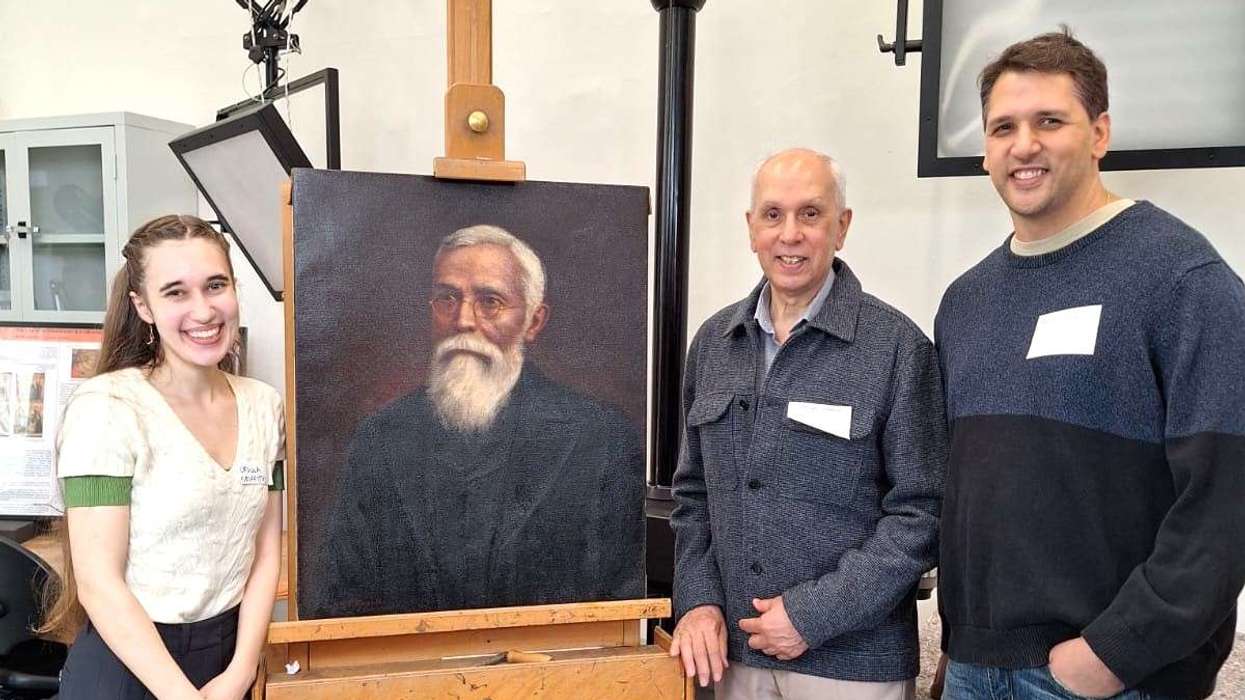
 Dadabhai Naoroji portrait at India Club Amit Roy
 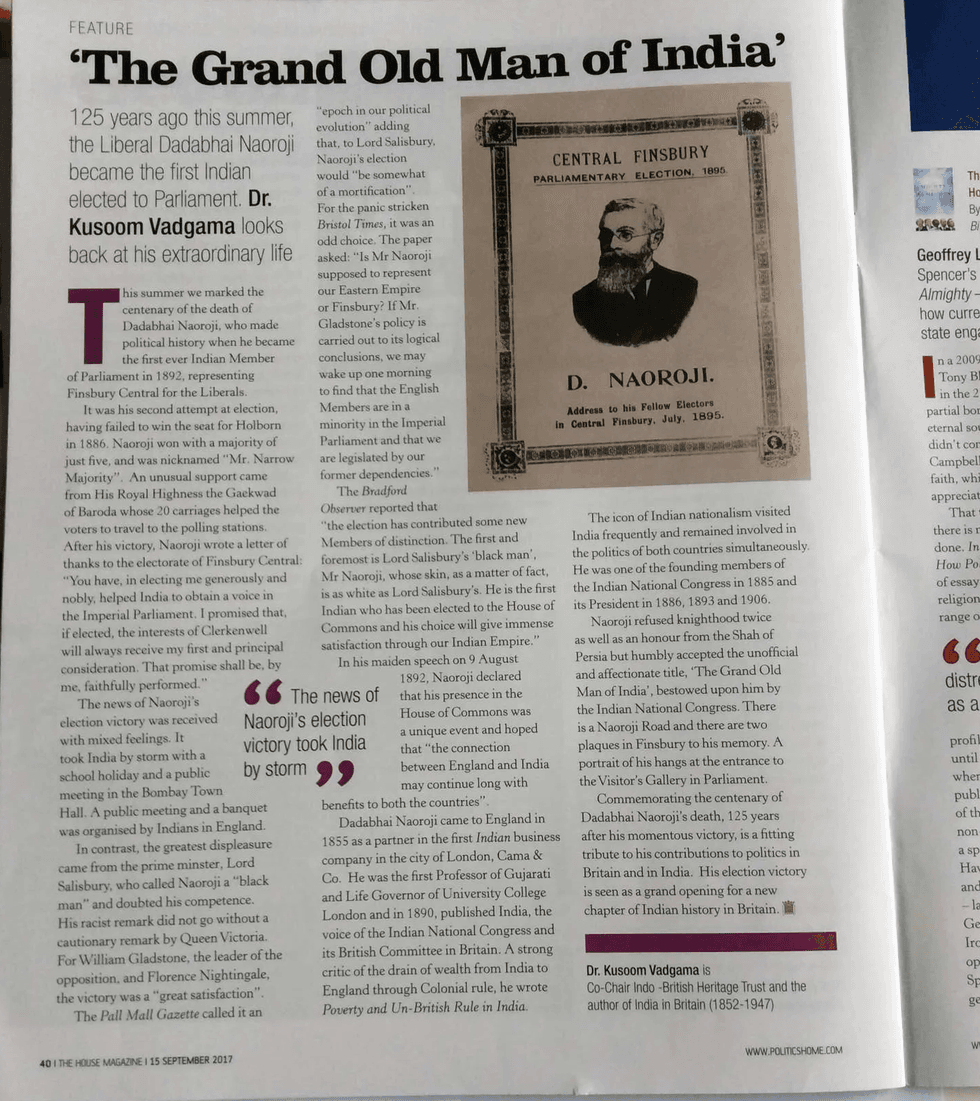 Kusoom Vadgama article on The Grand Old Man of India Amit Roy
  Malcolm Deboo speaking on the 100th anniversary of Naoroji’s death Raj D Bakrania
 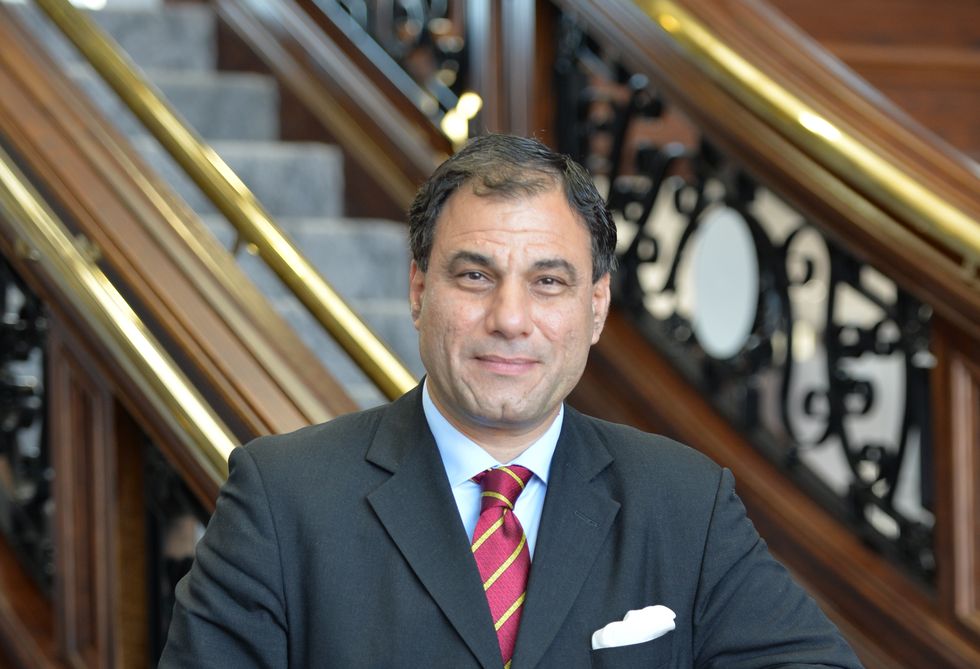 Lord Karan BilimoriaAmit Roy
 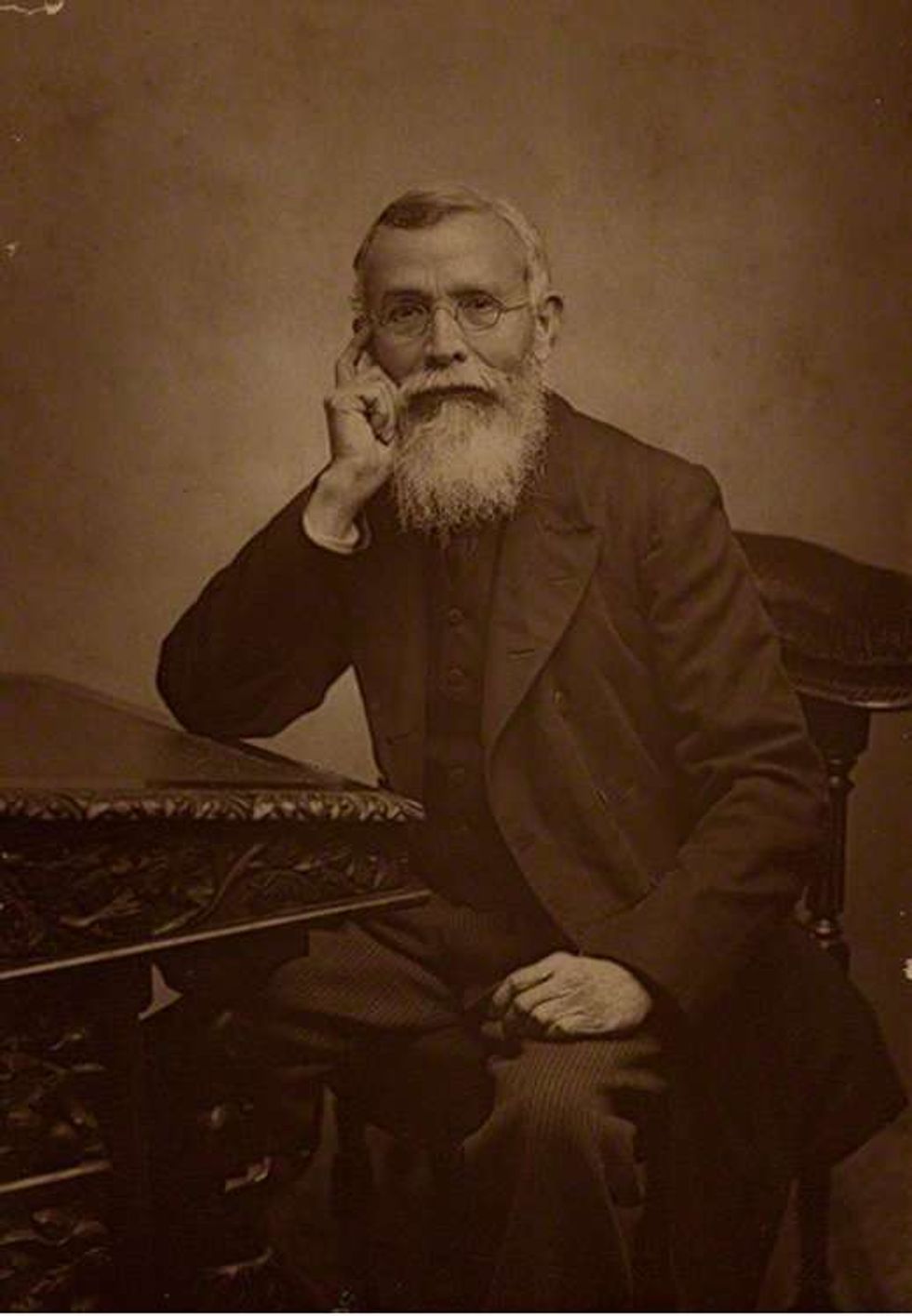 Portrait of Dadabhai Naoroji Raj D Bakrania
 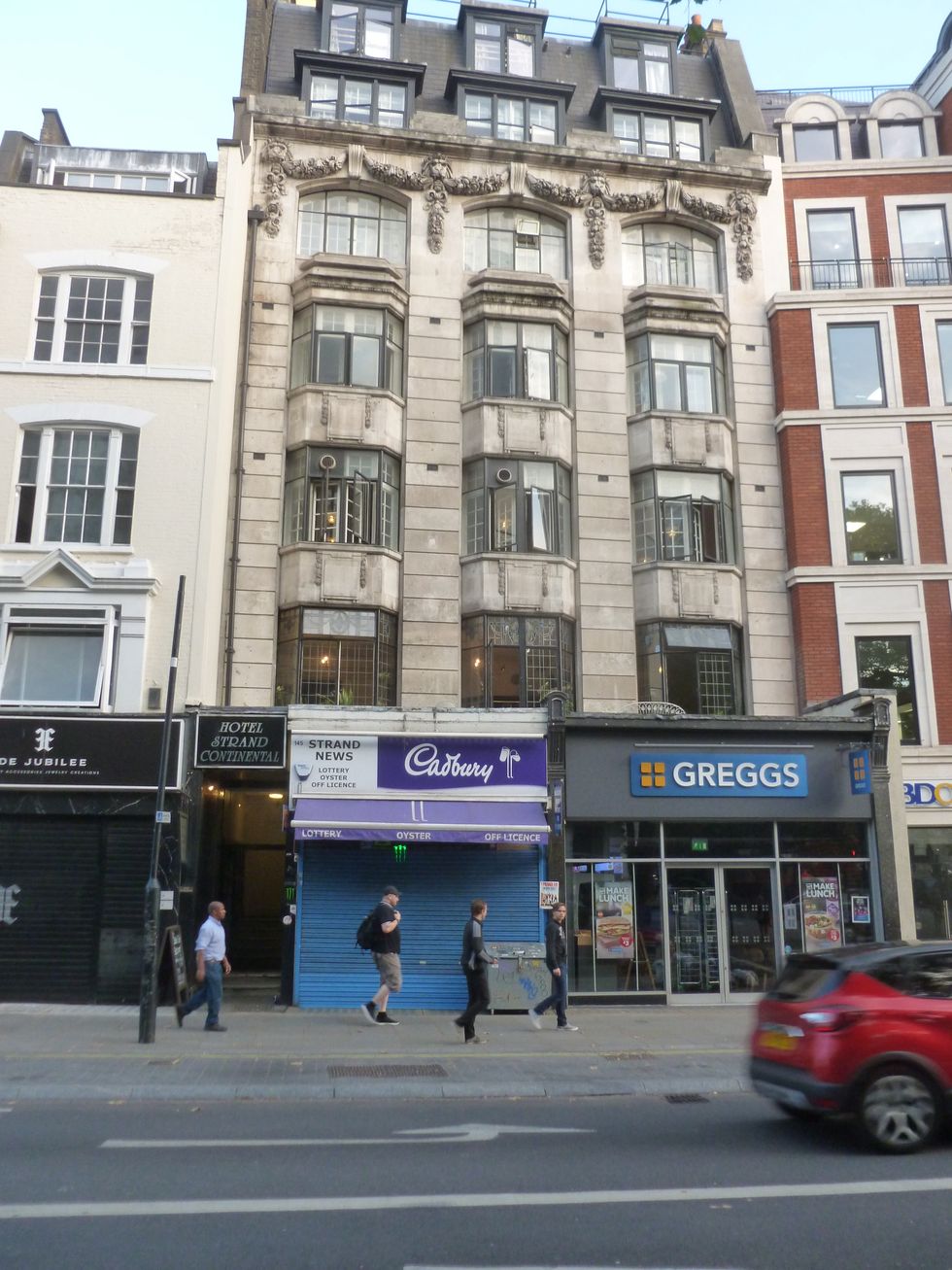 The India Club buildingAmit Roy
 India Club restaurantAmit Roy
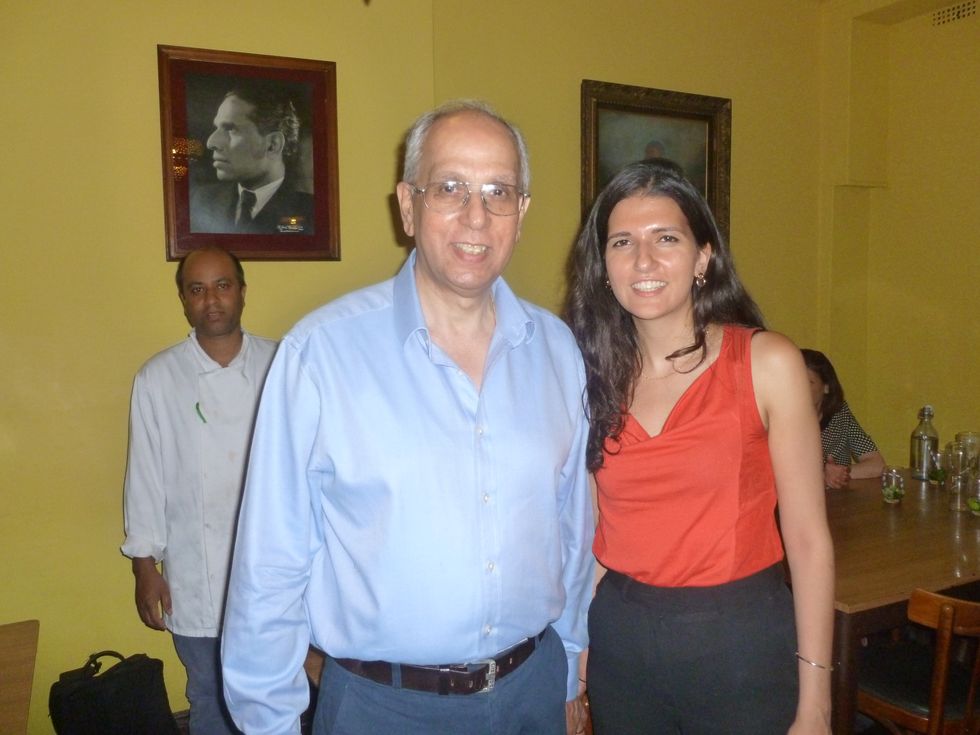 Yadgar Marker and his daughter Phiroza in front of a portrait of Krishna Menon at the India ClubAmit Roy
