
The Louvre Museum in Paris, the world’s most-visited art institution, was forced to shut its doors to the public for most of Monday, 17 June, as workers staged a spontaneous strike in protest over chronic overcrowding and deteriorating working conditions.
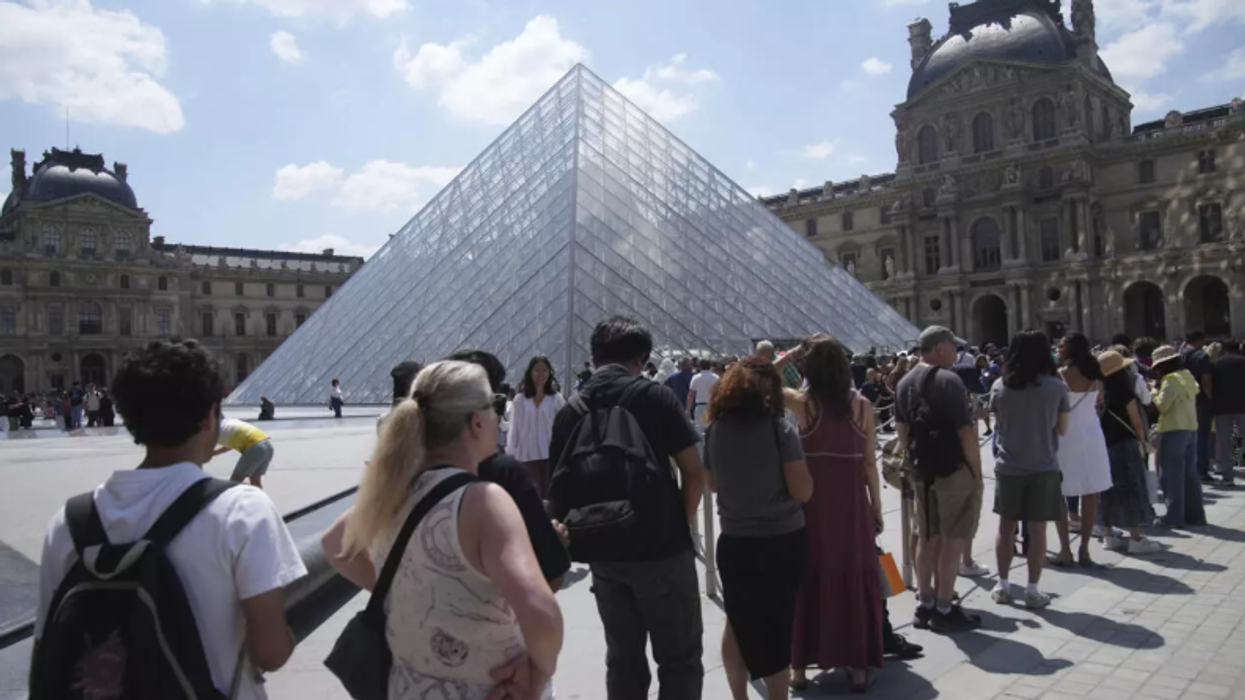
Thousands of ticket-holding visitors were left waiting in long queues beneath the museum’s iconic glass pyramid, with no clear explanation provided on-site. Many expressed frustration over the lack of communication and the disruption to their plans.
Staff protest against 'untenable' conditions
The walkout took place during a scheduled internal meeting, during which gallery attendants, security staff and ticket agents decided to withdraw their services. According to the CGT-Culture union, the protest was triggered by “unmanageable crowds”, insufficient staffing and unsafe working conditions.
Sarah Sefian of CGT-Culture said, “We can’t wait six years for help. Our teams are under pressure now. It’s not just about the art – it’s about the people protecting it.”
The strike highlights long-standing concerns among Louvre staff, including inadequate facilities for both visitors and employees. These include limited restrooms, a shortage of rest areas, and extreme temperature swings within the museum that also pose a risk to the artworks.
Louvre’s overtourism problem
Over 8.7 million people visited the Louvre in 2023 – more than double the capacity the building was designed to handle. Despite a daily visitor cap of 30,000, staff say that the volume, combined with inadequate infrastructure, turns the museum experience into a daily “physical ordeal”.
Central to the issue is the popularity of the Mona Lisa, which draws around 20,000 people a day to the Salle des États. The crowding in this room often prevents visitors from appreciating the surrounding Renaissance masterpieces. Some tourists describe the experience as overwhelming, with little chance to enjoy the art amid the noise, heat, and crowding.
Renovation plans and funding concerns
In January 2025, President Emmanuel Macron unveiled a €700–800 million “Louvre New Renaissance” plan to address the museum’s pressing issues. Under the plan, the Mona Lisa will be relocated to a purpose-built gallery with timed entry. A new entrance near the Seine River is also expected to be completed by 2031 to alleviate congestion at the existing pyramid entrance.
However, Louvre staff remain sceptical about the project’s impact. While the plan promises improved display conditions and a modernised visitor experience, unions have criticised the government for allowing annual state subsidies to fall by over 20 per cent in the past decade, despite increasing footfall.
“We take it very badly that Monsieur Le President makes his speeches here in our museum,” said Sefian. “But when you scratch the surface, the financial investment of the state is getting worse with each passing year.”
A leaked internal memo from Louvre President Laurence des Cars echoed many of these concerns. The document described failing infrastructure, including leaks and temperature fluctuations, as well as poor basic visitor services such as signage, food and restrooms.
Limited reopening possible, full closure expected Tuesday
Some striking staff indicated they might briefly reopen a limited “masterpiece route” on Monday evening to allow access to key artworks, including the Mona Lisa and Venus de Milo. However, the museum is officially closed on Tuesdays and is expected to resume normal operations on Wednesday.
Visitors affected by the strike may be allowed to reuse Monday’s tickets on another day, subject to availability.
Financial outlook and restoration timeline
The Louvre’s full renovation is expected to be financed through a mix of ticket revenue, government contributions, private donations, and proceeds from international partnerships, including licensing from the Louvre Abu Dhabi. Ticket prices for non-EU visitors are expected to increase later in 2025.
Unlike other major Parisian sites, such as Notre Dame Cathedral and the Centre Pompidou – both of which are undergoing state-funded restorations – the Louvre remains underfunded and overstretched. Staff argue that without immediate action, both the museum’s collection and its workforce are at risk.
President Macron, who delivered his 2017 election victory speech at the Louvre and used it prominently during the 2024 Paris Olympics, has promised a revitalised museum by the end of the decade.
For now, however, the Louvre remains emblematic of the broader overtourism challenges facing cultural landmarks across Europe. With no short-term solutions in place, both staff and visitors remain caught between ambition and reality.


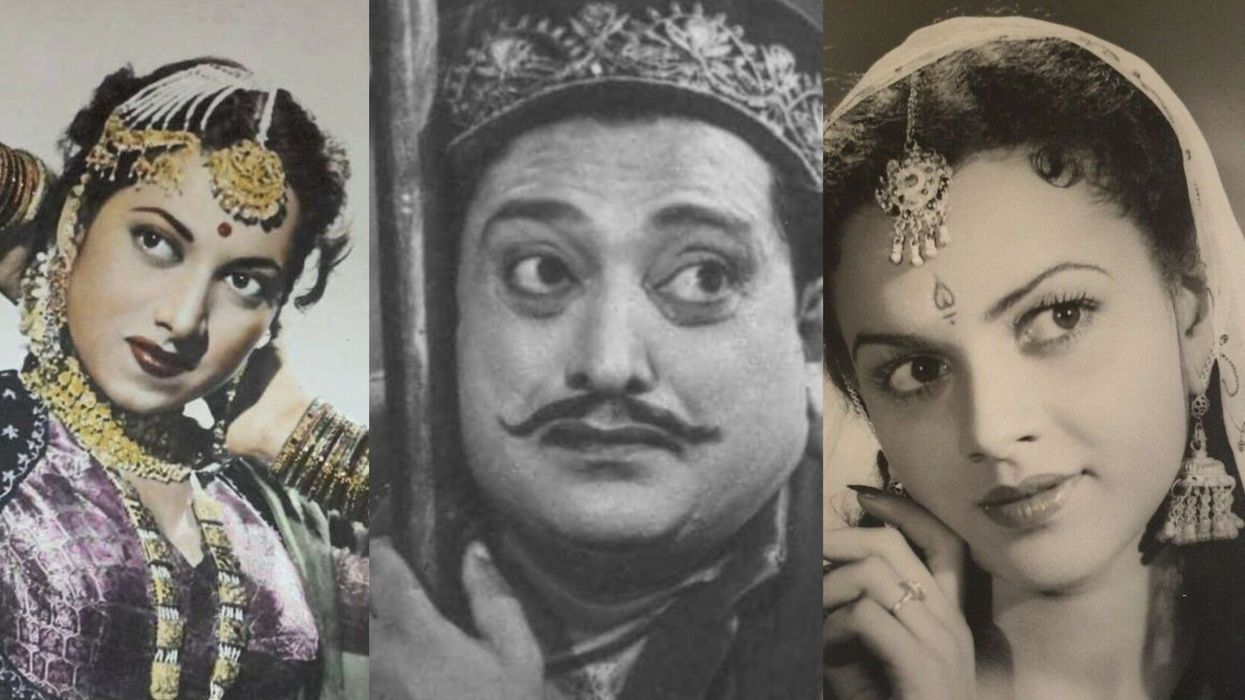
 MotilalAMG
 Geeta DuttAMG
 CuckooAMG
 Sulochana aka Ruby MyersAMG
 Bharat Bhushan AMG
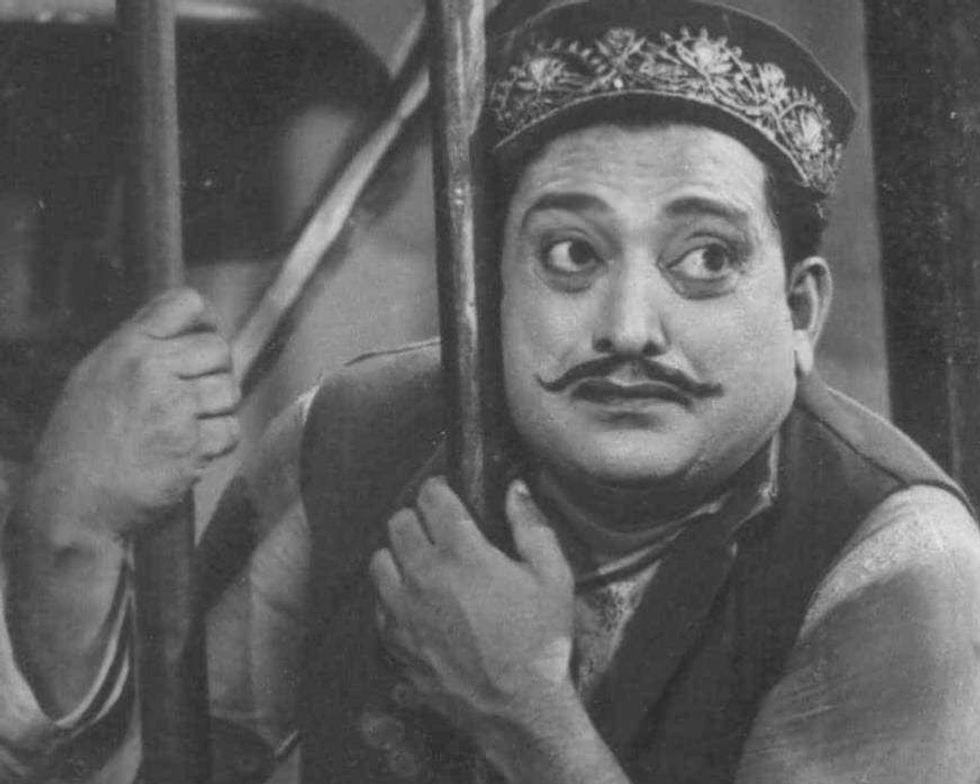 Bhagwan DadaAMG
 SuraiyaAMG
 Parveen BabiInstagram/ Parveen_babifan
 NadiraAMG
 Nalini Jaywant AMG
 SadhanaAMG
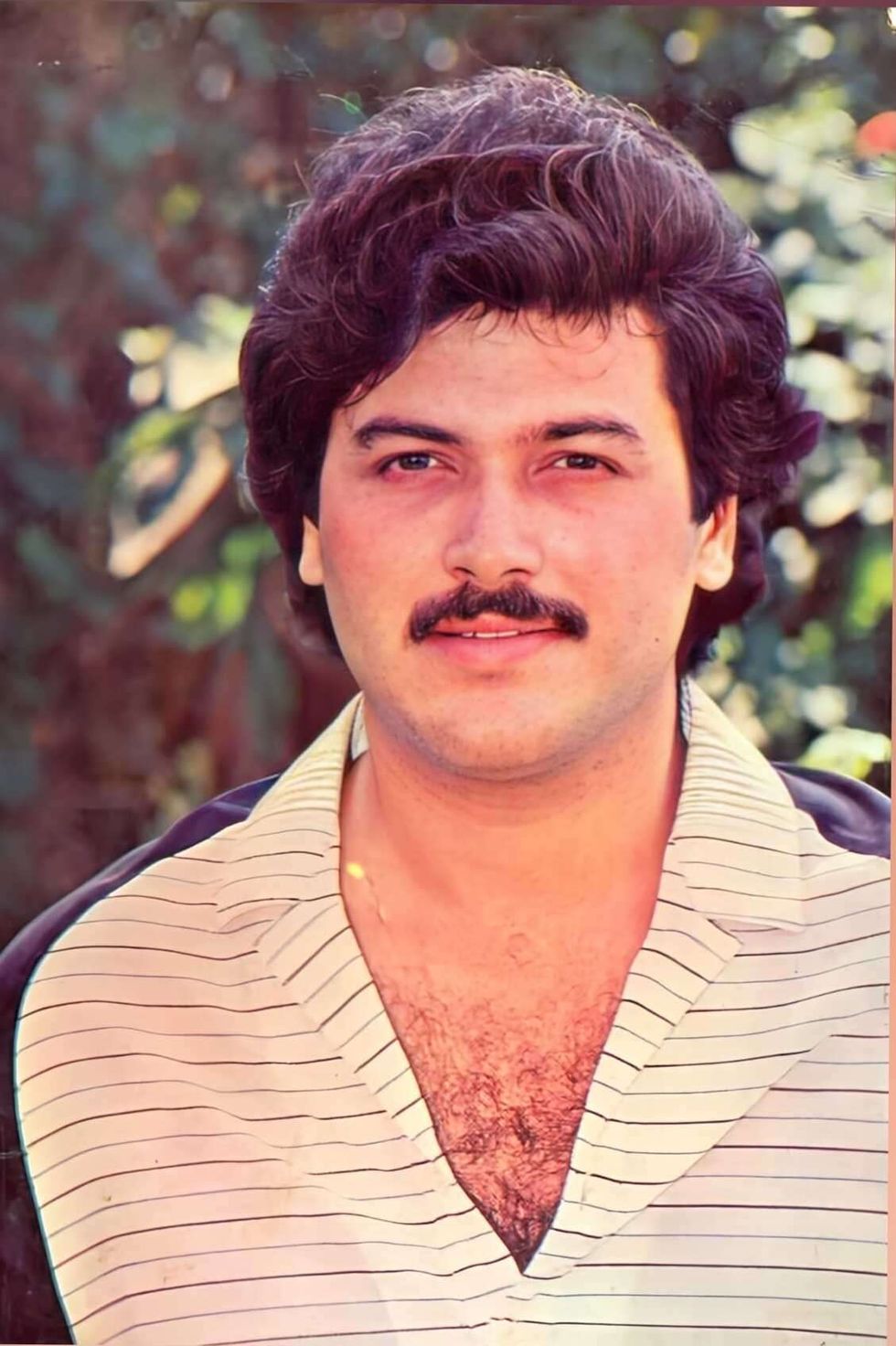 Raj KiranAMG