
- Lidl GB sales rose 10.8 per cent to £13bn in the year to February.
- Pre-tax profit jumped to £245.5m as 43 million more customer visits were recorded.
- Its Deluxe range grew 12 per cent as shoppers traded restaurant meals for premium food at home.
Lidl is gaining ground on Britain's biggest supermarkets by doing something that might seem contradictory: helping shoppers spend less while giving them more reasons to spend at Lidl.
The German-owned discounter reported a 10.8 per cent rise in revenue to £13bn for the year to February 28, 2026, while pre-tax profit climbed nearly a third to £245.5m. Its operating profit reached £345m, up from £314m a year earlier.
The supermarket attracted 43 million additional customer visits during the year, with growth across core categories including meat, poultry, fruit and vegetables. It also sold 486 million more products than in the previous year.
That growth has helped Lidl overtake Morrisons and become the fifth-largest grocery chain in Great Britain.
Its market share reached 8.7 per cent in the latest industry figures, up 0.4 percentage points from a year earlier.
So what is driving the shift?
The supermarket where shoppers can trade down and up
Lidl's biggest advantage remains its ability to compete on price.
The company said it invested £315m in price cuts and promotions during the year, including its “Pick of the Week” offers. That matters at a time when food prices are still rising, particularly for fresh produce.
But Lidl's growth is not entirely about shoppers buying the cheapest item on the shelf.
Its Deluxe range, which includes more premium food and other products, recorded a 12 per cent increase in sales.
Lidl GB chief executive Ryan McDonnell said the trend reflected households changing how they spend on food.
“Deluxe sales are up 12% as more households dine in rather than eat out,” McDonnell said. “Customers are looking to trade up and treat themselves at home.”
In other words, some consumers appear to be making a compromise rather than simply cutting spending.
A restaurant meal can be dropped from the budget, while a more expensive piece of meat, dessert or bottle of wine for a meal at home can still feel like an affordable treat.
That gives Lidl a wider opportunity than simply competing for the most price-conscious shopper.
The chain is also benefiting from a loyalty strategy that its main German discount rival, Aldi, has largely avoided.
The number of Lidl Plus users increased by 23 per cent during the year. Lidl's digital loyalty programme gives the retailer another way to offer personalised discounts while encouraging shoppers to return to its stores.
That is becoming increasingly important as traditional supermarkets use their own loyalty schemes to fight back against discounters.
Tesco and Sainsbury's, for example, have expanded loyalty-based discounts and lower-priced ranges designed to narrow the gap with Aldi and Lidl.
Lidl is no longer just the cheap alternative
The bigger change may be happening in how British shoppers view the discounter.
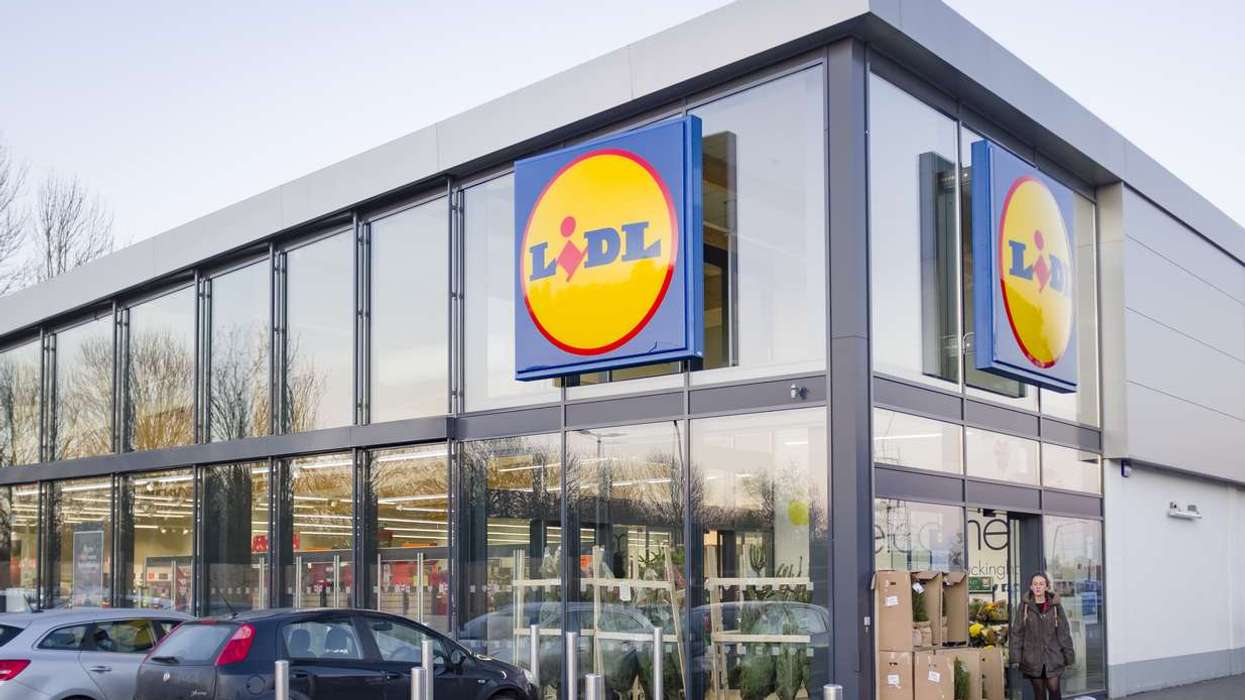
Lidl has spent years expanding its store network, improving its fresh-food offering and investing in its bakery and premium ranges. It now operates about 1,010 stores in Britain and employs around 35,000 people.
The company plans to open more than 50 new stores in its current financial year as part of a £600m investment programme.
That expansion comes as Lidl continues to take customers from established supermarkets.
The company said it recorded more than £650m in direct switching from competitors during the latest financial year, suggesting that its growth is not simply coming from people spending more on groceries overall.
Its rise is also putting pressure on Aldi.
While both German discounters have transformed Britain's supermarket landscape, Lidl has recently gained momentum through its combination of a loyalty programme, fresh-food expansion and premium own-label products.
Traditional supermarkets are responding with their own price campaigns and loyalty discounts, making the British grocery market increasingly competitive.
For shoppers, that could mean more promotions and lower prices as retailers fight to protect market share.
For Lidl, the challenge is different.
It has shown that a discounter can persuade customers to walk through its doors for cheaper essentials and then spend more on premium products once they are there.
That could be the formula behind its next phase of growth: not simply being the supermarket where Britain shops cheaply, but one where shoppers feel they can afford to treat themselves too.