
Highlights
- Leon co-founder John Vincent says weight loss injection users want the healthy food his chain serves.
- Company losing £10m annually, leading to closure of 20 High Street restaurants and restructuring of 71 locations.
- Chain planning expansion in service stations, airports and train stations whilst retreating from expensive High Street sites.
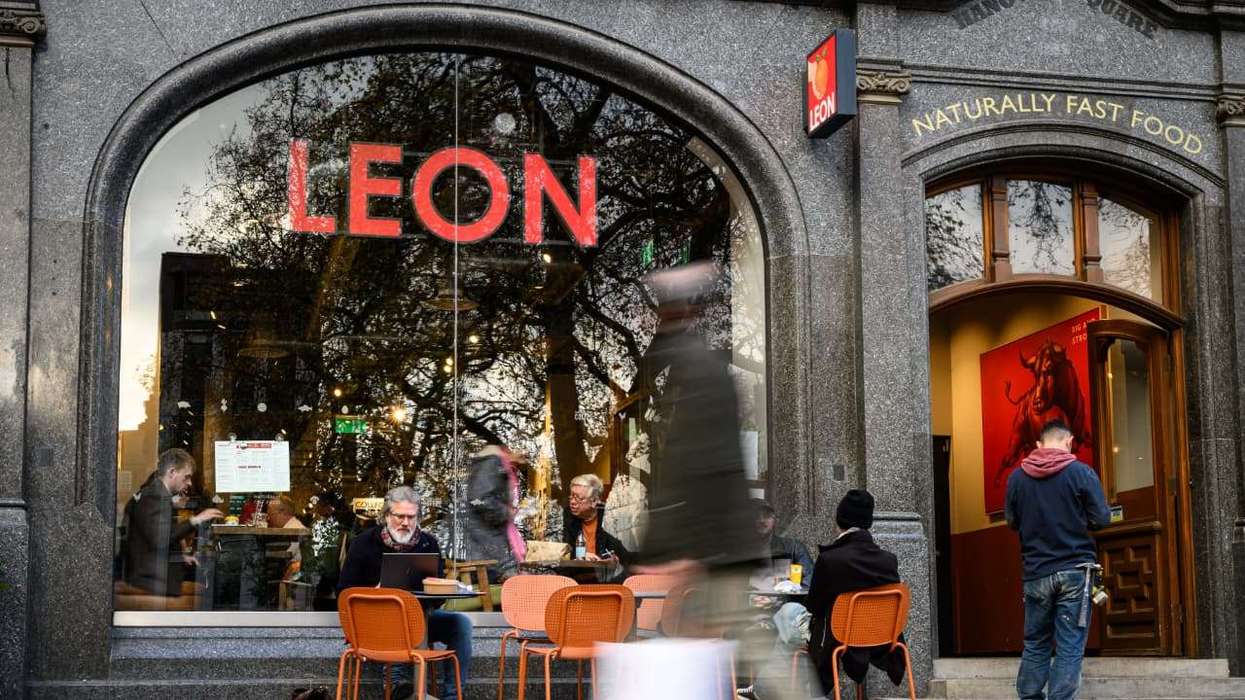
Leon's boss believes the rising popularity of weight loss jabs presents an "opportunity" for the struggling fast-food chain, as it serves the type of healthy food people on the injections want to eat.
John Vincent, who bought back the company from Asda last year, told the BBC that Leon's typically low-sugar dishes flavoured with herbs and spices align with what weight loss injection users seek.
"We are actually seeing the food we enjoy eating at Leon is actually the sort of food people on weight loss jabs want to eat," Vincent said, speaking on the BBC's Big Boss Interview podcast.
He acknowledged the chain would "definitely" need to consider portion sizes, noting that helping people on injections get enough protein and maintain muscle mass "is just as important as calories."
Restructuring and retreat
The comments come as Leon undergoes major restructuring after appointing administrators last month. The chain, which operates 71 restaurants employing 1,000 people, has been losing £10m annually and closed 20 High Street locations.
Vincent blamed "incredibly toxic" tax rises for the hospitality industry's struggles. Upcoming business rates increases, combined with overall cost pressures, have made High Street operations unprofitable, he said.
"If taxes on businesses increase further, the only people that are going to survive are those selling food that's not very good quality," he warned.
In April, business rates relief for hospitality introduced during Covid will end, while increases in premises' rateable values take effect.
The Treasury indicated it would announce further assistance for pubs but has faced criticism from other hospitality businesses over their exclusion.
Vincent said Leon would focus on expansion in service stations, airports and train stations, where higher revenues offset lower profit margins.
Despite airports taking large slices of takings, a 2 per cent profit margin there "is worth the same as a 6 per cent on the High Street," he explained.
The founder also admitted Leon had drifted from its original mission of good-quality fast food for the masses after being sold in 2021, resulting in menu confusion.
"We were not about posh fast food for posh people. That was never our intention," Vincent said, promising to restore simplicity with menu changes this year.