
Highlights
- Kew Gardens will shut its iconic Palm House for up to four years
- Grade I-listed building to undergo major restoration as part of net-zero strategy
- Gas boilers to be replaced with modern heat pumps
- Rare plant collection, including 45 endangered species, to be relocated during works
- Palm House and Waterlily House will become the first net-zero glasshouses globally
Historic Palm House to undergo major upgrade
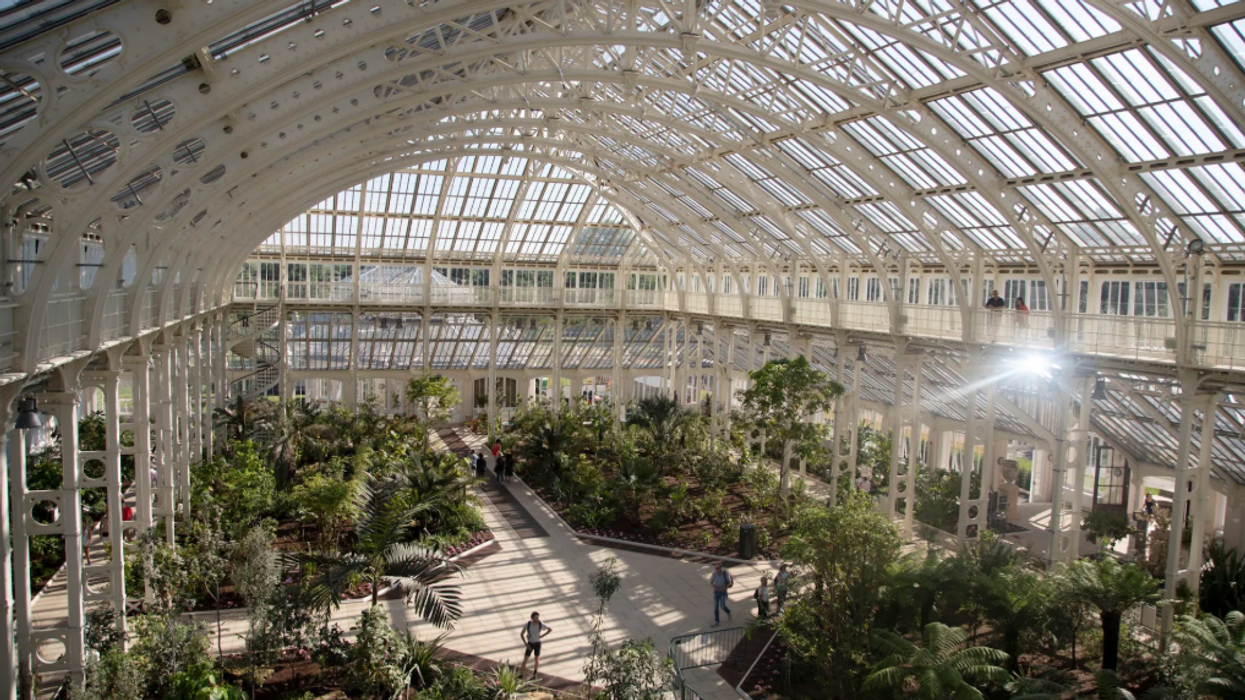
Kew Gardens will temporarily close one of its most recognisable landmarks, the Grade I-listed Palm House, for up to four years as part of an ambitious net-zero redevelopment plan. Opened in 1848, the glasshouse is home to a globally significant collection of tropical plants and houses the world’s oldest potted plant—an Encephalartos altensteinii dating back to 1775.
The Palm House, along with the neighbouring Waterlily House, will be transformed into the world’s first net-zero glasshouses through a large-scale renovation focused on improving energy efficiency and reducing carbon emissions.
Plans to modernise historic infrastructure
The project, submitted last week to Richmond-upon-Thames borough council, will replace ageing gas boilers—installed more than 100 years ago—with modern heat pumps. These upgrades are designed to help Kew Gardens meet its sustainability targets while preserving the conditions required to house rare tropical species.
Each pane of glass in the structure will be removed and recycled. New, more robust glazing will be fitted using advanced sealants designed to retain heat and humidity, crucial for plant survival.
The Palm House’s iron ribs will also be stripped, repaired and repainted in the original colour used when the structure first opened.
Funding for the scheme will come from a combination of grants and private investment.
Protecting rare and endangered plant life
During the renovation, the entire plant collection—comprising towering palms, passion plants, and 45 species at risk of extinction—will be carefully relocated to temporary glasshouses to ensure their survival.
Tom Pickering, head of glasshouse collections at Kew, described the project as both a dream and a major responsibility. “The aim is to make the Palm House energy efficient while retaining all the magic of what it is today in terms of planting and horticulture,” he said.
Reviving a global icon with modern innovation
Richard Deverell, director of Kew Gardens, emphasised the urgency of the work, saying: “The Palm House and Waterlily House represented the latest in design and build at the time of their construction, but they are showing serious signs of deterioration and are not at all energy efficient.”
“Without urgent work, these iconic listed buildings and the vital tropical plants they protect are at risk of being lost forever,” he added.
Deverell called the project an “epic opportunity” to combine cutting-edge technology with heritage conservation. He said architects, engineers and Kew’s horticultural team have already spent years developing and testing the features that will help secure the buildings’ future.