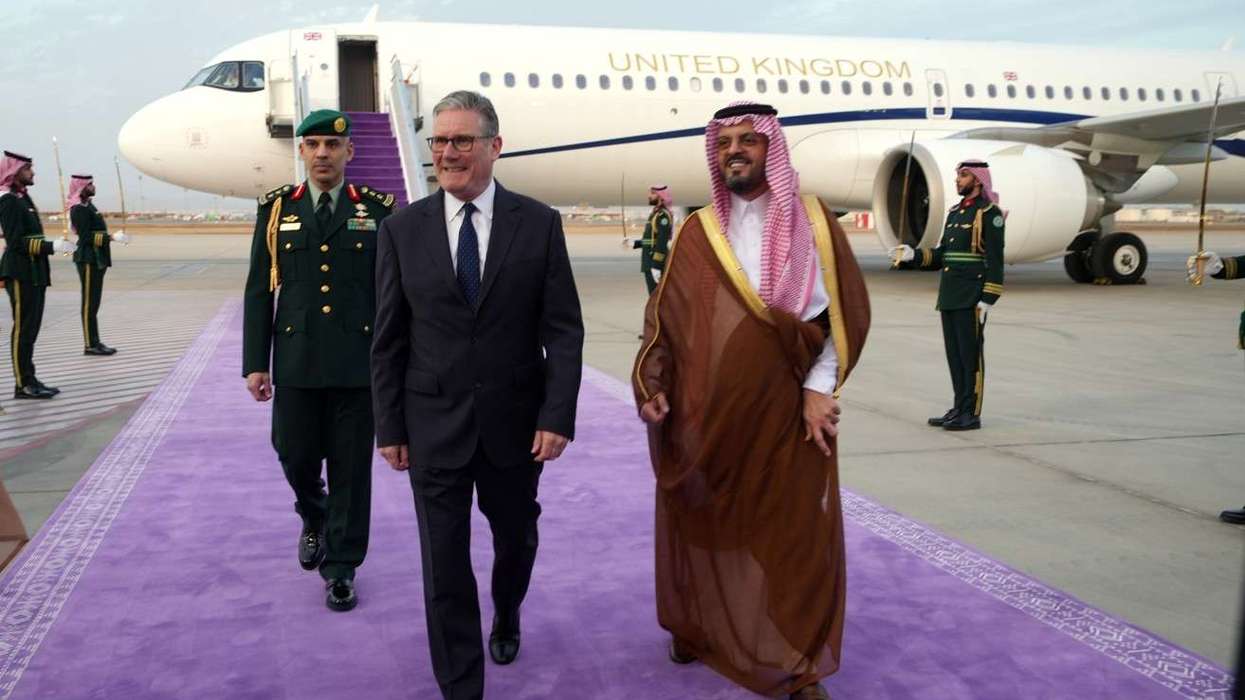

PRIME MINISTER Keir Starmer said on Wednesday that more work is needed to reopen the Strait of Hormuz after the US-Iran ceasefire, as he began a visit to the Gulf.
Speaking to military personnel at a base in Saudi Arabia, he said, "We now ... have a ceasefire, but there’s a lot of work to do, as you will appreciate, a lot of work to make sure that that ceasefire becomes permanent and brings about the peace that we all want to see."
He added, "But also a lot of work to do in relation to the Strait of Hormuz, which has an impact everywhere across the world."
Starmer said the focus was on keeping the waterway open and stabilising energy supplies. "It's our job to make sure that the Strait is open, that we're able to get the energy that the world needs out and stabilise the prices back in the United Kingdom," he told reporters.
He arrived in Saudi Arabia on Wednesday, on the first stop of a Gulf tour aimed at supporting the ceasefire. The visit had been planned before the ceasefire was announced. He is expected to meet Crown Prince Mohammed bin Salman.
As his arrival was announced, Saudi Arabia’s defence ministry said it had intercepted nine drones targeting its territory in recent hours despite the ceasefire. The ministry did not give details of the locations or targets.
Earlier, Starmer welcomed the ceasefire, saying it "will bring a moment of relief to the region and the world".
"Together with our partners, we must do all we can to support and sustain this ceasefire, turn it into a lasting agreement and re-open the Strait of Hormuz," he added.
Later, he issued a joint statement with leaders of Canada, Japan and European countries, saying efforts should now focus on ending the war "within the coming days".
"This can only be achieved through diplomatic means," the statement said.
The visit follows meetings led by the UK on securing the Strait of Hormuz. A virtual meeting of military planners from more than 30 countries explored steps to make the route accessible and safe after the ceasefire, according to the Ministry of Defence.
Last week, a UK-led diplomatic meeting of around 40 countries also discussed the waterway. British foreign secretary Yvette Cooper also spoke to US secretary of state Marco Rubio about diplomatic measures to reopen it.
The Strait of Hormuz has been largely closed since the war began, affecting supplies of oil, liquified natural gas and fertiliser.
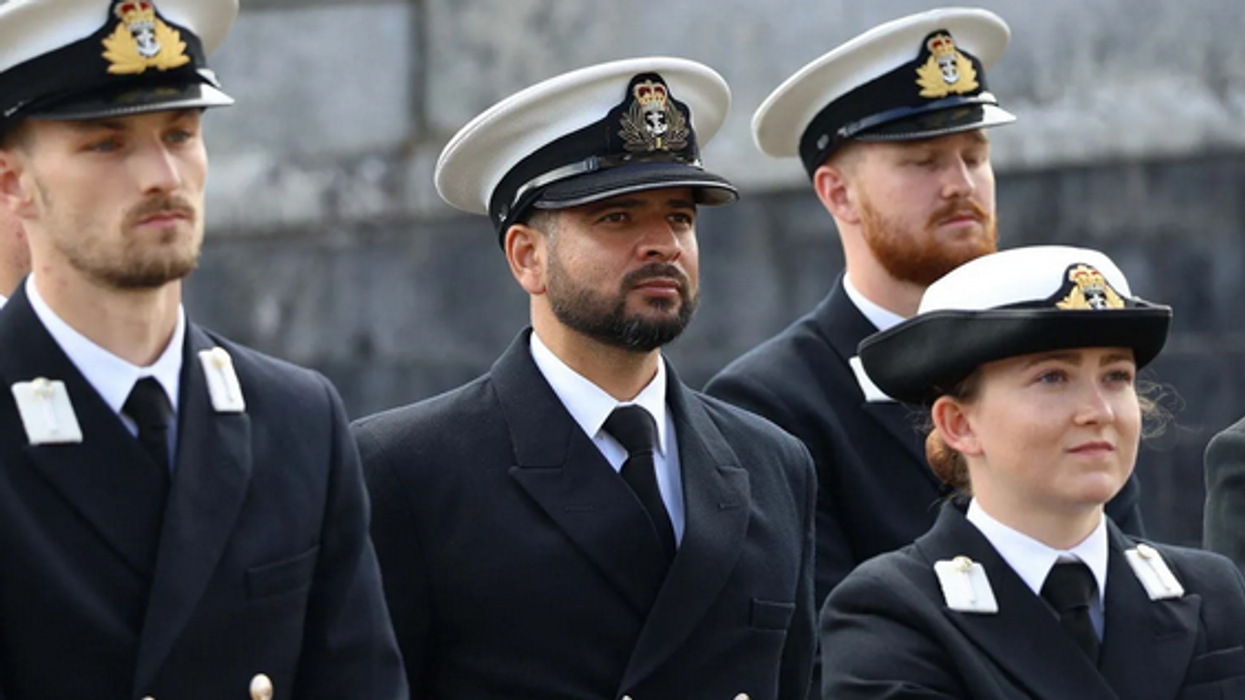
During the conflict, UK armed forces personnel intercepted more than 110 drone attacks in the region, while the Royal Air Force carried out more than 1600 hours of defensive operations, according to Downing Street.
(With inputs from agencies)