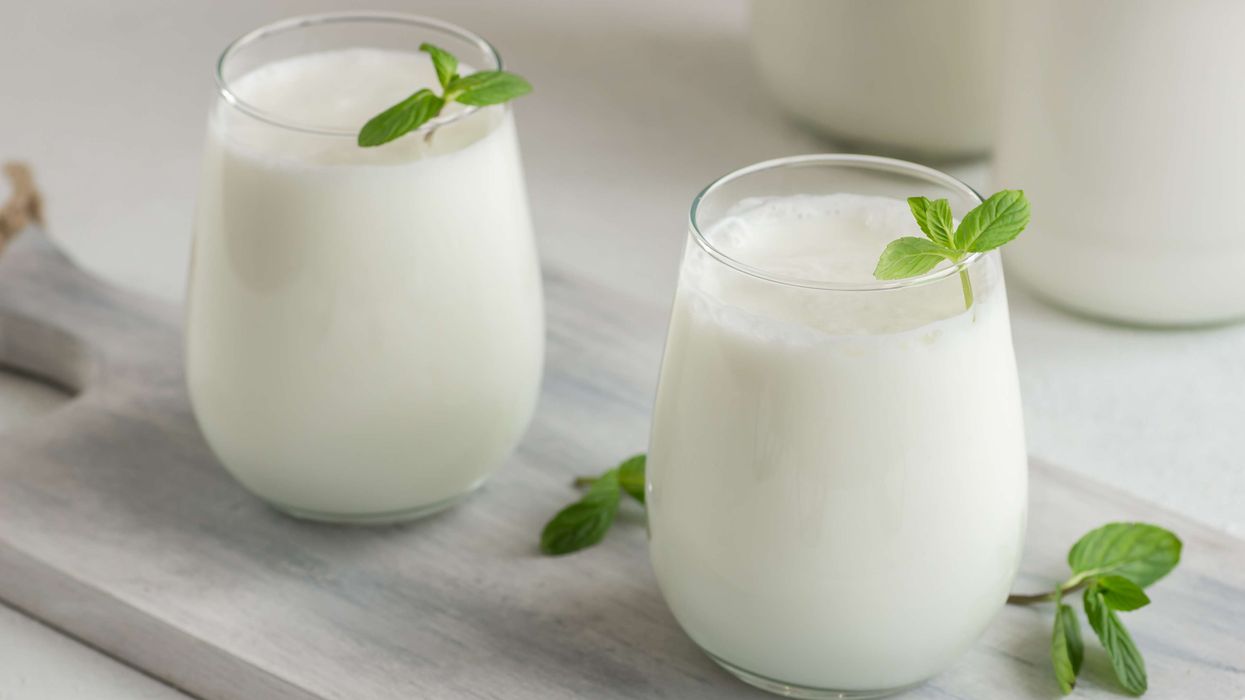

For centuries, fermented foods like kimchi, miso, and dosa batter have been staples in Asian diets, valued not just for flavour but also for their health benefits. Yet one fermented food still relatively new to many households is kefir — a cultured milk drink rich in probiotics that support digestion, immunity, and overall wellbeing.
As a vegetarian who is health-conscious, I decided to try Bio & Me kefir every day for a month. I often struggle with bloating, so I was curious to see if it could help. The results were undeniable. My digestion improved, my bowel movements became more regular, and I no longer had that heavy, uncomfortable, bloated feeling. I also felt fuller for longer after meals, which helped me manage my energy and avoid unnecessary snacking. Most importantly, kefir fitted seamlessly into my daily routine.
Why kefir worked for me
My diet can be rich in carbohydrates such as rice, noodles, and breads, but can sometimes be low in fibre. Kefir’s probiotics help balance the gut microbiome, easing bloating and supporting regularity. For me, it even became a simple breakfast substitute. On days when I wasn’t in the mood for food early in the morning, I’d have a glass of vanilla or plain kefir, which kept me satisfied until lunchtime.
I sometimes find having too much regular milk also makes me pass wind and so I turn to plant based milj and I’ve found from speaking to lot of people in the Asian community a large proportion of Asians, dairy can often be difficult to digest. Kefir, however, is much gentler because its fermentation process breaks down most of the lactose.
Feeling Fuller: The combination of protein and probiotics in kefir helps you feel satisfied for longer. As a vegetarian, I find this particularly valuable because it provides an easy way to get additional protein into my diet.
Boosted Immunity: A healthy gut is linked to stronger immune function. In today’s fast-paced and stressful world, adding a simple daily drink like kefir can make a real difference. I found it prevented me from getting a cold or a cough which I normally would quite easily.
Making kefir part of an Asian diet
Kefir might be new to many of us, but it can be easily adapted to traditional tastes.
- Blend it with mango or lychee for a familiar tropical twist.
- Use it as a base for a lassi-style drink — delicious and refreshing.
- Add it to smoothies with oats, berries, and seeds for a nourishing breakfast.
A modern addition to ancient traditions
Fermented foods are not new in Asian culture — from soy sauce and miso to idli batter, we have long relied on microbes for both flavour and nutrition. Kefir is simply a modern addition to this tradition, one that offers unique everyday health benefits.
After just a month of kefir, I experienced tangible changes to my digestion, energy, and overall well-being. It has become part of my daily life, and I can honestly say I now wouldn’t be without it. For the Asian community — especially those who are vegetarian, lactose-intolerant, or health-conscious — kefir can be a powerful yet simple step towards better health.
The science behind kefir
Dr Megan Rossi, PhD, RD, APD, also known as The Gut Health Doctor, explains: “Kefir contains millions of microbes, which are great for gut-loving diversity. Although no specific studies are looking at kefir in isolation, one study from Stanford University showed that following a diet high in traditional fermented foods, including kefir, increased the diversity of gut microbes and lower levels of inflammation.
She adds “fermented dairy may also support those with chronic constipation, protect the oral microbiome, help regulate blood sugar in type 2 diabetes, and even produce bioactive compounds that lower blood pressure”.
How much should you have?
Dr Rossi recommends starting with 100ml a day in the first week and gradually increasing. Most clinical trials suggest that after about four weeks, the benefits begin to show.
Final verdict
Kefir may be a small daily habit, but for me, it has been transformative. It eased my bloating, improved my digestion, and gave me an easy way to boost my nutrition as a vegetarian. For the Asian community, it is both a continuation of our fermentation traditions and a modern path to better gut health.