
Highlights
- Kantara showcases the ancient ritual of Bhoota Kola
- Panjurli and Guliga Daiva inspire the film’s central narrative
- The movie blends folklore, mythology, and cinematic spectacle for global audiences
A local myth on the global stage
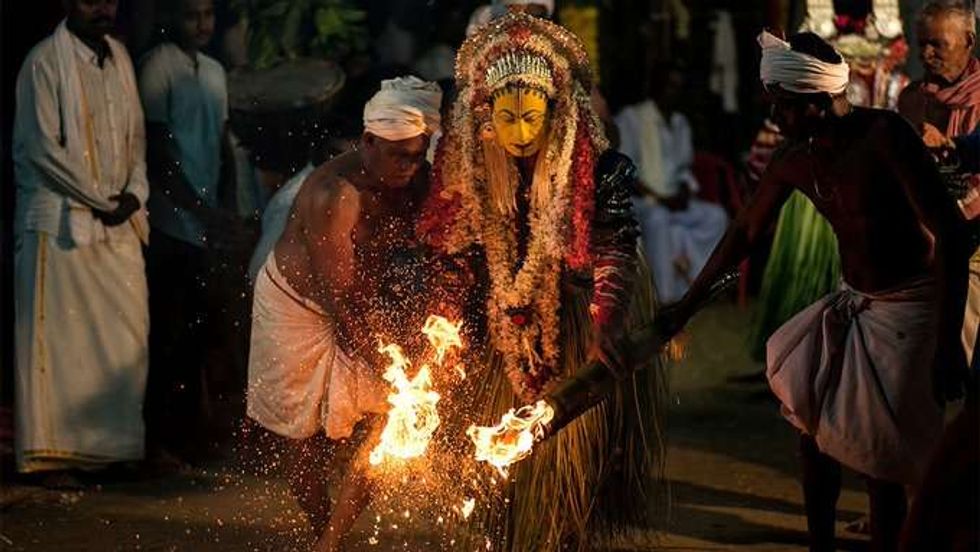 Bhoota Kola of Kalurti X/Ranvijay Singh
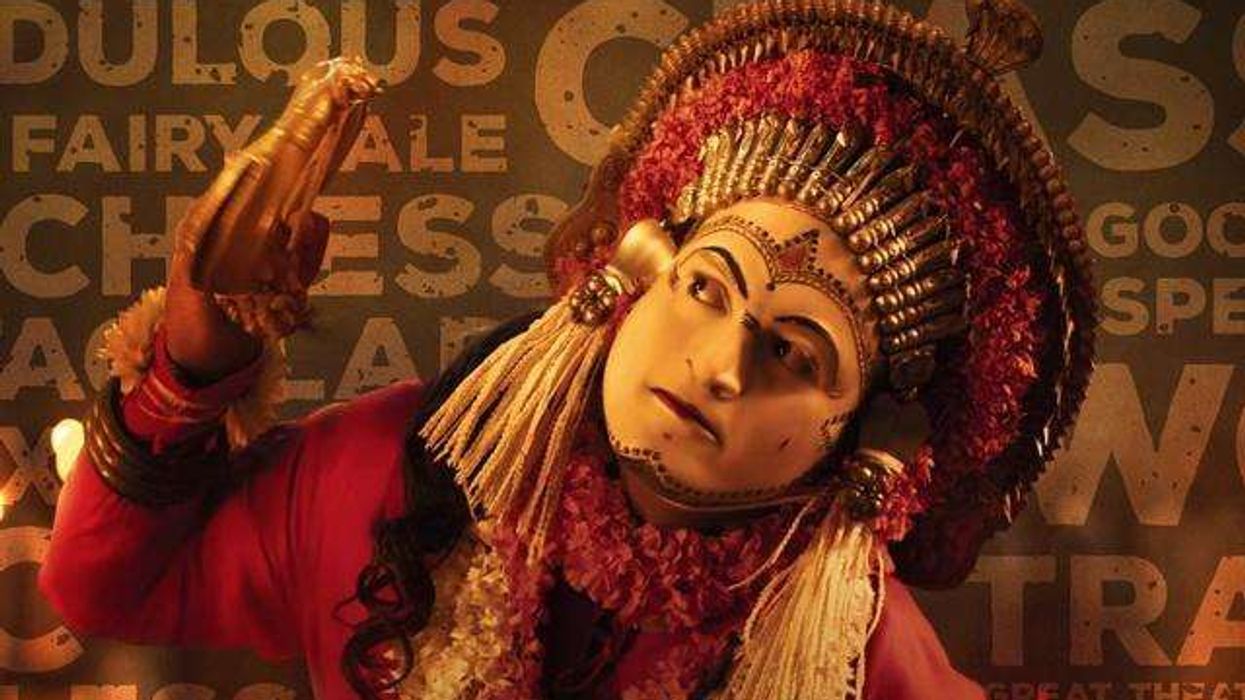
Kantara: Chapter 1, written, directed, and starring Rishab Shetty, is more than a regional blockbuster; it is a cinematic celebration of Tulu Nadu’s spiritual heritage. At its core, the film explores the legends of Panjurli Daiva, the protective boar spirit, and Guliga Daiva, the enforcer of justice. These deities have long been central to the coastal Karnataka communities, and Kantara brings their stories to life for audiences worldwide.
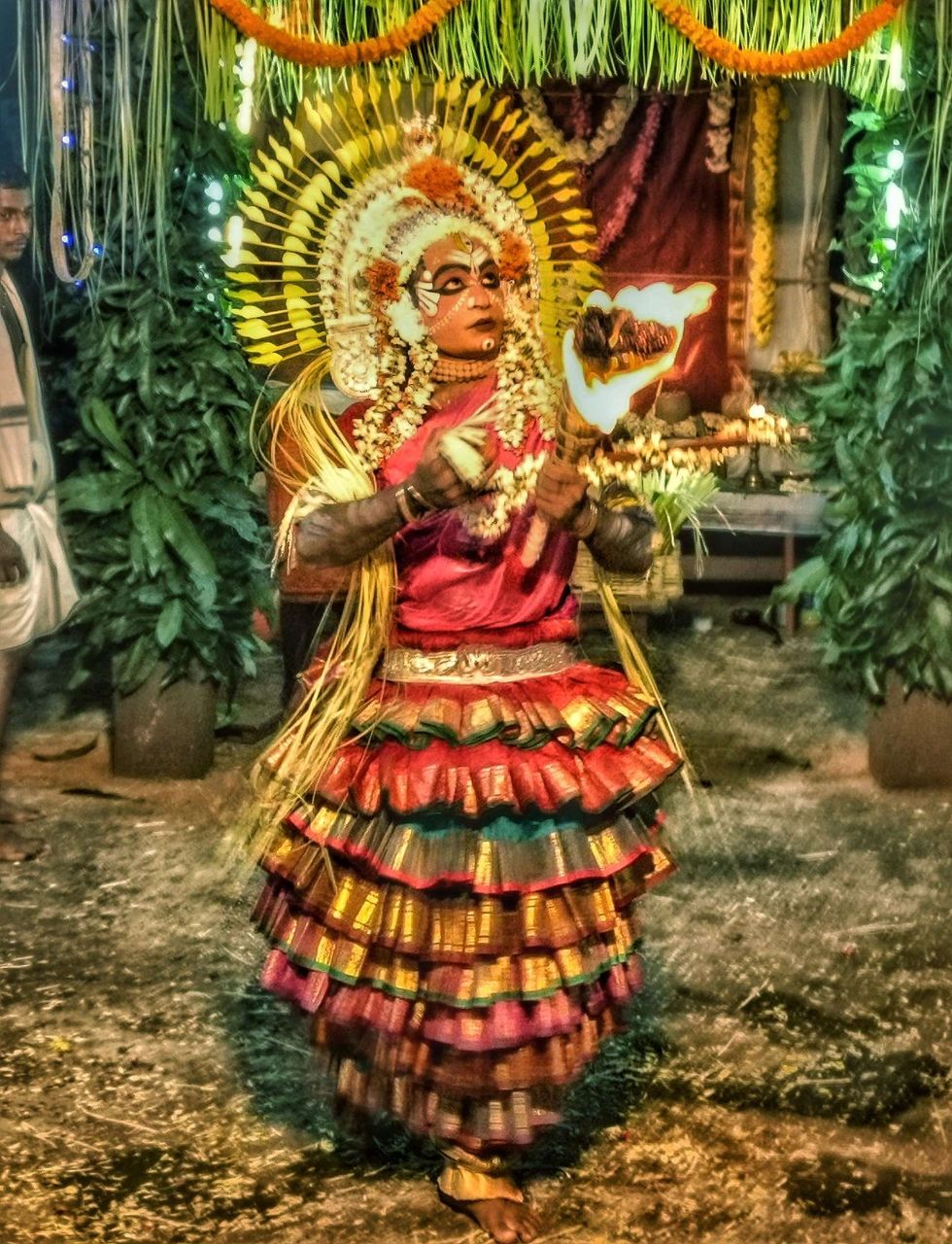 Kola is more than a ritual, it's a bridge btwn the spiritual & earthly realmsX/ Prajwal Bhat
The art and ritual behind Kantara
The film draws heavily on Bhoota Kola, a centuries-old ritual dance and divination practice. Performed in villages across Karnataka and parts of North Kerala, Bhoota Kola is both a spiritual and performative experience. Rituals span hours, featuring elaborate costumes, intense drumming, and the ceremonial mudi (headgear), which symbolises the deity entering the performer. Traditionally, participants consume madhyam (toddy) to suppress personal consciousness, allowing the deity to manifest fully.
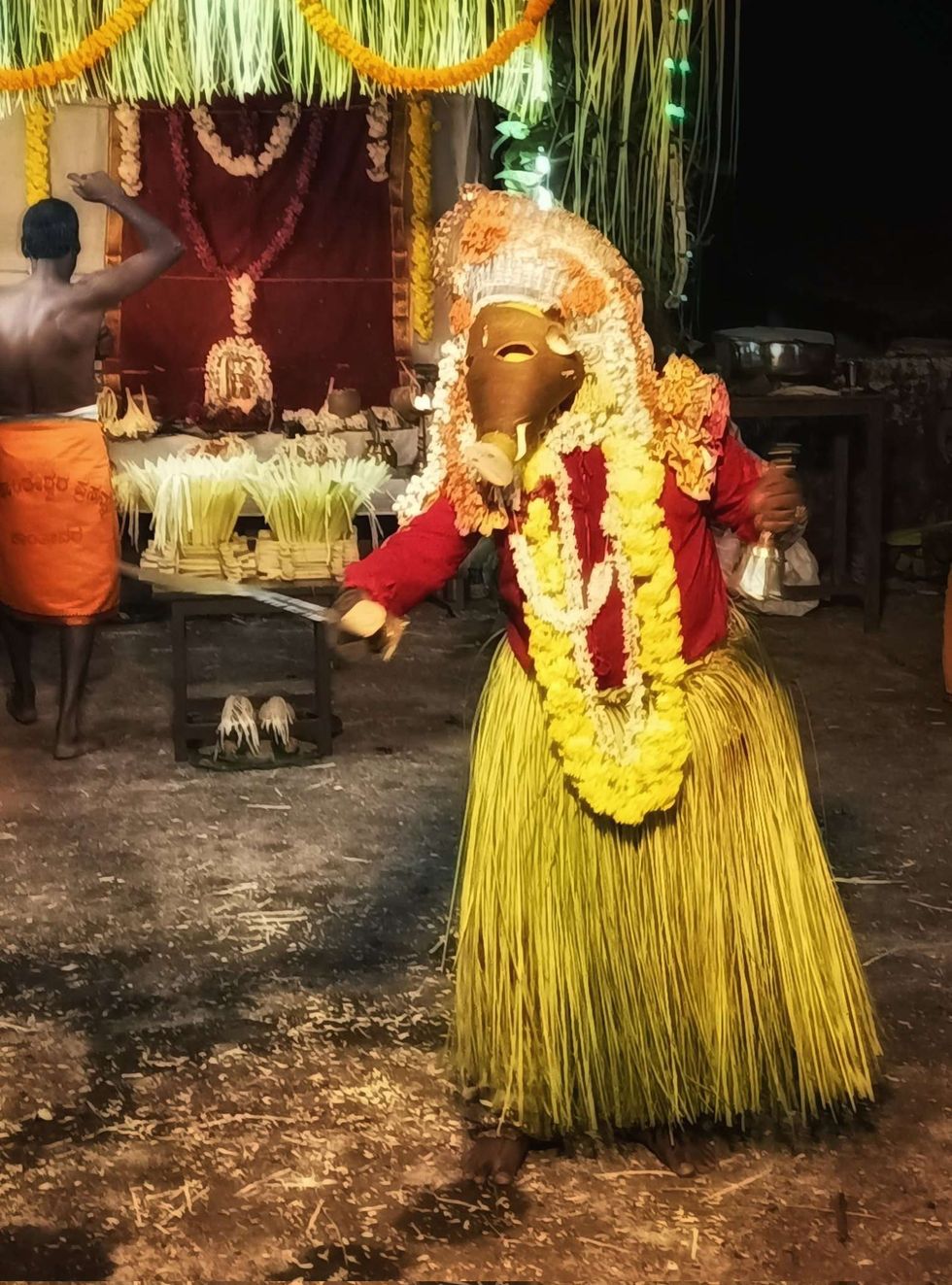 PanjurliX/ Prajwal Bhat
Kantara’s cinematography and art direction capture this intensity, translating a centuries-old folk ritual into a visually arresting and authentic cinematic experience.
Panjurli and Guliga: Gods of protection and justice
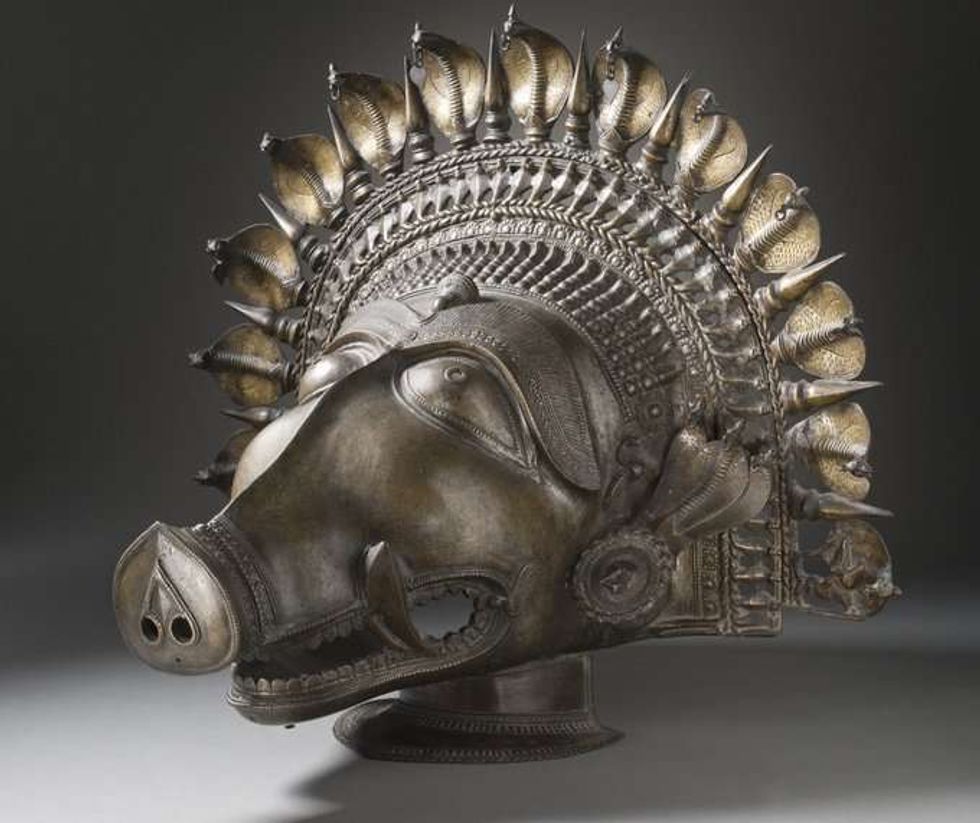
Panjurli Daiva embodies nature, fertility, and the protection of communities and crops. The boar spirit’s vibrant performances, rhythmic drumming, and elaborate headdresses make the rituals both mesmerizing and spiritually potent.
 PanjurliX/ Ranvijay Singh
Guliga Daiva, on the other hand, represents order and justice. Shrines dedicated to Guliga are simple yet powerful, often consisting of a single stone under a sacred tree. In Kantara, Guliga’s presence adds tension and stakes, reflecting the balance between protection and discipline in traditional Tulu Nadu communities.
Cinema as a cultural bridge
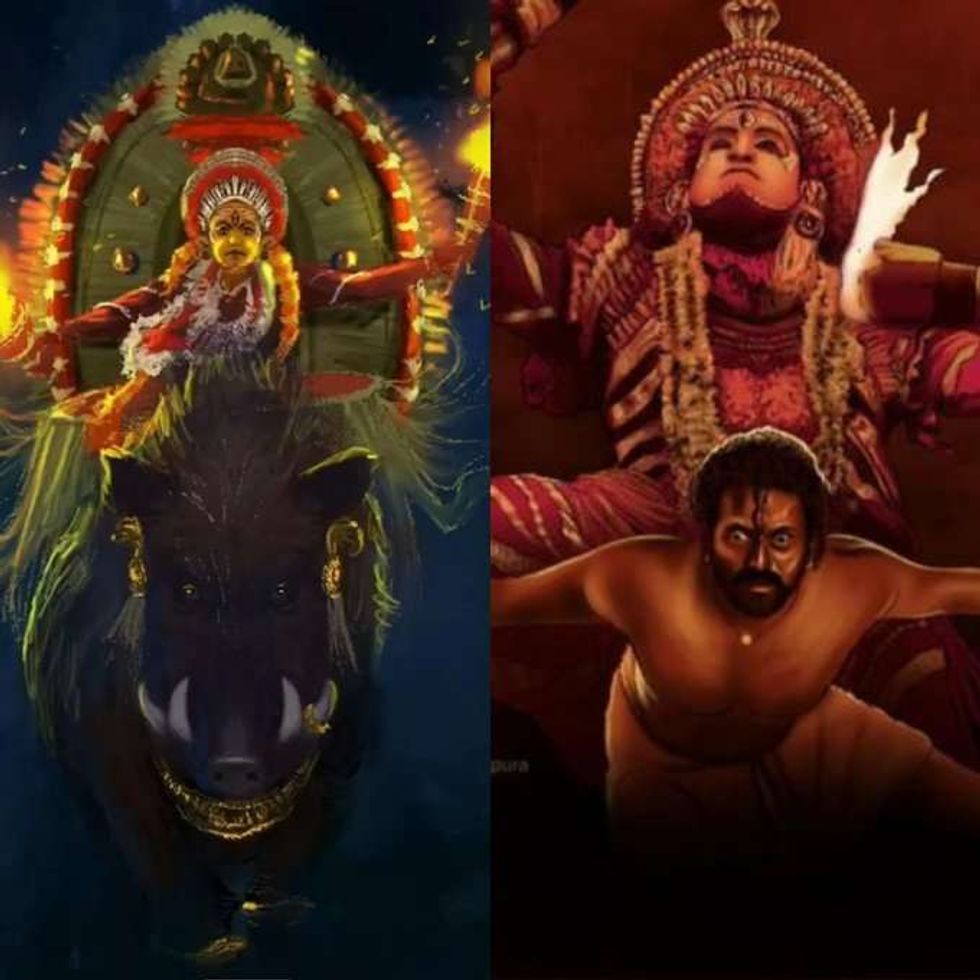 Kantara not only entertains but also educatesX/ Ranvijay Singh
Kantara has achieved global recognition, grossing over £28 million worldwide in its opening weekend. Its success demonstrates that regional myths, when presented with care and cinematic flair, can resonate across cultures. The film immerses viewers in a world where folklore, ritual, and everyday life intersect, showing that ancient stories still hold relevance today.
By combining mythology, folklore, and epic storytelling, Kantara not only entertains but also educates, preserving cultural heritage and introducing global audiences to Tulu Nadu’s living spiritual traditions.
The lasting impact
Kantara proves that cinema can be a bridge between ancient art forms and modern storytelling. The rituals of Bhoota Kola and the legends of Panjurli and Guliga are more than local folklore; they are a window into a community’s identity, faith, and history. By bringing these myths to the big screen, Rishab Shetty has ensured that these stories, and the culture they represent, will reach audiences far beyond Karnataka.