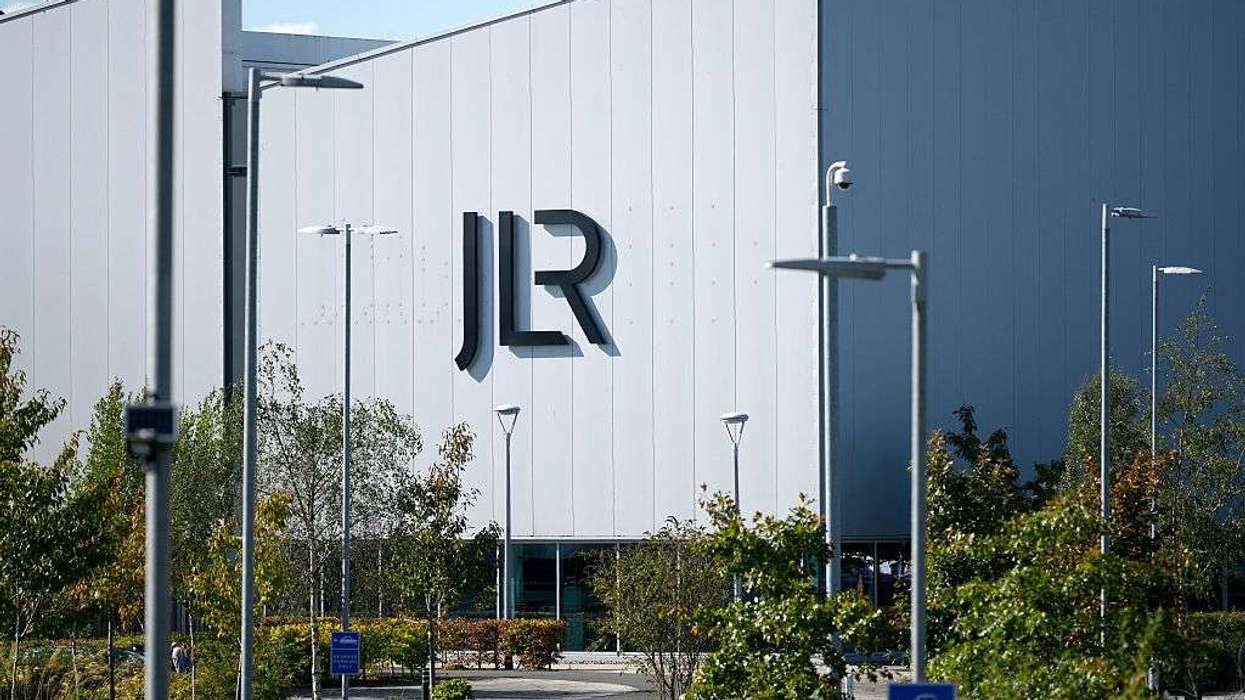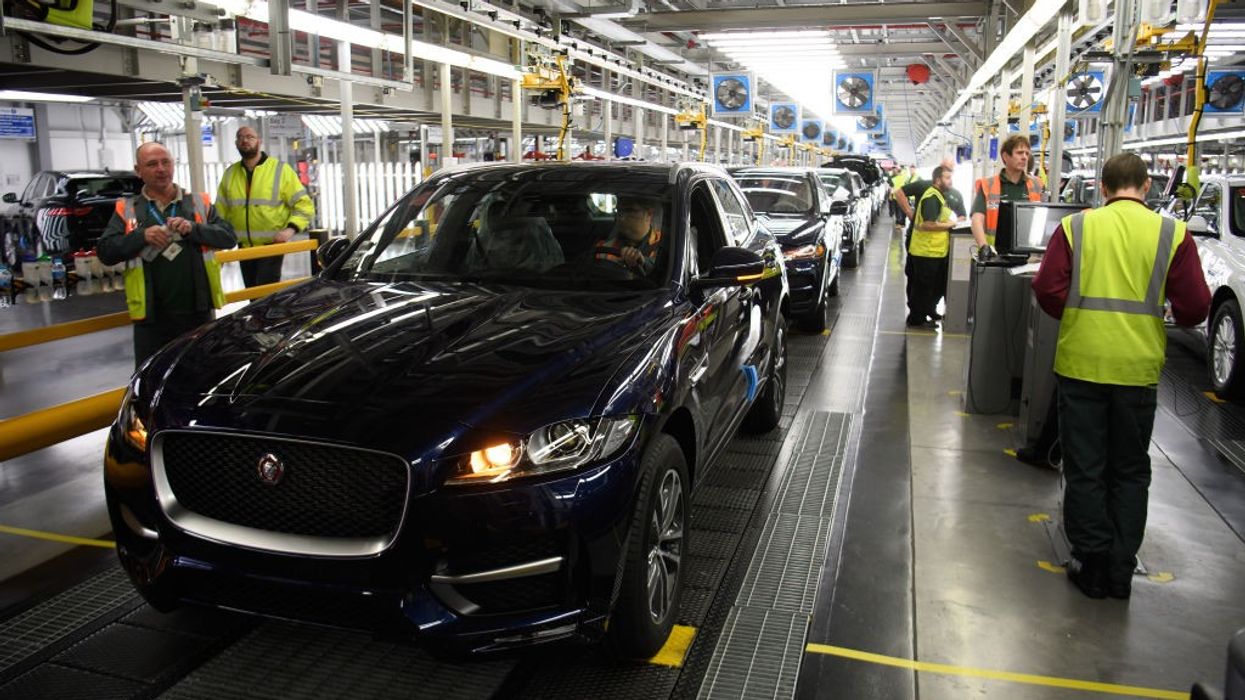

JAGUAR LAND ROVER (JLR) has announced 150 new job openings across its West Midlands factories, with 50 maintenance technicians to be hired at its Solihull site and 100 positions at its Wolverhampton facility.
These roles will support JLR's next generation of electric vehicles, contributing to the company's goal of achieving net zero across its supply chain, products and operations by 2039, reported the BBC. The Coventry-based car maker also aims to offer fully electric versions of all its brands by 2030.
Nigel Blenkinsop, JLR's executive director of industrial operations, stressed that investing in people and the latest technology is central to the company's strategy. "We're looking for talented technicians with a passion for sustainable innovation to help support our growth," he said.
As part of a £3 billion yearly investment, JLR will also be improving the electrification and digital skills of its 20,000-strong workforce.
Meanwhile, JLR has halted plans to build electric vehicles at parent company Tata Motors' upcoming £1bn factory in southern India. Sources familiar with the matter revealed that JLR struggled to find locally sourced EV parts with the right balance of price and quality.
"For India, all the work on JLR electric vehicles has stopped. Everything has been suspended since about two months ago," said one supplier source.
This change is expected to delay plans for Tata Passenger Electric Mobility to launch its premium Avinya models, which were to be built on the same platform as JLR's electric vehicles with some jointly sourced components, Reuters reported last week.
The original plans had called for JLR to manufacture more than 70,000 electric cars at the Indian factory, with Tata's EV unit building 25,000. Tata began construction of the new factory in September, which will still assemble other types of vehicles and is expected to produce over 250,000 cars yearly when operating at full capacity.
The company said that production timelines and model selection for the new Tamil Nadu plant will align with the company’s broader market strategy.
Tata, currently the biggest seller in India's growing EV market, faces increasing competition from rivals like JSW MG Motor and Mahindra and Mahindra. Additionally, Tesla is finalising plans to launch EVs in India, which is the world's third-largest car market with 4 million vehicles sold annually, though EVs currently account for only about two per cent of total car sales.