
Highlights
- Jeremy Clarkson confirms TB has been detected at Diddly Squat Farm in Oxfordshire
- The infected cow is reportedly pregnant with twins
- Infected or suspected cattle must be slaughtered under official regulations
- Bovine TB spreads between animals and can affect humans
- Oxfordshire is classed as a TB “edge area”, with recent local cases reported
- Government maintains commitment to ending badger culling before next election
Clarkson confirms farm infection on social media
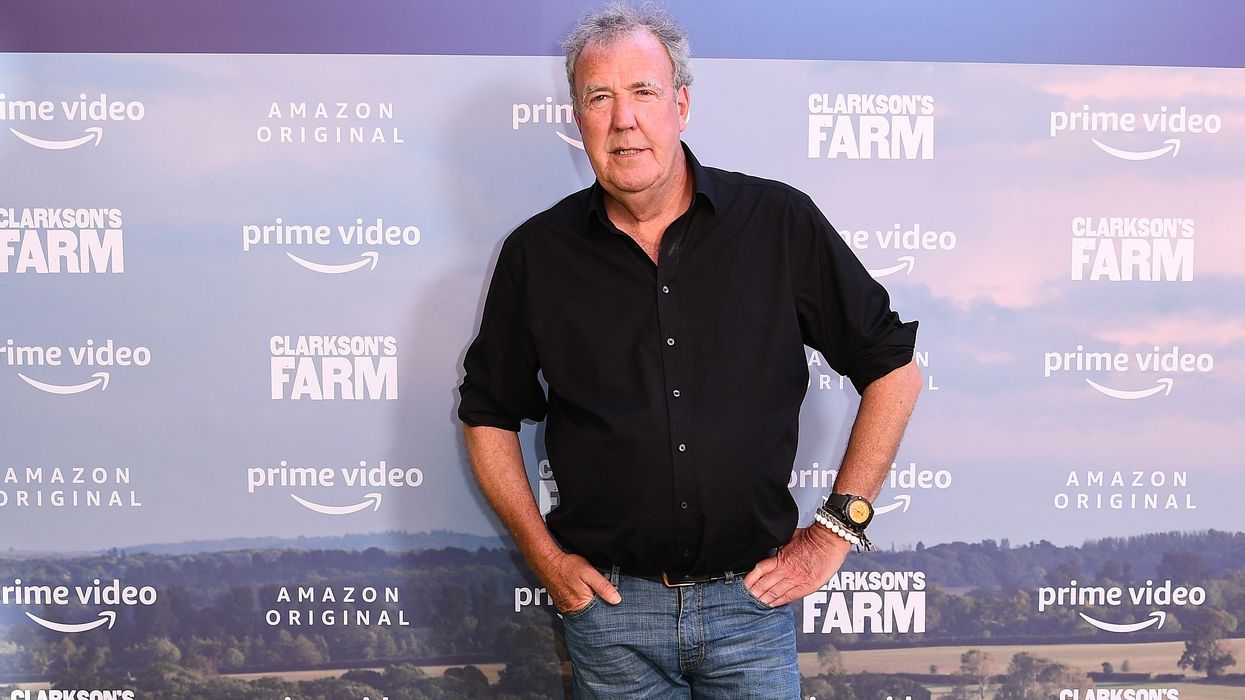
TV presenter and farming advocate Jeremy Clarkson has announced that his farm, Diddly Squat, in Chadlington, Oxfordshire, has tested positive for bovine tuberculosis (TB). Posting on X (formerly Twitter), the Clarkson’s Farm host said, “We’ve gone down with TB,” adding that everyone at the site is “absolutely devastated.”
Clarkson later revealed that one of the infected cows is pregnant with twins.
What is bovine TB and how does it spread?
Bovine tuberculosis is a chronic disease that affects cattle and other mammals, including humans. It is primarily a respiratory infection, passed on through nose-to-nose contact, as well as via saliva, faeces, urine, and milk.
Cattle typically become infected through close contact with other infected animals or their waste. The disease spreads both from cow to cow and from wildlife—particularly badgers—to cattle.
Legal and veterinary response to TB detection
Under UK regulations, cattle that test positive for TB, or those with inconclusive results across two consecutive tests, must be classed as “reactors.” These animals are isolated and then sent for compulsory slaughter to help prevent further spread of the disease.
The emotional and financial impact of TB outbreaks is significant, particularly for small or independent farms such as Clarkson’s.
Oxfordshire among regions at risk
Diddly Squat Farm lies within an officially designated “edge area” for bovine TB—regions that act as buffer zones between high-risk and low-risk areas. In such areas, herds are typically tested for TB every six months by default.
According to the ibTB mapping platform, which monitors TB cases across England and Wales, several recent outbreaks have been recorded near the Chadlington area.
Badger culling and the Government's stance
Badger culling has long been a controversial part of the Government’s approach to controlling bovine TB. While many farmers support the measure as a necessary biosecurity step, wildlife and animal welfare groups have consistently criticised the policy.
Last month, the Government confirmed it would not extend the cull and reiterated its intention to phase out badger culling entirely before the next general election.