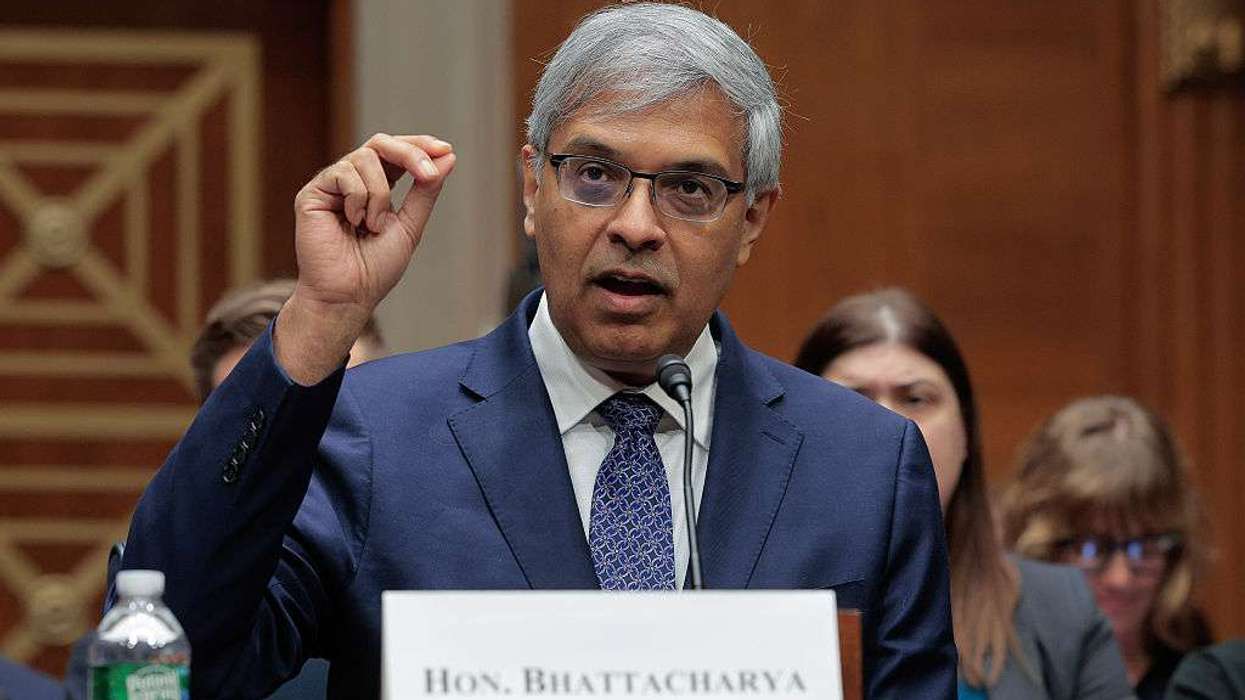

US National Institutes of Health director Jay Bhattacharya will step in as acting director of the Centers for Disease Control and Prevention, a Trump administration official said on Wednesday (18), part of a broader shakeup within the health department ahead of midterm elections.
Health and Human Services deputy security Jim O'Neill, who has been serving as acting CDC director since August, will vacate both roles as part of a leadership restructuring within the department, the official added. O'Neill will be offered the position of National Science Foundation director.
Bhattacharya's appointment was first reported by The New York Times on Wednesday, while Politico reported O'Neill's departure last Friday (13).
Bhattacharya, a Stanford University professor who gained prominence as a leading critic of lockdowns and widespread Covid-19 restrictions, already leads the nation's premier medical research agency, based in Maryland, where he oversees a nearly $50 billion budget and funding for thousands of scientific projects.
He is now tasked with also leading the Atlanta-based CDC, which tracks and responds to domestic and foreign threats to public health. Roughly two-thirds of its budget provides funds to the public health and prevention activities of state and local health agencies.
"The notion that the current director of the NIH can take on the mantle of another federal agency in his spare time is hard to understand," said Dan Jernigan, who resigned as director of the CDC's National Center for Emerging and Zoonotic Infectious Diseases in August.
The NIH and the CDC, both of which require full time attention, are in different cities, said Deb Houry, former chief medical officer at CDC.
"This puts our nation at greater risk for not being able to respond to health threats and outbreaks," she said.
The CDC has faced significant instability, including budget cuts, staff reductions, and controversies under Secretary of Health and Human Services Robert F. Kennedy Jr., a longtime anti-vaccine activist.
President Donald Trump fired then-CDC director Susan Monarez in August after she resisted changes to vaccine policy advanced by Kennedy that she believed contradicted scientific evidence, further destabilising the already embattled agency.
Her dismissal triggered the resignations of four senior CDC officials, including Houry and Jernigan, who cited anti-vaccine policies and misinformation pushed by Kennedy.
Under O'Neill's tenure, the CDC eliminated long-standing vaccine guidance for children in January and approved an advisory panel's recommendation against early use of a combined measles-mumps-rubella-varicella vaccine in October.
The advisory panel had been gutted then restaffed by Kennedy with handpicked, vocal vaccine opponents.
Per federal law, Bhattacharya can serve as acting CDC director only until late March unless Trump nominates a full-time nominee to the US Senate.
The law requires Trump to nominate a replacement within 210 days of Monarez's firing, which took place in late August, and changing the acting director does not restart the clock.
The 210-day limit is paused, however, as long as a nomination is pending in the Senate, allowing Bhattacharya or another acting director to remain while the confirmation process unfolds.
Kennedy announced wider changes to his team on Thursday (19), including the elevation of Chris Klomp as chief counselor at HHS tasked to oversee all operations of the department.
Klomp currently serves as deputy administrator of the Centers for Medicare and Medicaid Services as well as director of Medicare. Kennedy said he would retain his roles at CMS.
Kennedy also announced that Kyle Diamantas and Grace Graham will serve as senior counselors for the Food and Drug Administration and John Brooks as senior counselor for CMS.
The new HHS roles are meant to increase communication between the department and the White House ahead of the 2026 midterm election, an administration official explained.
White House officials, Cabinet secretaries, and Republican campaign operatives met in Washington on Tuesday (17) for a briefing on the party's midterm campaign, according to a person who attended.
Republicans plan to focus, in part, on healthcare insurance costs, prescription drug affordability, and by having Kennedy focus on access to healthy food.
(Reuters)


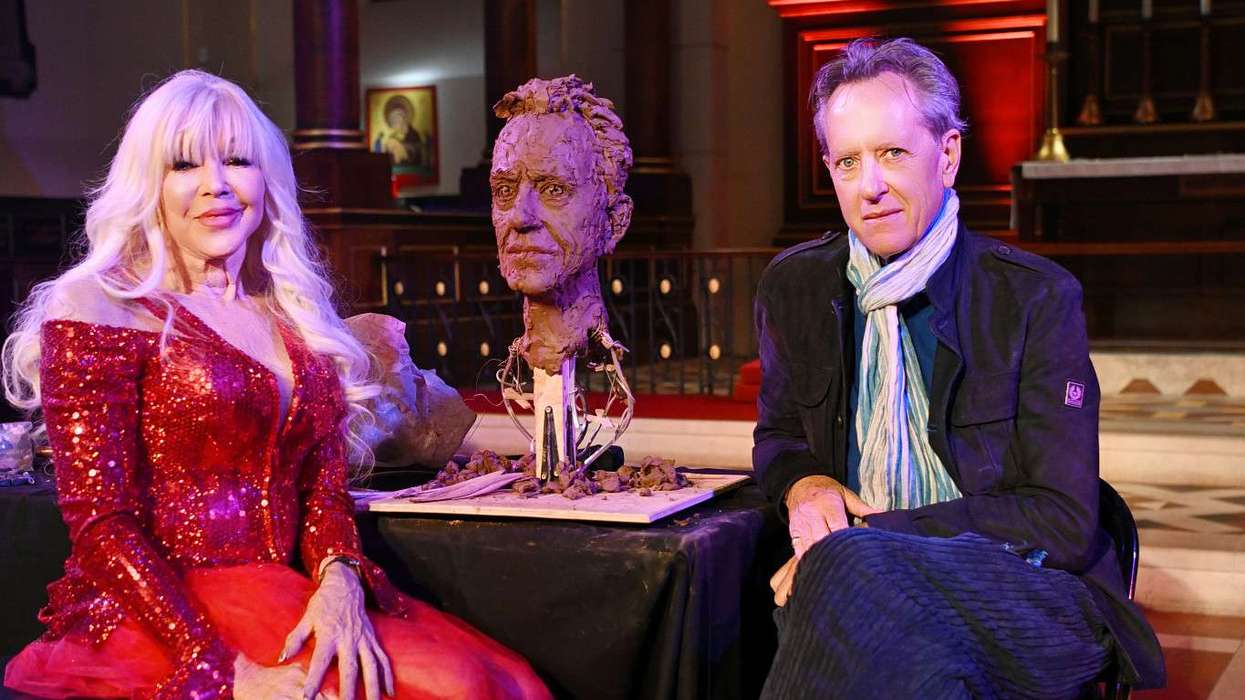
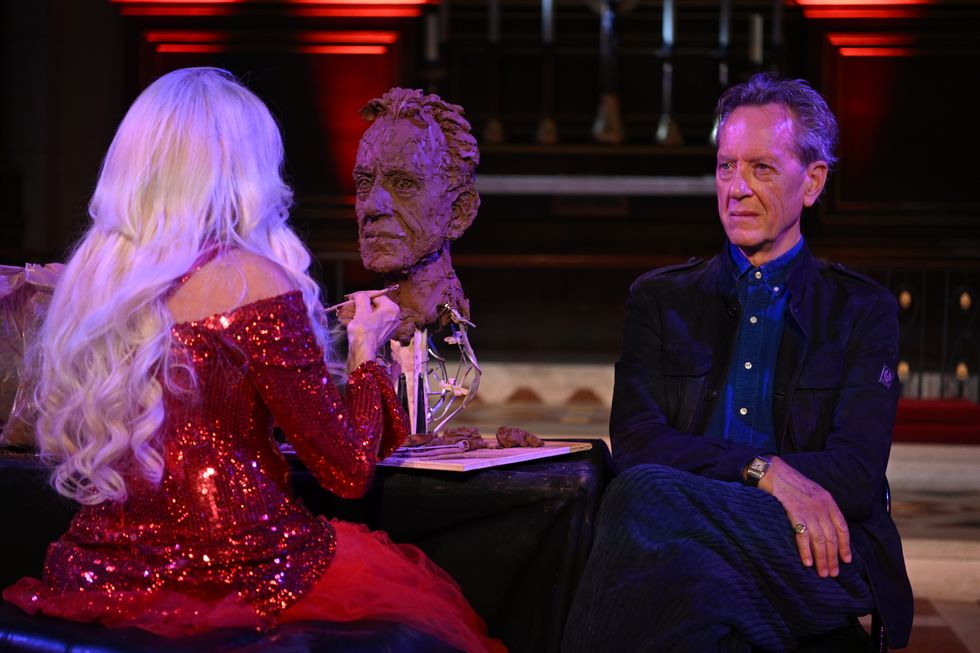 Frances Segelman makes bust of Richard E GrantSophie Dunne
  Frances Segelman with maquette of Mulayam Singh Yadav Sophie Dunne
 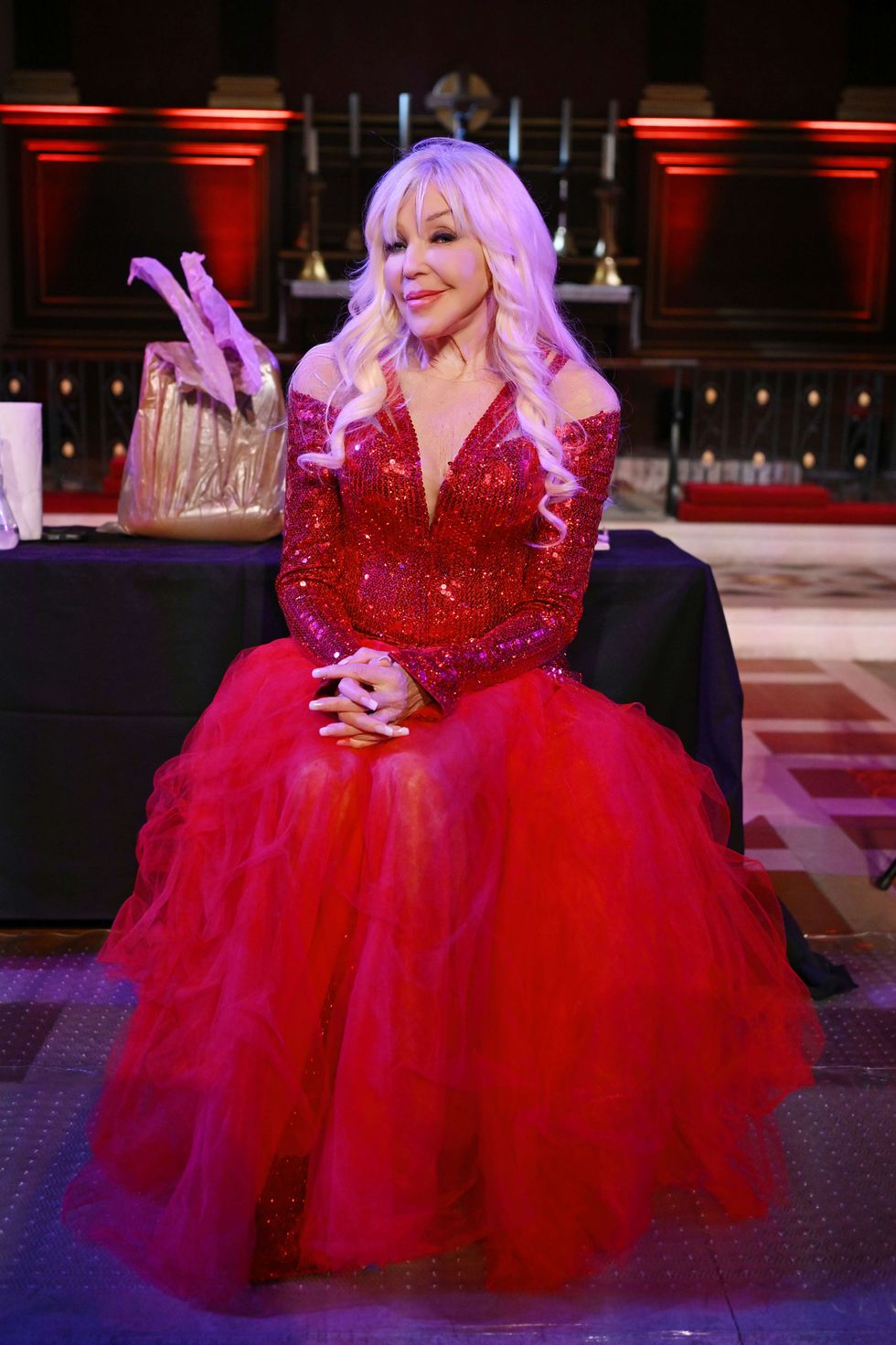 Frances Segelman was dressed by KruszynskaSophie Dunne
  Frances Segelman live sculpting Richard E Grant in Actors' Church in Covent Garden.Sophie Dunne