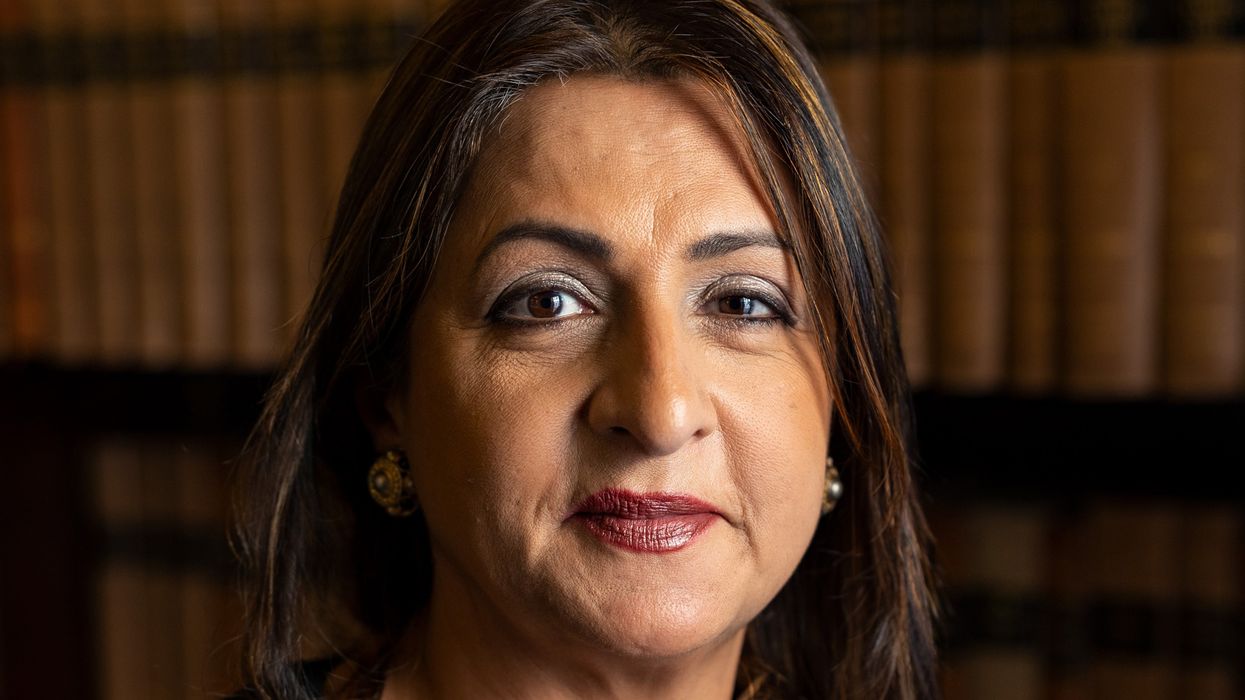

THE family-centric dynamic of honour-based abuse creates “emotional and practical barriers” that can prevent victims from seeking justice, the national lead for the Crown Prosecution Service (CPS) has said.
In an interview with Eastern Eye, Jaswant Narwal explained how the CPS has developed robust mechanisms to support victims throughout the prosecution process. This includes working closely with specialist charities and implementing protective measures to help victims navigate the court system while maintaining their safety and dignity.
She has identified three primary challenges that the CPS must navigate when pursuing these cases.
She said, “The first centres on the devastating choice victims face between seeking justice and maintaining their family connections. The prospect of giving evidence against close relatives often means victims must choose between prosecution and losing everything familiar in their lives – their home, family support, and community bonds. The second challenge involves widespread underreporting, driven not only by family loyalties but also by victims’ lack of understanding about the legal process and available support. Finally, and perhaps most troubling, is the issue of victims who don’t recognise themselves as victims at all, having normalised abusive behaviours within their family and community environments.”
Over the past five years, police forces in England and Wales recorded more than 12,100 honour-based abuse offences. This umbrella term covers domestic or sexual abuse, forced marriage, and female genital mutilation (FGM) – crimes often carried out by victims’ families, relatives, or community members in the name of izzat (honour).
Narwal stressed that the so-called honour-based abuse must be treated as a serious crime and not hidden behind culture or religion. She highlighted how some educated professionals continue to defend such practices but made it clear that the law takes precedence.
“If you assault, abuse or kill someone in the name of honour, it is an offence. It’s as simple as that,” she said. Narwal described honour-based abuse as encompassing a range of crimes, including false imprisonment, rape, coercive control, and financial abuse. “We hear justifications like, ‘they became too westernised,’ or ‘we’re protecting family honour,’ but it’s ultimately about control.”
She warned against allowing perpetrators to hide behind traditions. “It violates human rights. We must challenge this cloak of tradition,” she added. The CPS flags these cases and prosecutes them as honour-based abuse. Judges are expected to consider such factors as aggravating when passing sentences.
There is also growing concern over younger male perpetrators. “It’s bizarre that second and third generation young men are repeating harmful behaviours,” Narwal said. She pointed out this stems from false ideas of loyalty to family and a duty to protect community reputation.
To tackle this, the CPS is raising awareness, encouraging more victims to come forward, and pushing for wider discussion. A recent conference with the Home Office and National Police Chiefs Council brought together stakeholders to share concerns and strategies. “It was the first time we brought everyone together,” she noted, adding that the government’s broader policy to end violence against women and girls within 10 years includes a focus on underreported honour-based crimes.
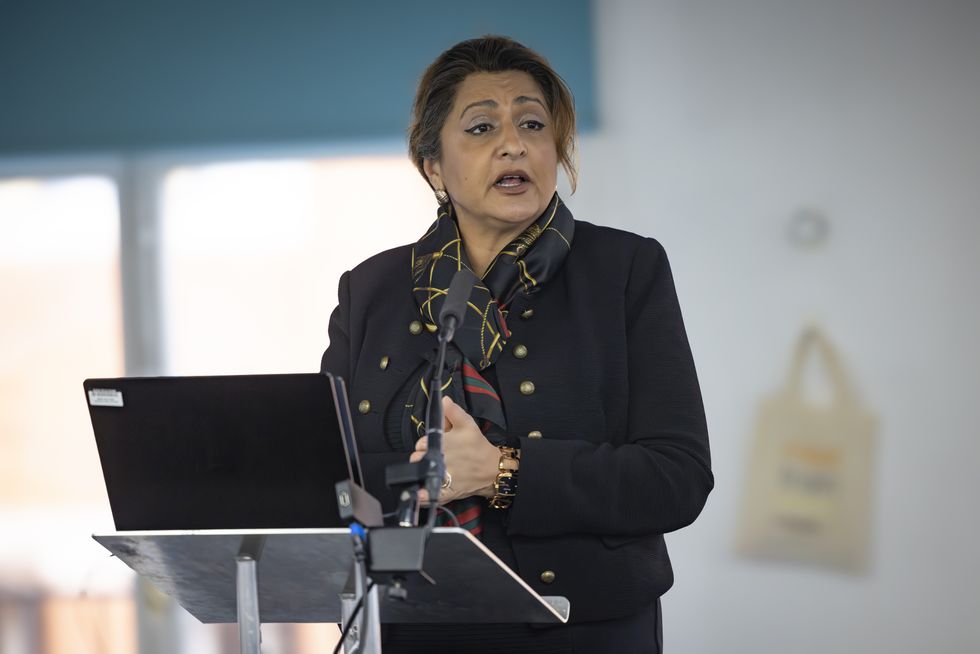 Jaswant Narwal www.easterneye.biz
Narwal also underlined the need for a statutory definition of honour-based abuse. “It would improve consistency in data collection, help investigators, and strengthen prosecutions,” she said. The CPS has already contributed to consultations on the matter, and Narwal expressed hope the Home Office would act soon.
Addressing victims directly, Narwal urged them not to stay silent. “Report it. We are here to support you,” she said. She acknowledged the pressure many face from their families and communities, but stressed that protection and justice are available. “We can apply for protective orders, and we’ve had successful prosecutions even without the victim giving evidence in court.”
She shared examples where male victims were forced into marriages to hide their sexuality or where men faced abuse for supporting a female victim. “The concept of masculinity and shame stops male victims from speaking up. But we are here for them too,” she said.
The CPS is also active in community engagement. Narwal and her team give talks in schools, universities, and refuges, and run scrutiny panels that include community members.
Specialist CPS leads are based across England and Wales to share best practice and ensure justice for victims.
As a role model, Narwal had a clear message for young south Asian women considering careers in law or public service: “Believe in yourself. Build networks. Don’t give up.”
She shared how she originally wanted to be a police officer but ended up in law. “I didn’t come from an established background, but I made it. You can too.