
Highlights
- Around 300 management and support roles to go
- Production line workers will not be affected
- Cyber attack halted production for five weeks and sharply reduced profits
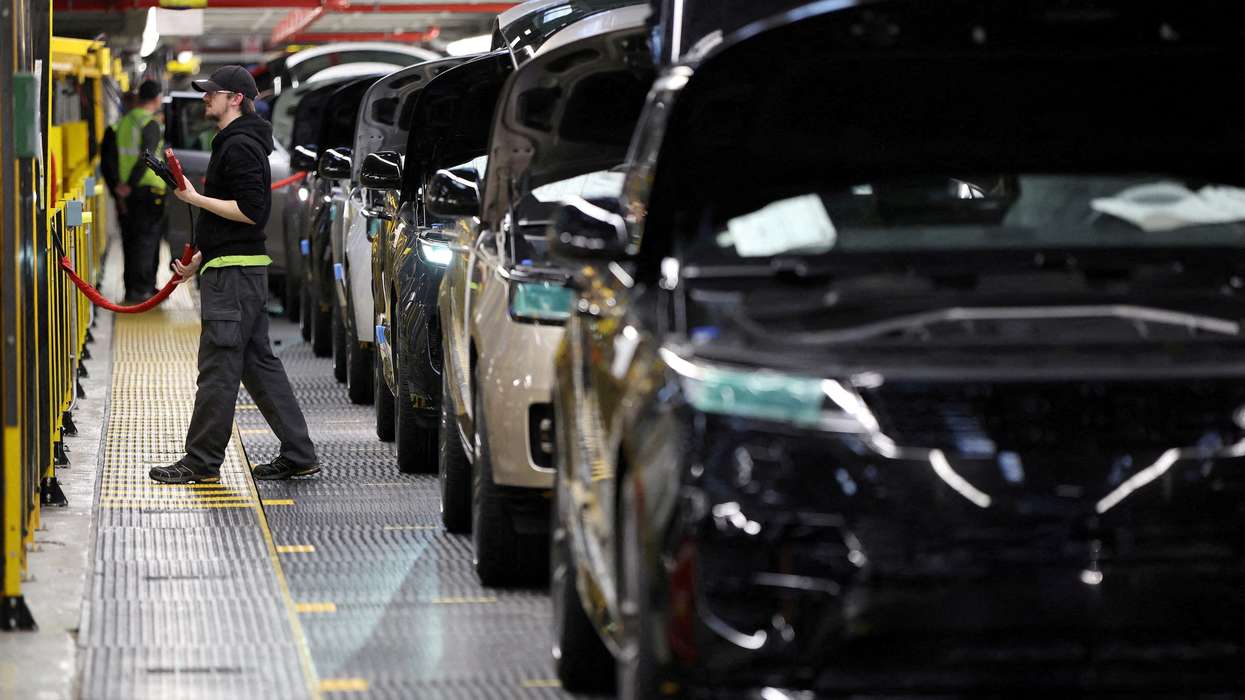
JAGUAR LAND ROVER will cut around 300 jobs as part of a restructuring programme launched after last year's cyber attack, which disrupted production and weighed heavily on its financial performance.
The luxury carmaker said the reductions would mainly affect management and support staff. Employees impacted by the changes will be offered alternative roles where possible or the option of voluntary redundancy, the Telegraph reported. Factory production workers will not be affected.
The move follows the company's plan to reduce costs by £1.7 billion after the cyber attack in September last year forced production to stop for five weeks, affecting vehicle output and sales.
A company spokesperson said the business was changing its operating model to support the growth of its vehicle brands and prepare for its next generation of cars.
"As we evolve our operating model to accelerate the growth of our house of brands and deliver our next-generation vehicles, we are transforming our business to improve decision-making and performance," the spokesperson said.
The spokesperson added: "As part of our ongoing transformation initiatives, we have launched a limited redeployment and displacement programme."
India's Tata Group-owned firm did not say which sites would be affected. The company employs about 30,000 people in the UK and around 10,000 overseas. Its UK manufacturing facilities include Solihull, Wolverhampton and Halewood, alongside operations in Slovakia.
The restructuring is one of the first major decisions under chief executive PB Balaji, who took over the role last year. The company has said it is focused on recovering from the cyber attack while preparing to launch the electric Range Rover and a new generation of Jaguar electric vehicles.
Profit before tax fell to £14 million from £2.5 billion a year earlier after production was interrupted and sales were affected due to the cyber attack.
JLR has also faced pressure from higher tariffs in the United States, which have increased the cost of its vehicles in that market.
According to reports, the company is reshaping its product range after ending production of its existing Jaguar models ahead of a fully electric line-up, including the Type 00 concept that attracted widespread attention following the release of promotional images.
The Jaguar Type 00 is a concept electric 2-door coupe officially revealed by Jaguar at Miami Art Week in December 2024.